
Bipartisan agreement. Lower costs for patients. Saving money for taxpayers.
While it may be hard to believe, there is one issue in Washington that meets the above criteria: fixing the 340B program.
Under 340B, eligible hospitals and clinics can purchase medicines at prices that can be as low as a penny. Tax-exempt hospitals are exploiting the program by marking up medicines by as much as thousands of dollars, charging patients and their insurers the marked-up price, and pocketing the difference. The program now provides a nearly $65 billion oversight-free revenue stream for hospitals, clinics and their for-profit partners. In fact, a recent report revealed how hospitals and clinics in Minnesota, along with their for-profit partners, generated at least $1.34 billion in profit from the 340B program in 2024 – and that’s just one state.
Instead of bringing costs down for patients, the 340B program has become a hospital markup program that is driving up costs for patients, taxpayers, states and the federal government. And while the program and its failings are complex, one problem rises to the top: there are no guardrails on how much hospitals can mark up 340B drugs and no requirement that hospitals and clinics pass savings on 340B drugs on to their patients.
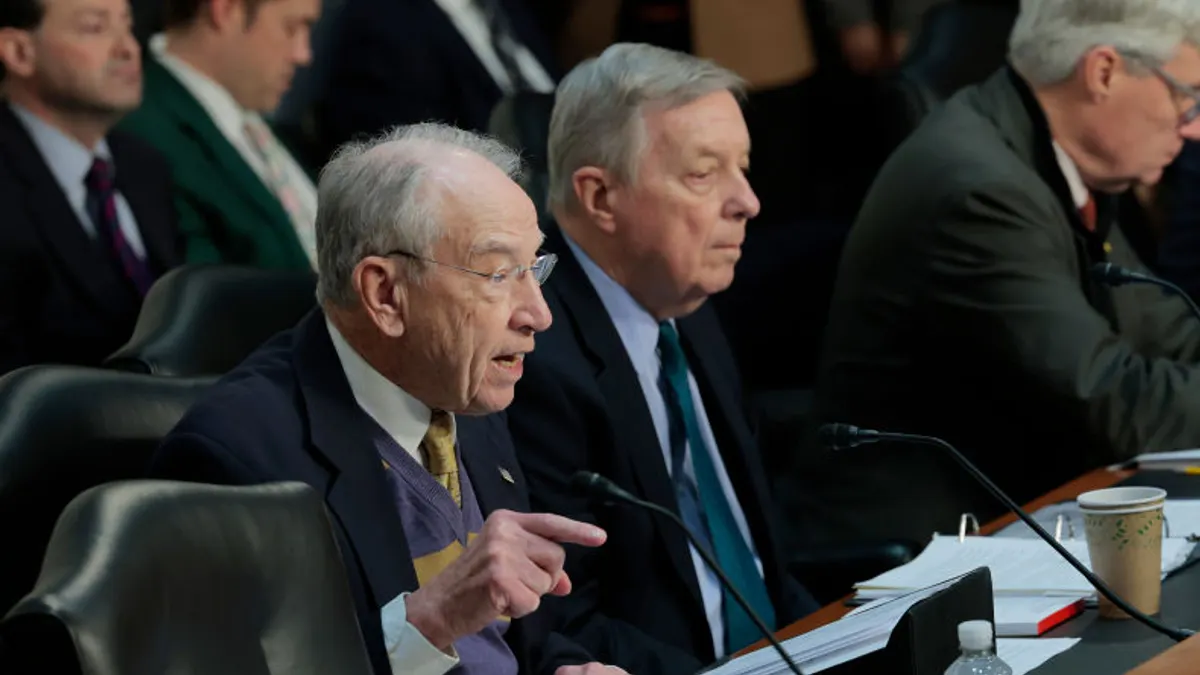
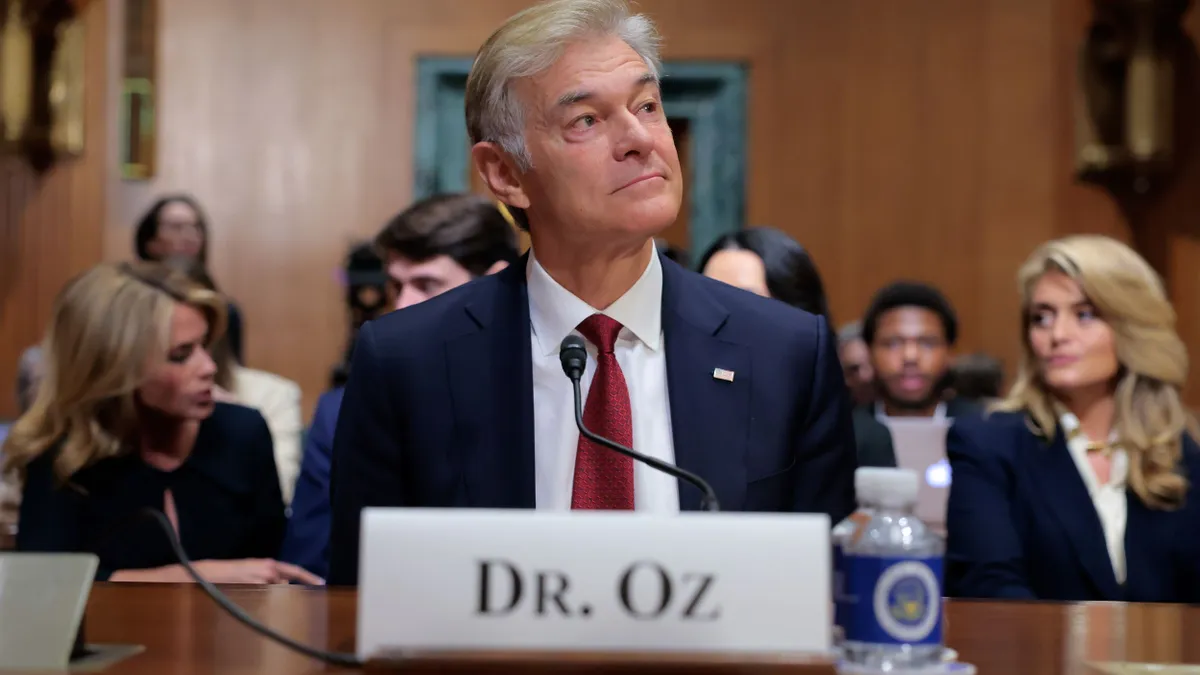
The growing need for Washington to fix the program is something both parties and both legislative houses have acknowledged. In October 2025, the Senate Health, Education, Labor and Pensions committee met to discuss concerns over the program's growth and lack of patient benefit. Members on both sides of the aisle mentioned the lack of program oversight and concerns over how hospitals can exploit program profits without requirements that patients benefit.
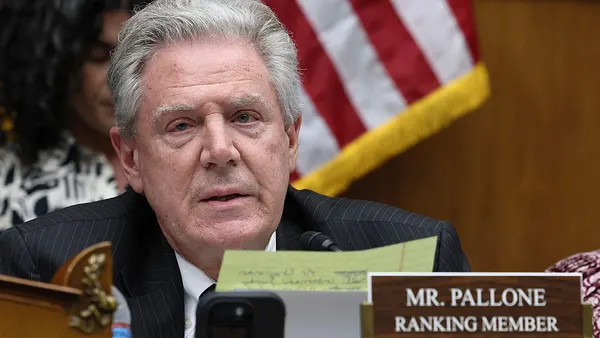
In March, the House Energy and Commerce Committee held a hearing examining the role providers and hospitals play in rising health care costs. At the hearing, multiple Members of Congress raised concerns over how the 340B program is driving up costs and is in need of federal reform.
Congress should build on this momentum and implement stronger, common-sense accountability measures for the program in order to rein in the hospital abuse that is driving up costs and ensure that low-income patients actually benefit. In an increasingly divided Washington, lawmakers need to prioritize this bipartisan issue to lower costs for patients.
If policymakers are serious about improving patient affordability of prescription medicines, they must address the 340B program.