Dive Brief:
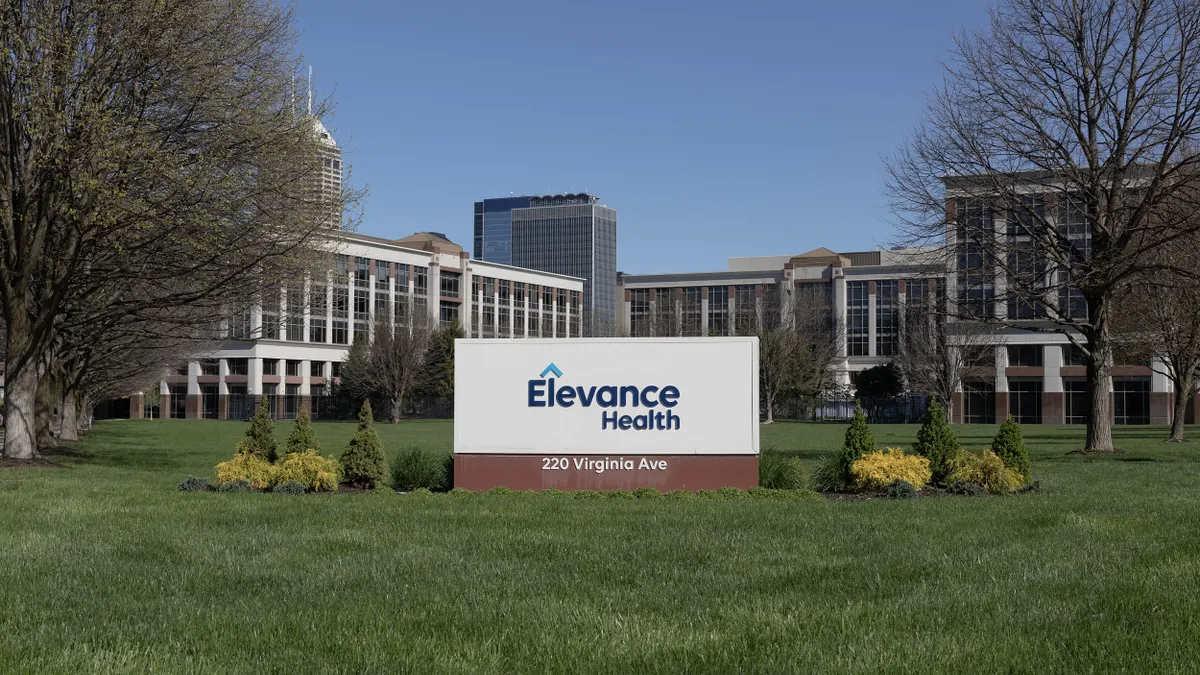
- A federal judge has tossed an Elevance subsidiary’s lawsuit against billing intermediary HaloMD and several California-based providers alleging they’re abusing the out-of-network billing dispute process set up by the No Surprises Act.
- Judge Karen Scott of the Central District of California dismissed the suit on Monday, finding that Anthem Blue Cross, Elevance’s California subsidiary, failed to prove that the companies were gaming the law’s independent dispute resolution, or IDR, in order to inflate their reimbursement.
- It’s a major win for HaloMD, which is facing similar lawsuits from Elevance in three other states and has found itself in hot water over its status as the No. 1 submitter of IDR disputes. The Texas-based company cheered the court’s decision, while Elevance said it plans to appeal.
Dive Insight:
Ever since the No Surprises Act was passed in 2020 to prevent consumers from being hit with unexpected out-of-network bills, insurers and providers have been fighting over IDR, the process regulators created to settle disputes over payment.
Insurers argue that certain providers are exploiting IDR to secure higher reimbursement than they’d normally receive for a medical service or treatment, pointing to how a small number of medical groups have swamped the process with a high volume of disputes.
Meanwhile, providers say that IDR is an avenue for them to be paid fairly, above the insufficient amounts that insurers usually divvy out.
Against this contentious backdrop, a handful of Elevance subsidiaries filed lawsuits last year against providers that Elevance said were bilking millions of dollars from the insurer by flooding IDR with thousands of ineligible requests for payment.
Lawsuits in Texas, Georgia and Ohio are ongoing. But Monday’s update from the Golden State may not fare well for the insurer’s other litigation.
Anthem Blue Cross filed the California lawsuit against HaloMD and the providers in July 2025, asking the court to retroactively nullify the providers’ IDR awards and prevent the alleged scheme moving forward.
But Scott was unconvinced, writing in an order on Monday that Elevance failed to present convincing evidence that the defendants had willfully committed fraud or disregarded the law.
Scott’s ruling also threw cold water on insurers’ ability to turn to the courts to contest IDR determinations. Elevance — and, by extension, other insurers — are able to try to convince surprise billing arbiters that providers’ disputes are ineligible during the IDR process itself, so the courts shouldn’t have to weigh in on the matter, the judge noted.
Elevance intends to appeal the decision, a spokesperson told Healthcare Dive.
“We strongly disagree with the court’s ruling, which was based on a procedural issue and did not address most of our arguments. We believe it misinterprets the No Surprises Act and improperly limits judicial review, and we intend to appeal with confidence in our position,” the spokesperson said over email.
They did not comment on how other ongoing litigation might be impacted by the ruling.
HaloMD cheered the news in a press release after Scott’s decision. “Anthem’s brazen attempt to weaponize the federal courts and undo an arbitration process it simply doesn't like has been rejected in the clearest possible terms,” Chief External Affairs Officer Patrick Velliky said in a statement.
HaloMD was formed in 2022 to help providers submit and win surprise billing contests. The firm has grown quickly since, and now initiates more IDR disputes than any other company, according to government data.
HaloMD’s founders, Alla and Scott LaRoque, have enjoyed a lavish lifestyle on the back of the company’s work, according to a recent investigation from Stat News.
Other providers named in Elevance’s California suit are MPOWERHealth Practice Management — a musculoskeletal practice management company also founded and led by the LaRoques — and four neurology providers affiliated with MPOWERHealth and the LaRoques.