The Trump administration has finalized a long-awaited overhaul of the system used to settle out-of-network billing disputes between insurers and providers, amid growing criticism that the process is inefficient and susceptible to gaming.
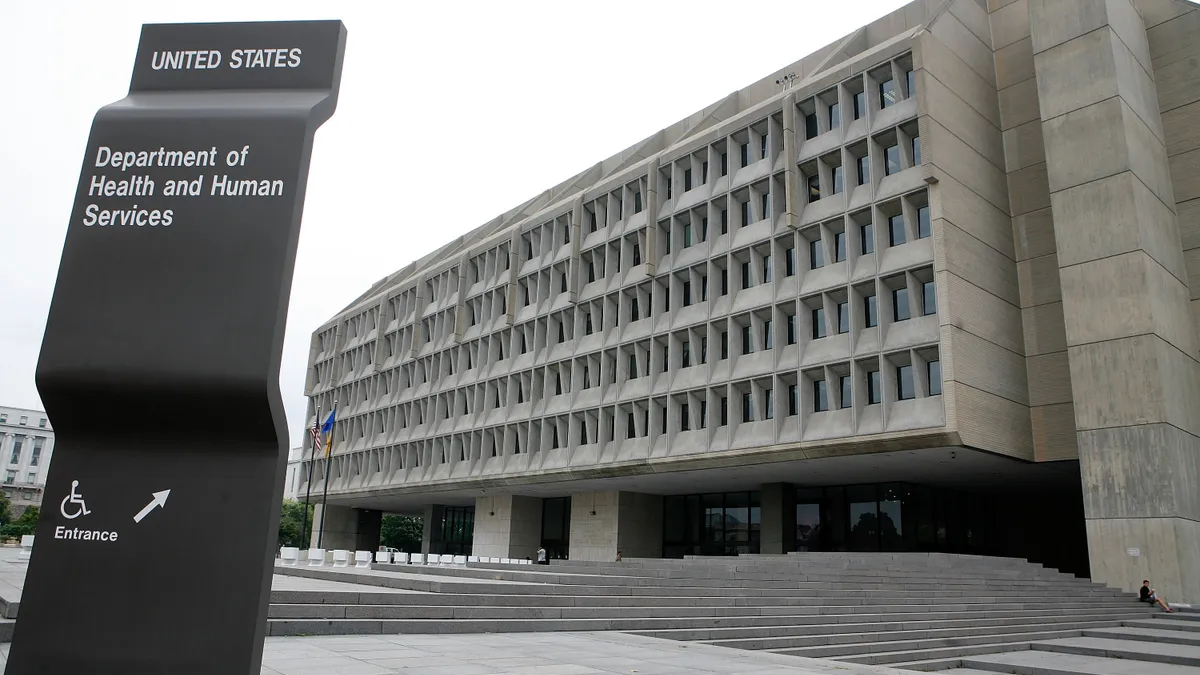
The rule finalized by the HHS and the Labor and Treasury Departments on Thursday is meant to make dispute resolution more streamlined and lower costs for participating companies, regulators said.
It’s also aimed at reducing ineligible claims for payment, which have contributed to snowballing disputes and spurred calls for reform from insurers.
“These final rules seek to maximize benefits to providers, plans, and issuers and to reduce burdens on certified IDR entities,” the departments wrote in the regulation, which has languished under regulatory review since being proposed in 2023 — despite calls from industry stakeholders for a quick publication.
The rule makes it easier to combine multiple claims into one dispute, standardizes stakeholder communication during arbitration and lowers filing fees. It also sketches out plans for a new centralized platform for managing disputes, which will launch in phases starting this year.
Providers and insurers alike generally support the reforms, saying they should ameliorate key issues in the dispute resolution process. Still, a major payer lobby argued the final rule doesn’t do enough to restrict provider profiteering over surprise bills.
The rule “makes meaningful progress,” but “we encourage leaders to use this positive momentum to take additional actions — focusing on solutions to stem the flood of ineligible claims into arbitration and awards that often far exceed what providers typically receive for a service,” David Merritt, the Blue Cross Blue Shield Association’s senior vice president of external affairs, said in a statement.
Angst over IDR
The No Surprises Act has protected millions of Americans from being hit with unexpected out-of-network medical bills since 2022. But the law has not proved a panacea for high healthcare costs.
Instead of preventing exorbitant payouts to providers that elect to remain out of network with insurers, No Surprises has instead created a burgeoning cottage industry where providers can reap major payouts through the law’s dispute resolution process, critics say.
Under that process, called independent dispute resolution or IDR, insurers and providers both file what they believe is a fair reimbursement for a service rendered to a patient, and a third-party arbiter certified by the government selects one of the offers.
Both insurers and providers have complained at this system unfairly benefits the other party. But data to date seems to back up insurers: Over the last few years, providers have emerged on top in arbitration determinations, winning in 88% of cases, according to the government. And providers are often awarded three or four times above comparable in-network rates when they win.
Providers argue the data proves how little insurers pay them in network. But insurers have been crying foul as a result, accusing a small group of providers and their billings contractors of gaming the arbitration process to inflate their profits. The IDR system is slumping under a much higher volume of disputes than regulators expected, many of which are actually ineligible, insurers argue. Still, arbiters are accepting the disputes, since they don’t get paid otherwise, critics say.
Major insurers have attempted to find recourse in the courts. However, four such cases were recently dismissed by judges who ruled the legal system can’t overturn determinations from No Surprises arbiters.
As a result, payers have been urging the federal government to reform IDR, pointing to evidence that — along with being skewed against them — it’s also driving up healthcare spending.
The Biden administration first proposed the rule in 2023, but the reforms have been on the backburner since. That’s until earlier this year, when HHS regulators began meeting with a raft of industry groups — including hospital and specialty provider associations, private equity-backed providers, major insurers and payer lobbies — suggesting industry interest in influencing the rule ahead of its publication.
The resulting rule is meant to mitigate some of the contention around IDR and loosen bottlenecks in the system, including cracking down on ineligible disputes, regulators said.
That includes making it easier for providers, insurers and arbiters to determine what qualifies for IDR. The difficulty of that process is the main cause of delays in processing disputes, according to health officials.
The final rule creates deadlines for arbiters to assess dispute eligibility, which should expedite the process. It gives arbiters five days to determine whether a dispute is valid. Payers and providers will also have five days to submit additional information if an arbiter requests it.
The final rule also requires insurers to use standardized claim codes when communicating with providers about out-of-network disputes, which should make it easier for providers to tell whether a claim qualifies before entering IDR, regulators said.
The rule also makes it easier for providers and insurers to batch claims into one dispute, allowing for multiple items and services to be considered in a single IDR determination. Providers have long lobbied for more flexibility in batching.
The final rule allows for batching in a number of instances, including for items and services provided to a single patient over consecutive days, and for items and services billed under the same service code.
Regulators did limit batching to 50 items, saying they didn’t want arbiters to be overwhelmed.
The Trump administration is also setting up a new IDR portal to manage disputes, amid complaints from providers saying it’s difficult to track disputes with different insurers, and arbiters noting it’s tricky to get insurers to respond to requests for additional information.
The “IDR Gateway” will allow users to initiate disputes and track their status in one place, according to the rule. Eventually, payers will be required to register in the gateway, which should make it easier for providers to identify the right insurer and avoid ineligible disputes, regulators said.
Meanwhile, the final rule slashes administrative fees, which are paid by both sides in a submitted dispute and used to fund the IDR program. Those fees are dropping from $115 to just $15, according to a fact sheet on the rule.
Regulators said the goal is to ensure dispute resolution remains in reach for companies regardless of their resources. However, they also finalized a clarification that the departments can go after parties that fail to pay administrative fees if necessary under federal debt collection laws, a provision opposed by both insurers and providers.
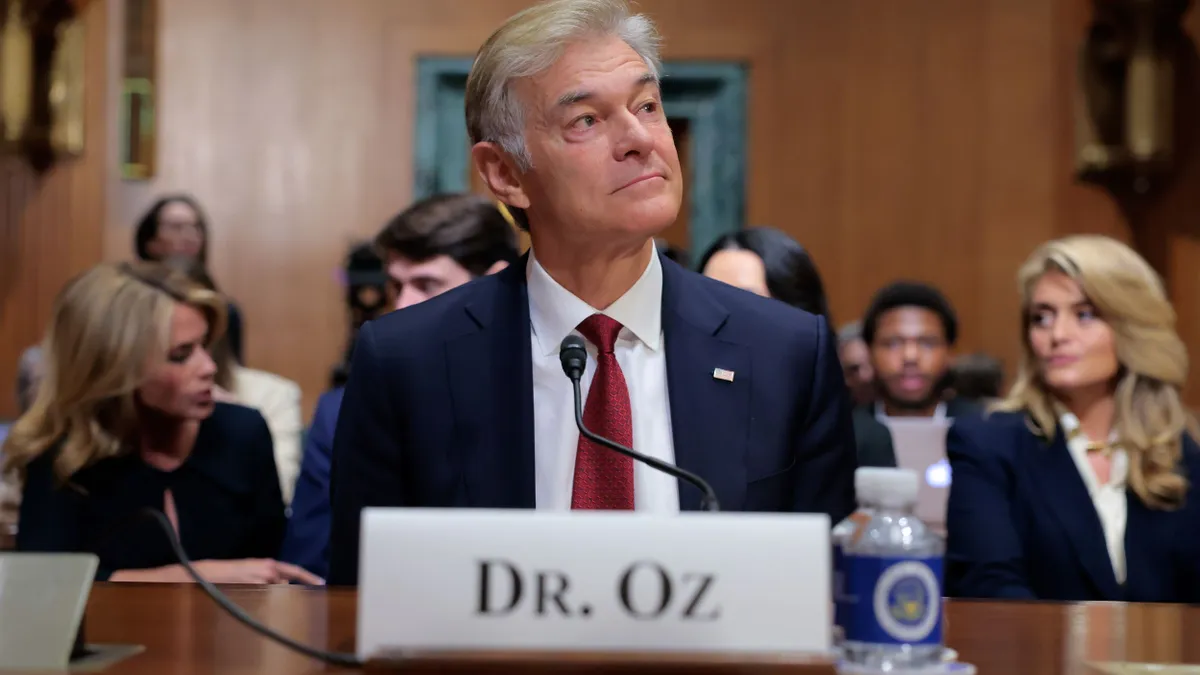
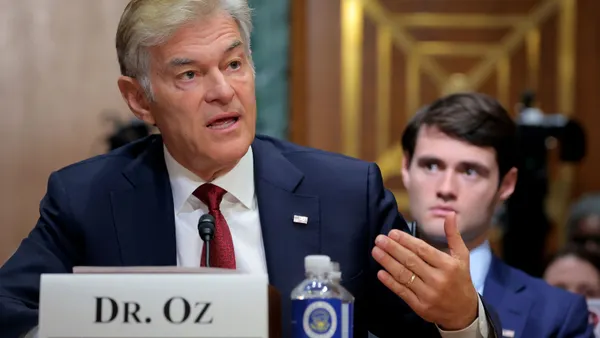
“We are cutting fees, improving transparency, and restoring order to a system that was overwhelmed,” CMS Administrator Dr. Mehmet Oz said in a statement.
The rule will save the IDR process almost $80 million over the next five years, mostly by preventing ineligible disputes, according to an economic analysis included in the final rule.
It will also save insurers and providers more than $500 million through lower administrative fees.
However, operationalizing the rule could cost healthcare companies and the government more than $1 billion, according to the analysis.
Tweaking the federal IDR portal will cost the government $11 million this year alone, while building the new IDR gateway could cost $3 million, the analysis found.
Lower administrative fees will apply to all disputes initiated just five days after the final rule is published in the Federal Register. However, the rest of the rule’s provisions will take more time to roll out.
For example, the batching flexibilities will kick in about five months after the rule is published in the Federal Register, while other modifications to the IDR process, including new eligibility review timelines, will begin three months after regulators notify the public that functionality has become available.