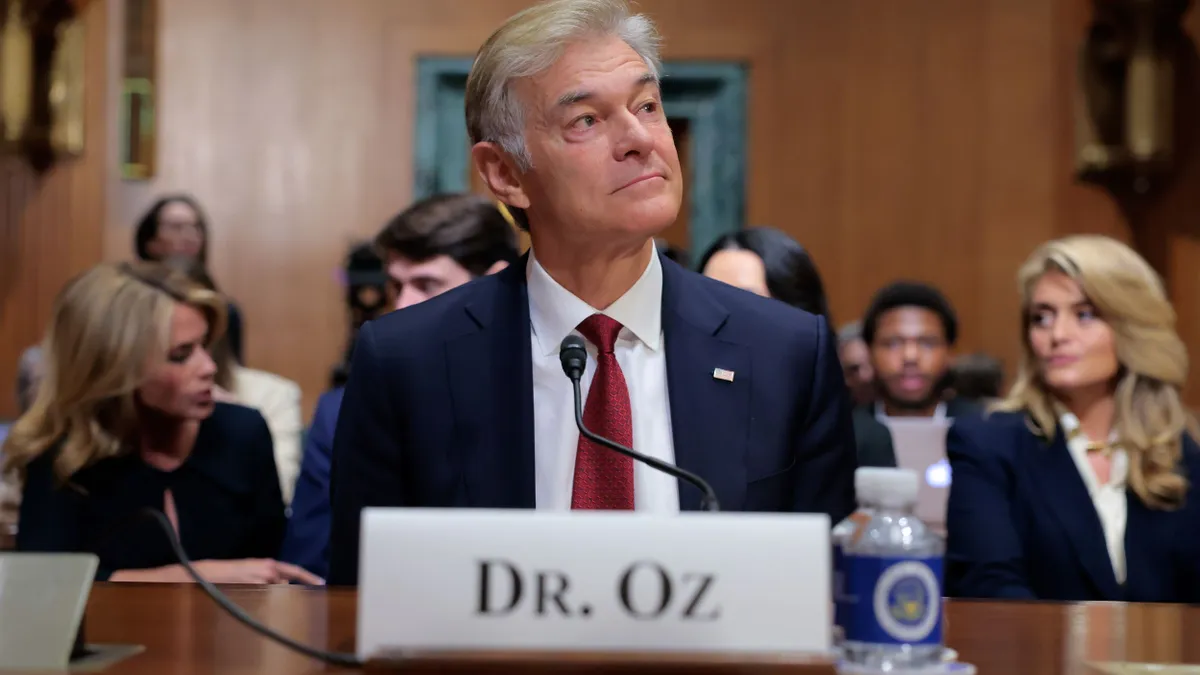
According to CMS Administrator Dr. Mehmet Oz, regulating Medicare Advantage is like lovingly tending a garden — a garden increasingly attacked by weeds.
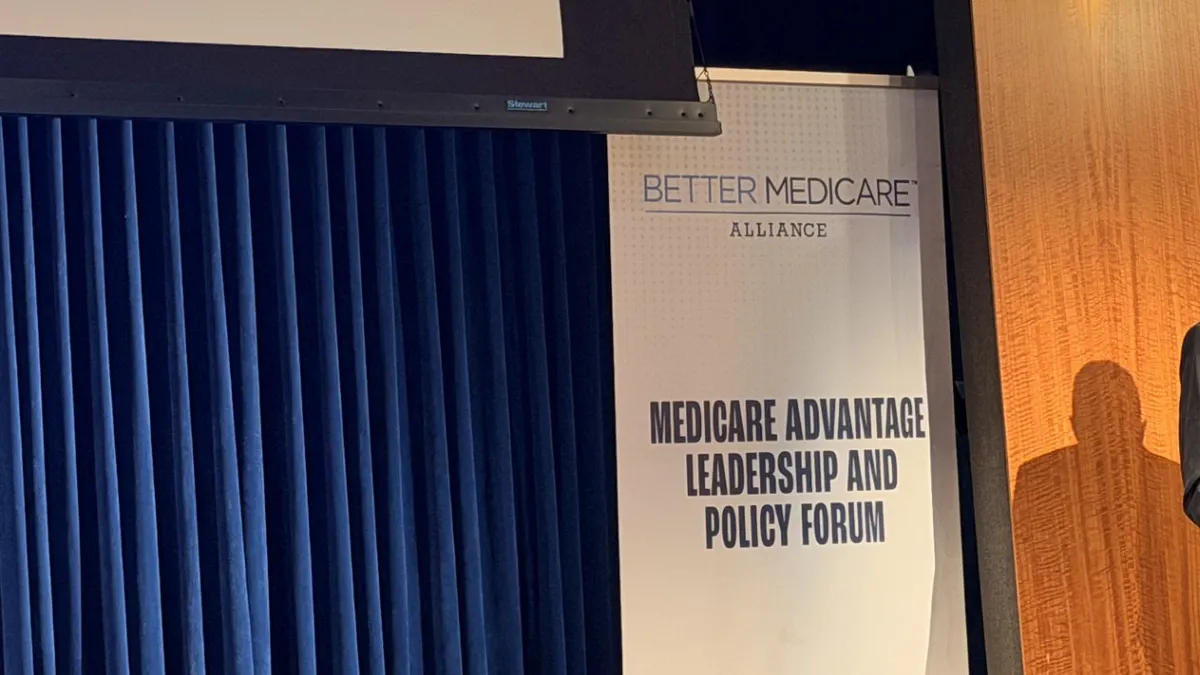
“We want to see [Americans] thrive in their old age, in a lush garden that sustains them,” Oz said in a prerecorded video aired Tuesday at a MA industry event in Washington, D.C. “Yet in recent years, our garden has laid vulnerable to weeds and overgrowth. And for too long, patients have paid the price both financially and physically.”
Oz’s comments are the latest sign that the Trump administration continues to take an interest in strengthening oversight of the privatized Medicare program amid research that MA is susceptible to profiteering by insurers and is costing more than it should.
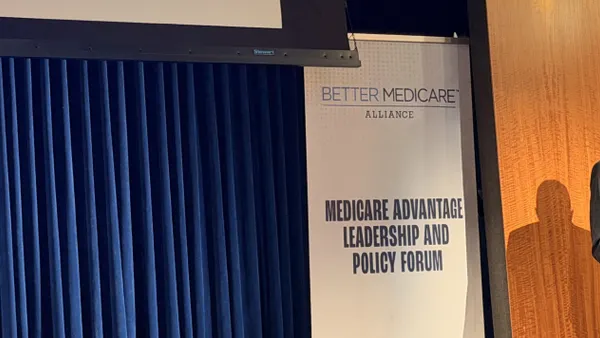
“It’s one of our top priorities — to strengthen Medicare Advantage by ensuring plans deliver nothing short of exceptional care, all while responsibly stewarding taxpayer dollars,” Oz said at the event hosted by Better Medicare Alliance, an influential MA lobby.
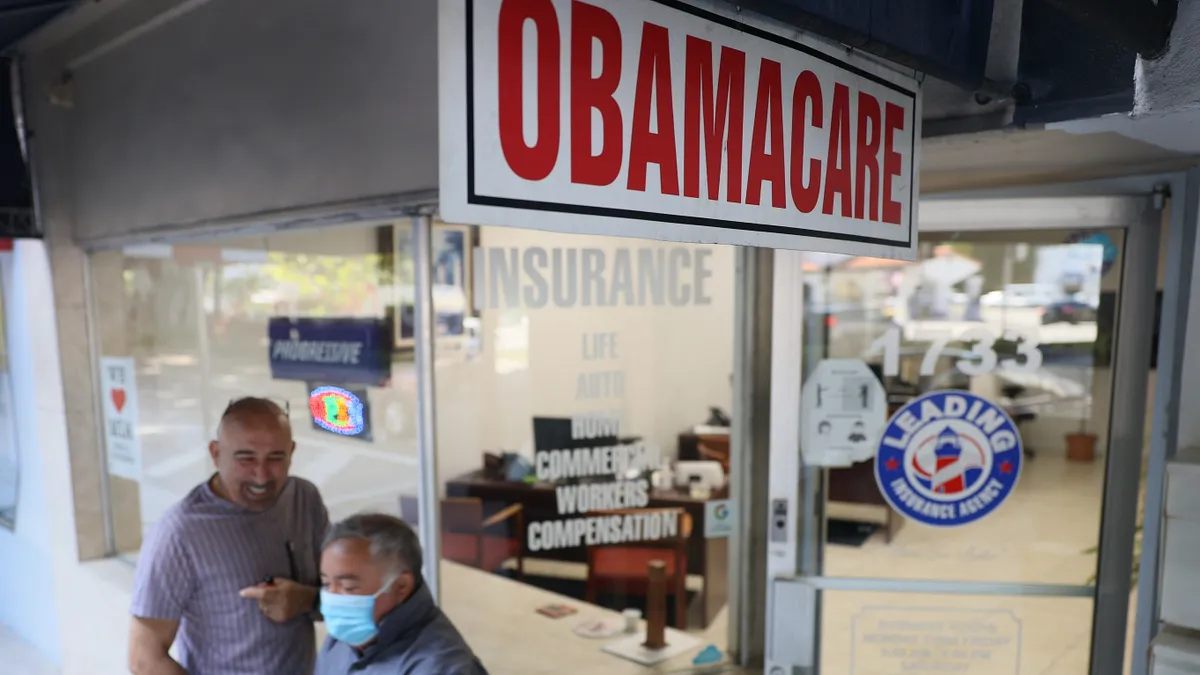
MA, in which the government contracts with private insurers to administer benefits for Medicare seniors, is popular with beneficiaries. Upwards of 35 million Americans — more than half of all Medicare seniors — opted into an MA plan this year, attracted by lower upfront costs, caps on out-of-pocket spending and extra benefits like dental coverage, prepaid debit cards and gym memberships.
But the federal government is paying much more for those seniors’ care than it would in traditional Medicare, according to research. The U.S. will spend an estimated $76 billion more on MA this year, in part due to private insurers overexaggerating the sickness of their members to gin up extra reimbursement, a practice called upcoding.
MA plans have also been slammed for using restrictive provider networks and requiring prior authorization for medical care, which can delay or limit access for seniors.
Concerns about spending and plan behaviors have spurred growing calls for reform, including from medical associations, policy groups, patient advocates and lawmakers on both sides of the aisle. President Donald Trump has also frequently attacked health insurers over the past year, calling them “money sucking” in one notable appearance in November.
Still, health policy officials in the second Trump administration walk a careful line when it comes to MA, between voters clamoring for action to lower healthcare costs — including by Washington taking on the industry’s powerful corporate interests — and Republicans’ traditionally friendly relationship with the private sector.
The CMS is also wary of offending deep-pocketed insurers, which characterize curbing MA as cuts to seniors’ healthcare, in a midterm year, experts say.
In public comments, CMS leaders generally present themselves as staunch defenders of MA but argue reform is needed to improve waning trust in the program. Tuesday’s BMA event was no different.
”In Medicare Advantage, we’re paying the most per-beneficiary probably of any program in the world. And we want to make sure that we’re using taxpayer resources efficiently and being good stewards, as Dr. Oz described,” John Brooks, the deputy administrator of the CMS and its Medicare director, said during a panel.
“One of the challenges over the last three to five years is that I think there’s been a crisis of confidence in Medicare Advantage,” Brooks said. “The goal is to restore confidence.”
Since assuming power in Washington last year, the second Trump administration has made some reforms at the margins. But its policies have generally been favorable for MA insurers.
For example, in January, the CMS proposed a flat payment update for MA plans in 2027, but finalized significantly higher rates after a full-tilt lobbying campaign from insurers. In another victory for the industry, regulators also stripped out proposed changes to how MA insurers account for their members’ health needs that would have curbed payments to plans.
The CMS has also reverted MA’s controversial quality ratings system back to an older and more generous version, a change set to send billions of dollars more to plans.
And this summer, the Trump administration said it would end a program that stabilized standalone Part D prescription drug premiums early, a decision set to give MA plans a competitive advantage against traditional Medicare.
Though, regulators did finalize a policy putting tighter guardrails around how plans adjust for the health risks of their members, which is expected to help combat upcoding. Oz has also stepped up overpayment audits of MA plans.
Medicare open enrollment starts Oct. 15.