Dive Brief:
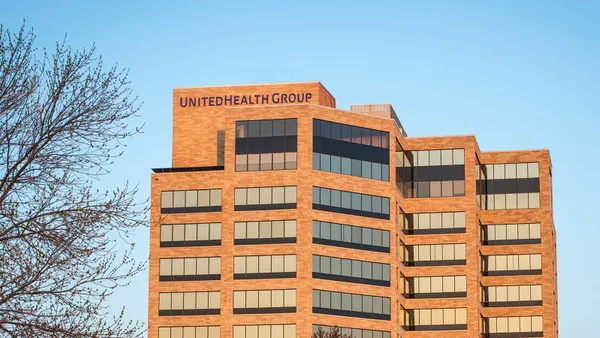
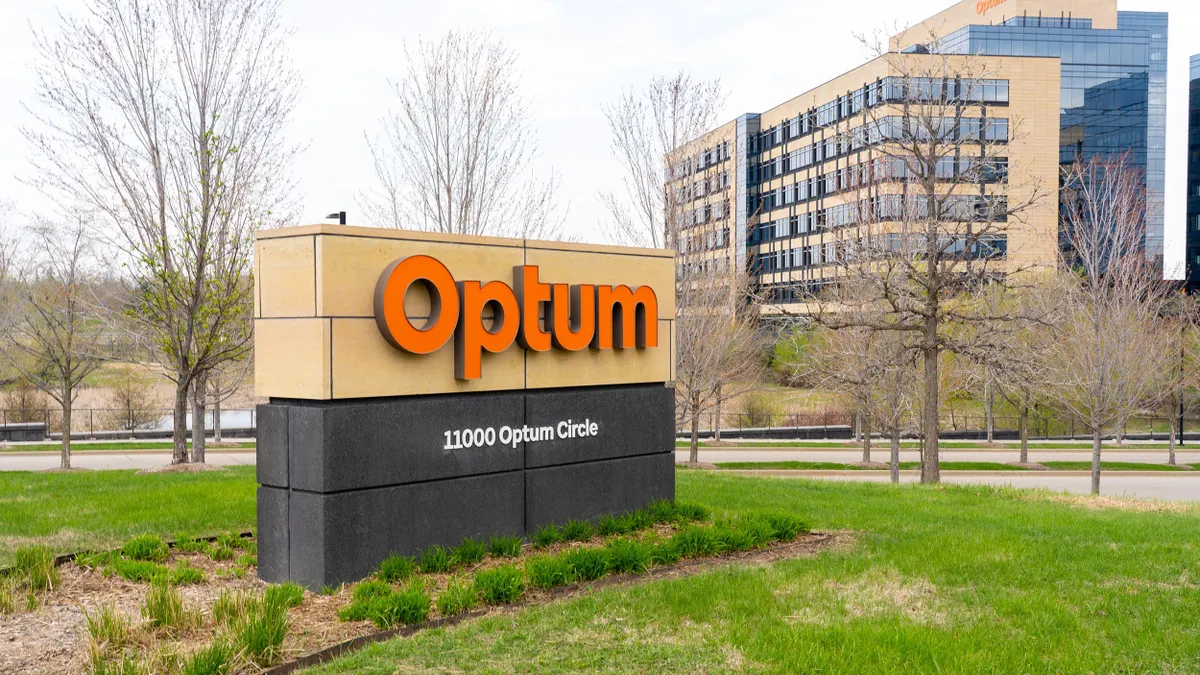
- Optum Rx will shift away from a pharmacy benefits model where it’s reimbursed based on the list price of medications, in a bid to boost transparency amid heightened scrutiny of what critics say are opaque business practices by pharmacy benefit managers.
- Under the new model, clients of the UnitedHealth-owned PBM will be able to pay “monthly, clearly defined fees” per member that aren’t linked to drug manufacturers’ list prices or prescription volume, Optum Rx said in a press release Monday.
- Customers will be able to view Optum Rx’s fees, including those linked to the company’s Emisar group purchasing organization and payments received from pharmaceutical companies. Group purchasing will transition to flat service fees by the end of next year, Optum Rx said.
Dive Insight:
The move by UnitedHealth’s pharmacy benefits unit comes as PBMs — middlemen in the drug supply chain that negotiate rebates from drugmakers, create medication formularies and contract with pharmacies — have faced increased pressure from regulators and lawmakers in recent years.
Critics say PBMs use opaque business practices that ultimately increase the costs of drugs, given the middlemen are often reimbursed based on pharmaceutical companies’ list prices. Opponents also point to the large, integrated nature of the “Big Three” PBMs, including Optum Rx, which belong to major healthcare firms that also operate pharmacies and insurers. The Big Three control about 80% of prescription claims in the U.S.
The Federal Trade Commission sued the nation’s largest PBMs — Optum Rx, CVS’ Caremark and Cigna’s Express Scripts — in 2024, accusing the drug middlemen of driving patients toward more expensive insulin to bring in higher rebates from drugmakers. Express Scripts reached a settlement with the regulator earlier this year.
PBMs have also drawn the ire of lawmakers. In February, President Donald Trump signed a funding bill that included reforms for the drug middlemen, including transparency requirements and a prohibition on PBMs’ linking their pay to manufacturers’ list prices in Medicare Part D.
Some of Optum Rx’s peers, like Cigna and CVS, have also overhauled their pharmacy benefits models. Now, the UnitedHealth-owned PBM is changing its approach too, which should make its pharmacy system “simpler and more predictable,” according to Optum CEO Dr. Patrick Conway.
The change would eliminate spread pricing, Optum Rx said, a much-maligned practice by PBMs where they charge payers more than they pay pharmacies and keep the difference.
But the overhaul shouldn’t impact margins, allowing Optum Rx to continue operating at a margin between 3% and 5%, Ben Eklo, Optum’s CFO, said at the Bank of America Securities Health Care Conference Tuesday. The model won’t be mandatory for clients “right away,” he added.
The PBM said the move builds on its previous work, including a pledge last year to pass through 100% of rebates from manufacturers onto clients by 2028. It has also reformed how it pays pharmacies and increased reimbursement for independent pharmacies on brand name drugs, the company says.
Alongside the new model, Optum said it would launch new digital tools to help patients figure out their drug costs. Shop MyScript notifies Optum Rx customers about pricing, pharmacy and delivery options immediately after a prescription is written, the company said in a press release.
Additionally, a tool called Price Wise shows a cost breakdown for drugs at their partner pharmacies, as well as prices for patients who don’t use insurance benefits.