Dive Brief:
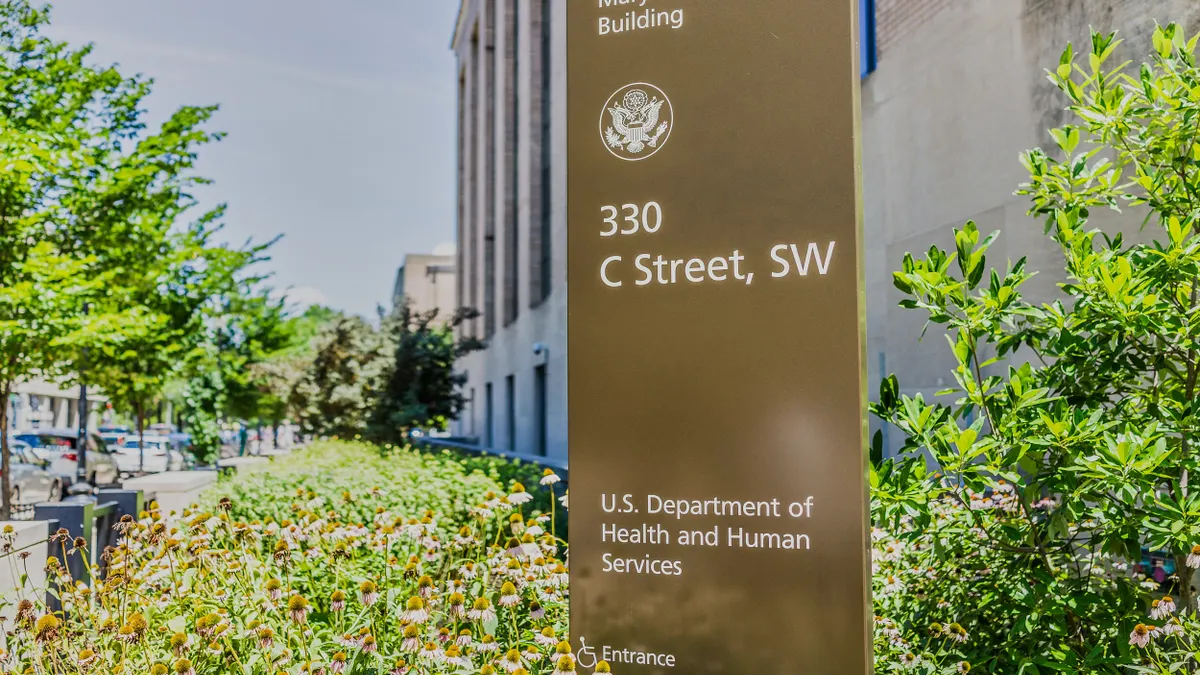
- The HHS is continuing its crackdown on healthcare fraud, launching a program that will use artificial intelligence to examine audits from states and other federal grant recipients — and potentially affect Medicaid funds.
- The Office of the Assistant Secretary for Financial Resources will look across all states to analyze at least five years of audits that grantees file annually with the federal government, the department said Thursday.
- The agency says past audits include internal control issues and “chronic” noncompliance. If recipients aren’t able to fix those problems, the HHS could temporarily withhold payments, hold back future funds, or suspend or terminate awards.
Dive Insight:
The program, called the Audit Enforcement and Risk Oversight, or AERO, initiative, comes after years of problems with audits, the HHS said.
Under federal law, states, local governments, nonprofits and other grantees that spend $1 million or more in federal funds each year have to file an audit that reviews the organization’s financial operations and its compliance with federal regulations.
States and other grantees have “consistently failed” to fix internal control issues, or didn’t fix weaknesses identified in the reviews, according to the agency. Additionally, some funding recipients haven’t completed the required audits.
“Years of audit reports documented serious vulnerabilities and failures in oversight, yet states and grantees faced little to no consequences,” Gustav Chiarello, HHS assistant secretary for financial resources and chief financial officer, said in a statement. “Grantees who want to work with us to fix these problems will have a partner. Those that don’t may face consequences.”
The department said it was “too early to estimate” the financial savings from the crackdown.
The Trump administration has prioritized addressing fraud, waste and abuse across the federal government.
Earlier this month, the CMS announced it would halt Medicare enrollments of new hospices and home health providers, giving the agency time to conduct targeted investigations and use advanced analytics to remove potentially fraudulent providers.
The CMS also suspended Medicare enrollment for certain suppliers of durable medical equipment, prosthetics and orthotics earlier this year.
The Trump administration has targeted states for healthcare fraud too, including withholding hundreds of millions of dollars in Medicaid funds to Minnesota and more than $1 billion from California.
Critics have argued the administration is disproportionately targeting Democrat-led states. Late last month, Oz said the Medicaid fraud crackdown would expand to all 50 states, requiring them to submit plans on how they revalidate providers in the safety-net insurance program.