Insurer ownership of pharmacy benefit managers doesn’t appear to increase the cost of drugs in Medicare, though the jury’s still out, according to a new report from the HHS’ Office of the Inspector General.
Government investigators analyzed 60 commonly used and high-cost drugs, and found the overall difference in their prices was negligible — less than 1% — between vertically integrated health plans tied to a PBM middleman and health plans that were not vertically integrated.
The lack of a relationship is notable given widespread concerns that vertical integration, which is rampant in the prescription drug supply chain after years of consolidation, leads to higher drug costs and other anticompetitive outcomes like limited access and a lack of pricing transparency.
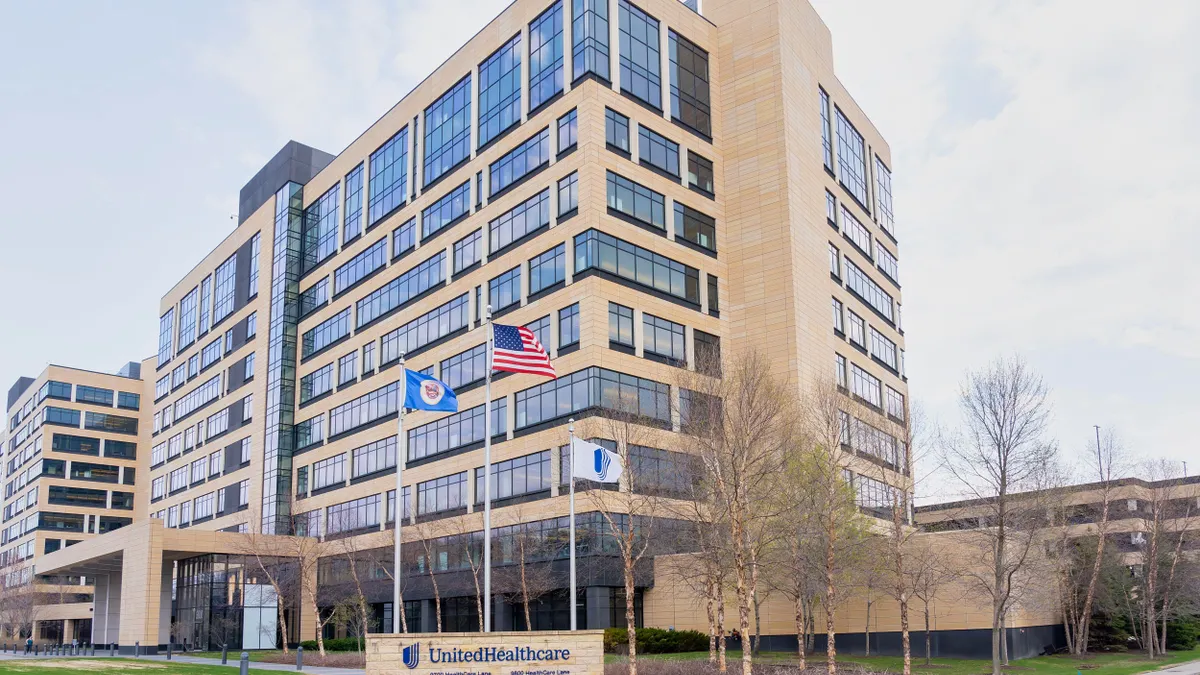
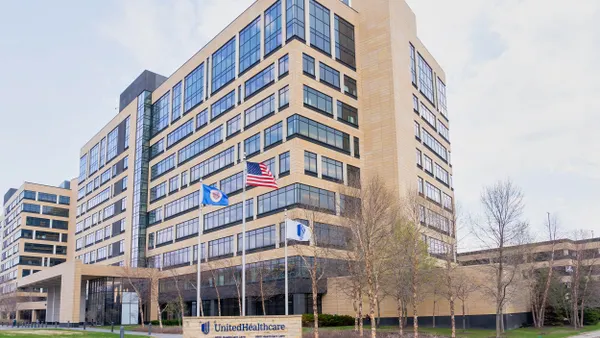
The three largest PBMs — Express Scripts, Caremark and Optum Rx — are all owned by major conglomerates that also operate a national insurer and pharmacy assets. Together, the so-called “Big Three” control about 80% of all U.S. prescriptions. Research, including from the Federal Trade Commission and the House Oversight Committee, suggests that the companies leverage that market power to keep more of their members’ healthcare dollars in-house, disadvantaging their competitors and potentially inflating drug spending.
The HHS OIG set out to understand how vertical integration might be affecting costs in Medicare’s prescription drug benefit Part D, which is heavily concentrated among a small number of vertically integrated insurers.
Though the net cost of drugs was similar whether or not insurers owned a PBM, how they got to the same cost differed, according to the resulting report. Vertically integrated companies generally paid pharmacies more for drugs up front, but then clawed back more money later through rebates and other fees.
But overall, vertical integration didn’t appear to lead to higher spending, the watchdog concluded.
However, the situation isn’t cut and dry. Data limitations made it impossible to get a full picture of how consolidation may be affecting cost and access, researchers said.
For example, though vertically integrated companies paid their own affiliated pharmacies a little less than they paid other pharmacies — just about 4% less at the point of sale — the HHS OIG wasn’t able to find out whether the companies made other adjustments after a prescription was dispensed, such as price concessions or other fees, that could reduce how much unaffiliated pharmacies take in.
Indepedent pharmacies have rung warning bells for years that major PBMs are restricting their reimbursement, including by strong-arming them into unfavorable contracts, steering patients to in-house pharmacies and clawing back revenue that the pharmacies say they’re owed.
How vertically integrated PBMs are affecting independent pharmacies is a key focus of the FTC, as the antitrust agency goes after the Big Three for allegedly anticompetitive business practices. Among other concerns, regulators have found that the companies pay their own pharmacies preferential rates, contributing to pharmacy closures and limiting patient access to drugs.
It’s also a worry for the CMS, which has urged PBMs to go easy on independent pharmacies.
Still, the HHS OIG’s report could throw cold water on those concerns — or lukewarm water, given regulators’ stress that the full impacts of vertical integration remain unknown due to a lack of data.
“We could not draw overall conclusions about whether or how much vertically integrated sponsors and other sponsors differ in their net payments to pharmacies. Nor could we determine whether vertically integrated sponsors pay different net amounts to affiliated versus unaffiliated pharmacies,” the HHS OIG wrote.
Still, major PBM lobby the Pharmaceutical Care Management Association seized on the study’s findings as concrete proof that consolidation doesn’t drive up prices. Companies like UnitedHealth, CVS and Cigna that own major PBMs argue that vertical integration actually helps them lower costs and improve member access to drugs.
“The case has not been made that vertical integration raises drug costs. There simply is no evidence that it does,” David Marin, the PCMA’s CEO, said in a statement on the HHS OIG’s report.
However, the National Community Pharmacists Association, which represents independent pharmacies, said it’s too early to jump to conclusions given the significant gray areas in the OIG’s findings.
“We look forward to future OIG findings as they continue this important work, and we look forward to their ongoing efforts to complete the blind spots in the report due to limitations in data provided by the health care conglomerates,” the NCPA said in a statement Thursday.