Dive Brief:
- The CMS is tightening oversight over Medicaid demonstration waivers, the latest move from the Trump administration to reduce spending in the safety-net insurance proram.
- Starting in 2027, states’ Medicaid demonstration waivers, renewals and amendments must be approved by the CMS’ chief actuary and certified that they won’t increase federal spending, the CMS said Thursday.
- States will also have to submit more rigorous financial projections to the agency. The CMS said it’s preparing rulemaking that would cement the new standards, but that it still plans to enforce them if a final rule isn’t effective by Jan. 1.
Dive Insight:
Medicaid waivers, called section 1115 demonstrations, allow states more flexibility to experiment with care delivery in the safety-net insurance program.
Almost every state uses a demonstration waiver, while some states have multiple active waivers. The waivers have allowed states like Alabama to provide family planning services to people whose Medicaid eligibility for pregnancy had ended and Colorado to provide specialized care to people with brain injuries.
The demonstrations account for nearly one-third of all federal Medicaid dollars. Now, regulators are saying they’re going to more strictly oversee spending.
In particular, the CMS’ chief actuary will determine if the demonstrations are budget neutral prior to approval, in compliance with the “Big Beautiful Bill” signed last year.
Regulators have always required the demonstrations be budget neutral. But the CMS says that true budget neutrality is really determined retrospectively after the demonstration period ends, which can create problems for runaway spending.
The Trump administration also says what’s considered “budget neutral” hasn’t been defined in statute, allowing the definition to shift over time and increase spending.
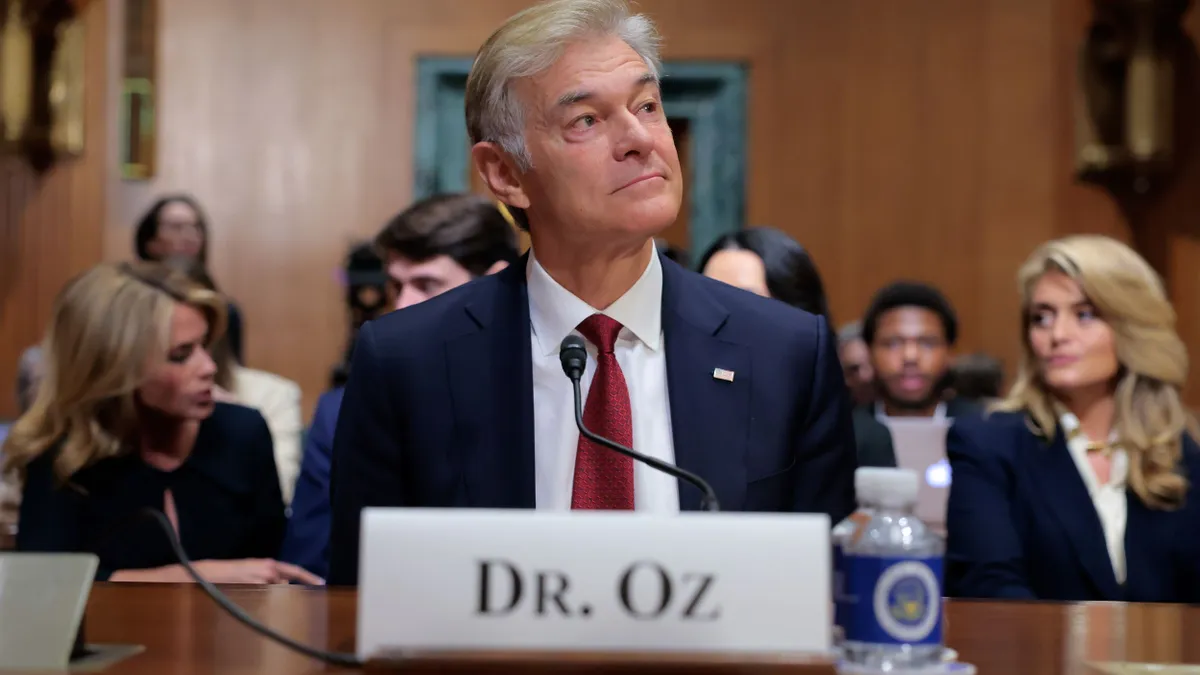
“The budget neutrality requirements we plan to propose are designed to ensure that testing new ideas doesn’t cost taxpayers more than current approaches, while improving health outcomes for the people we serve,” CMS Administrator Dr. Mehmet Oz said in a statement.
Regulators said they expected to provide additional guidance and technical assistance to states before 2027.
What’s allowed under Medicaid demonstration waivers has changed over the last few presidential administrations. Under the Biden administration, the CMS allowed Medicaid demonstrations to cover some non-medical services like housing and food. It also relaxed restrictions on waivers so states could keep some beneficiaries continuously enrolled.
Those policies were quickly rolled back under the second Trump administration. Last year, the CMS said it would no longer approve or extend certain demonstrations that aimed to address social determinants of health, adding that the spending was approved with “creative interpretations” of section 1115 waivers.
The agency also stopped approving new or existing waivers that allowed continuous enrollment and funded job training.
It’s the CMS’ latest crackdown in Medicaid, as the Trump administration moves to expand enforcement of what it says is fraud and overspending in the safety-net program.
The administration has deferred or halted Medicaid funds to states like California and Minnesota over allegations of fraud. It’s also cut billions earmarked for the safety-net program as part of the reconciliation package enacted last year, including by requiring the first-ever national work requirement in Medicaid starting in 2027.