The HHS on Tuesday deferred more than $1 billion in Medicaid payments to California and Minnesota, the latest salvo in the Trump administration’s war on fraud in federal programs.
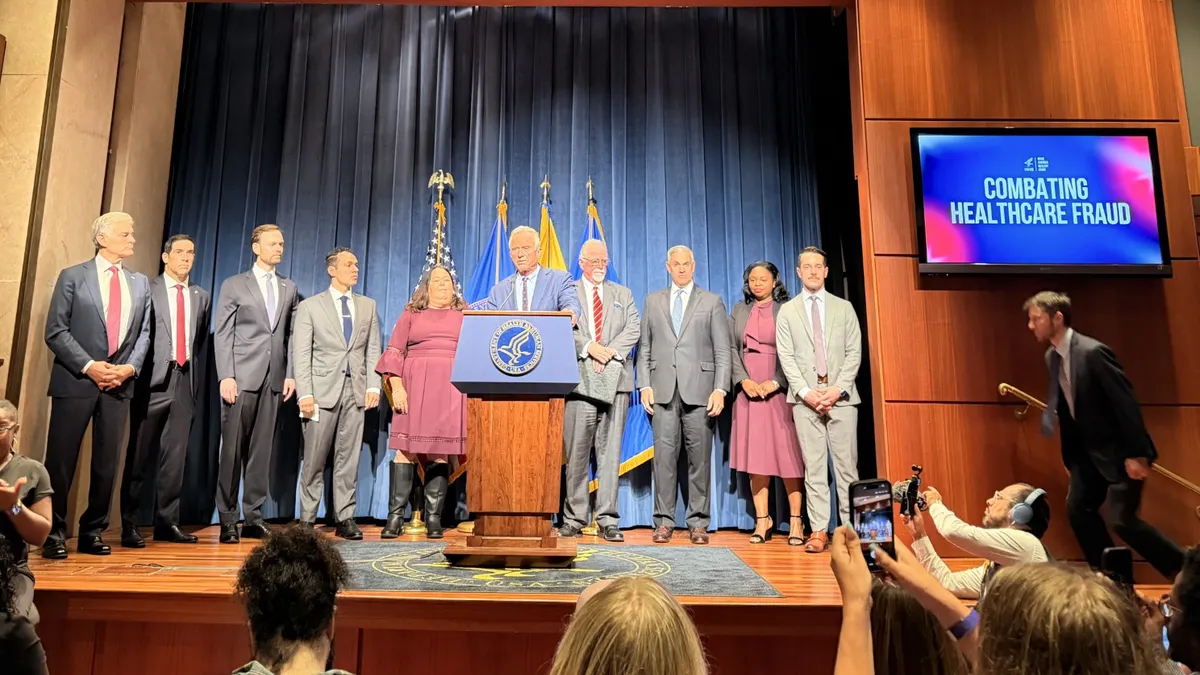
Regulators halted roughly $867.5 million in funding for California and $199 million for Minnesota, after reviews found a significant number of payment claims that needed additional documentation, health officials announced in a press briefing Tuesday.
The deferrals are set to add more stress onto the states’ already strapped Medicaid budgets. The CMS paused $1.3 billion in Medicaid payments to California — the largest deferral in the agency’s history — and $350 million to Minnesota earlier this year.
State regulators and lawmakers contest the Trump administration’s portrayal of widespread fraud in their Medicaid programs. And the deferrals have sparked condemnation from patient advocates and Democrat lawmakers, who argue that cutting funding without warning — and without a clear path to get it back — threatens services for low-income Americans in Medicaid.
Democrats also argue the Trump administration’s actions are a smokescreen to hurt its political opponents, given only Democrat-led states have had their payments withheld.
Deferring Medicaid payments over concerns about fraud is an atypically aggressive approach, according to experts. Normally, the CMS works collaboratively with states to administer Medicaid and address any vulnerabilities in their programs instead of threatening federal funding.
Top officials deny that they’re targeting blue states and say they’re following the data in going after fraud. Proactively pausing federal Medicaid funding is necessary when there’s evidence of widespread state fraud to stop payments to bad actors before they occur instead of chasing the money down later, they argue.
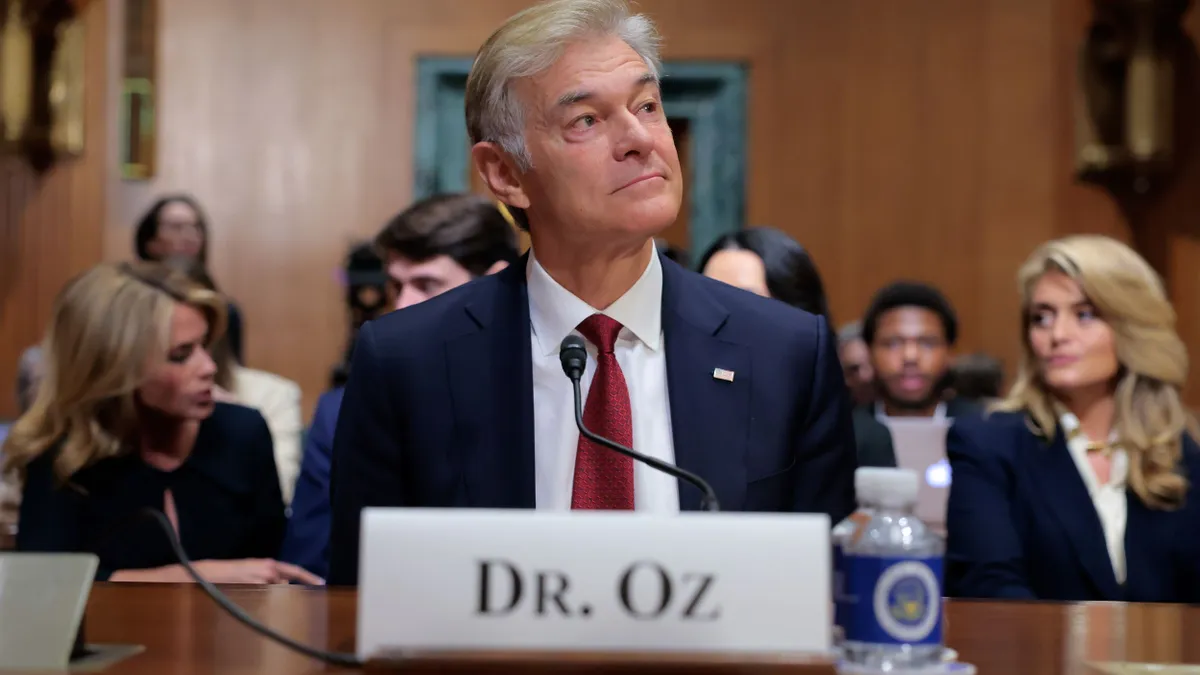
“In Minnesota and California, our reviews going back to just over the last few years turned up the same recurring theme again and again every single quarter: claims in these same high-risk categories that the states have not yet been able to document fully and acceptably to the federal government. Claims that are unresolved and claims that smell like fraud. And if it smells like fraud, we’re not paying for it anymore,” CMS Administrator Dr. Mehmet Oz said during the Tuesday briefing.
Minnesota’s $199 million deferral came after the CMS reviewed 14 services at high risk for fraud, mostly for in-home and personal care, and found claims that seemed to be improperly billed or for ineligibile enrollees.
The CMS is also unsure about the validity of claims filed from providers who were later kicked out of Medicaid, which make up a “big part” of the deferral, according to Oz.
Of California’s $867.5 million deferral, almost half is for in-home services for seniors and disabled beneficiaries, which have grown much more quickly in California than in other states.
Over the past two years, California’s spending on in-home programs rose 24% — double the growth rate for other states, Oz said, arguing that’s indicative of snowballing fraud.
But that growth is because the state intentionally expanded home-based services, because they’re cheaper and more convenient than care provided in facilities, according to Tyler Sadwith, California’s Medicaid director.
California has explained that to the CMS, but that the CMS decided to defer the payments anyways — without providing any actual evidence of fraud, Sadwith said during a congressional hearing in June.
“California isn’t being targeted because Trump has evidence of fraud. We are being targeted for political reasons — and because Dr. Oz doesn’t understand that we are *SAVING* taxpayers money by keeping seniors and people with disabilities out of far more expensive nursing homes! We hate fraud. That’s not what this is,” California Gov. Gavin Newsom wrote in a Tuesday post on X.
During the press briefing, Trump administration officials stressed that the deferrals are a pause, not a permanent funding cut.
The dollars will flow out the door as soon as states prove the payments met federal Medicaid requirements, including by supporting claims with additional documentation and validating that beneficiaries were actually eligible for care and providers actually delivered it, said Dan Brillman, the director of the Center for Medicaid and CHIP Services and deputy administrator of the CMS.
States must also take additional actions when problems are identified, like suspending providers or reporting bad actors to law enforcement, according to Brillman.
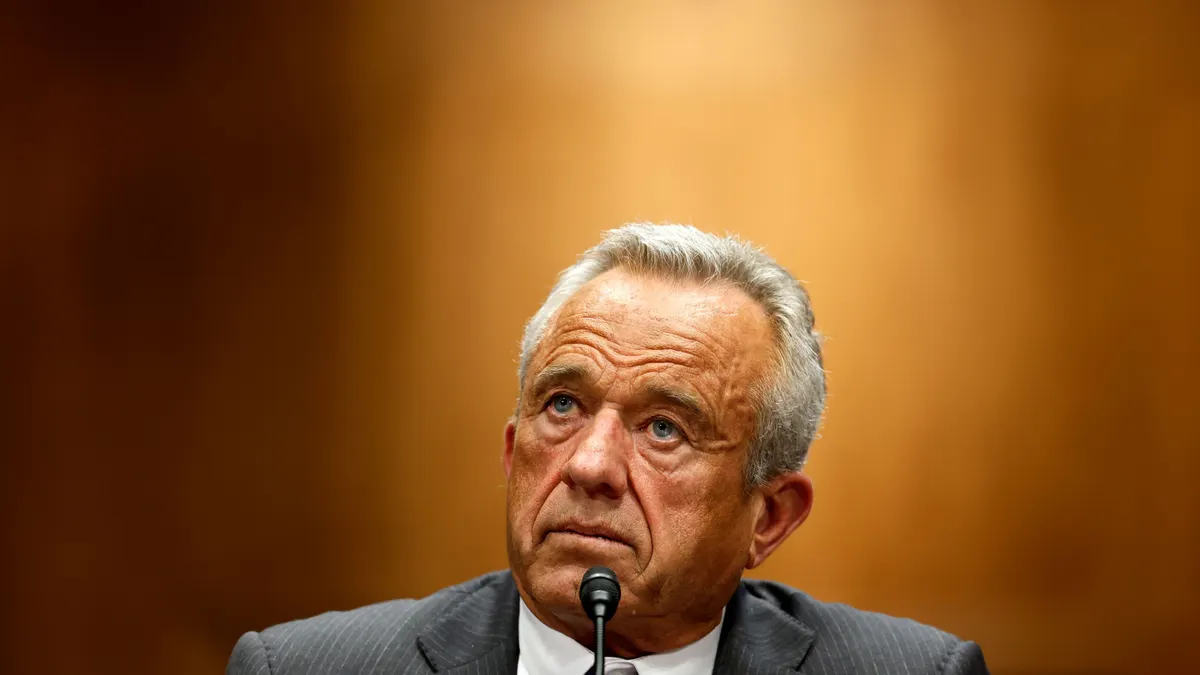
“If Governor Gavin Newsom or Governor Tim Walz wants this funding released, all they have to do is find basic documentation showing that these services are legitimate and not fraudulent, and that’s common sense,” HHS Secretary Robert F. Kennedy Jr. said during the briefing.
But that’s easier said than done, according to Medicaid directors in California and Minnesota. They’ve said that it’s difficult to work with this CMS, as the agency frequently shifts goalposts for compliance.
“CMS touts their new fraud-detection capabilities, yet has not provided data or explanation on how the deferral amount was calculated or what it was based on,” John Connolly, Minnesota’s Medicaid director, told Healthcare Dive. “Today’s actions show that the federal government is acting again in unprecedented and punitive ways as part of their war on Medicaid and its recipients.”
The HHS did not respond to a request for comment on whether there was a firm timeline in place to resume the states’ Medicaid funding. California and Minnesota are still going back and forth with federal regulators to get their earlier deferrals resolved.
Most stakeholders applaud the spirit of the Trump administration’s war on fraud, though they worry officials are using a hammer instead of a scalpel, rushing to enforcement actions that could hurt states and their Medicaid beneficiaries on shaky data.
For example, the CMS sent a letter to New York in March accusing the state of running a Medicaid program riddled with fraud. But that accusation was based on faulty information, and the CMS later acknowledged its mistake.
To date, the CMS has only publicly announced funding deferrals in Minnesota and California. But the agency has sent letters requesting information about Medicaid program integrity to a handful of others, including New York, Maine and Florida, the lone red state to be targeted to date.
The actions follow an executive order from President Donald Trump in March establishing a fraud-fighting task force, which has worked closely with the Department of Justice and top health officials in the CMS to root out fraud, waste and abuse.
This spring, the CMS asked all 50 states to recheck the credentials of Medicaid providers viewed to be at risk of fraud, and warned state attorneys general that Medicaid fraud control units need to comply fully with federal standards or face decertification — before decertifying units in Hawaii and New York this summer.
The HHS also on Tuesday gave the CMS and the HHS’ Office of the Inspector General the power to remove providers from federal healthcare programs and bar them from rejoining.