Dive Brief:
- The Trump administration is taking another swing at overhauling the Affordable Care Act marketplaces, appealing a court ruling striking down controversial changes that regulators say are needed to combat fraud but would make enrollment in the exchanges much trickier for Americans.
- The HHS filed an appeal with the 4th Circuit on Tuesday seeking to reverse a Maryland district court’s decision last month vacating eight key provisions of the 2025 ACA rule. The judge had initially stayed the policies last year.
- Federal regulators attempted to reenact some of the provisions in a separate ACA rule finalized this spring, but the Maryland district court paused them again in a separate lawsuit.
Dive Insight:
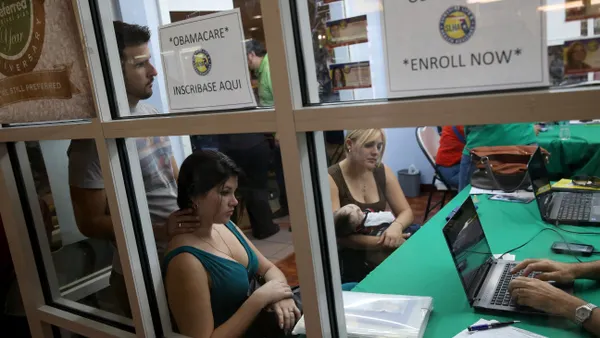
The HHS has been dogged in its efforts to remake the ACA exchanges despite setbacks in the courts. Regulators say the reforms — including shrinking sign-up windows and heightening eligibility verification — are necessary to crack down on what they argue is widespread fraud and abuse in the exchanges. But it’s a scorched earth approach, according to critics. Up to 1.8 million people were expected to lose coverage as a result of the 2025 ACA rule.
Last July, nonprofit Democracy Forward filed a lawsuit challenging the rule on behalf of the cities of Chicago, Baltimore and Columbus, Ohio, along with the physician advocacy organization Doctors For America and small business lobbying group Main Street Alliance.
The suit argued that the Trump administration violated the Administrative Procedures Act in issuing the rule, and that the plaintiffs would shoulder higher costs and see their members lose coverage if it went into effect. Maryland Judge Brendan Hurson agreed, temporarily pausing the rule’s major provisions last August before officially vacating them in June.
The policies that Hurson vacated and the HHS is now seeking to resuscitate are:
- The creation of a $5 premium penalty for individuals who automatically reenroll in coverage
- A policy disqualifying people who fail to reconcile tax credits with their income from receiving subsidies
- The elimination of guaranteed coverage for people who are overdue to pay their premiums
- The imposition of higher income verification standards if exchanges find inconsistencies in tax data
- Enacting stricter eligibility checks ahead of a special enrollment period
- Changes to a formula used to sort ACA plans into different coverage tiers.
- The elimination of a 60-day window for ACA enrollees to resolve inconsistencies in their income data
- The creation of a shorter open enrollment period beginning next year
The stays have been a boon for insurers with an outsized exchange presence, including Centene and Molina, which are already absorbing turbulence in their ACA books from the expiration of more generous subsidies for coverage at the end of last year.
Additional membership losses as a result of the policies wouldn’t have helped, analysts say. Still, the courts to date have only granted a temporary reprieve, given the GOP’s tax and policy megabill signed into law last summer codified similar restrictions to the ACA, including effectively ending autorenewals and requiring enrollees to update income information more frequently or risk losing coverage.