Dive Brief:
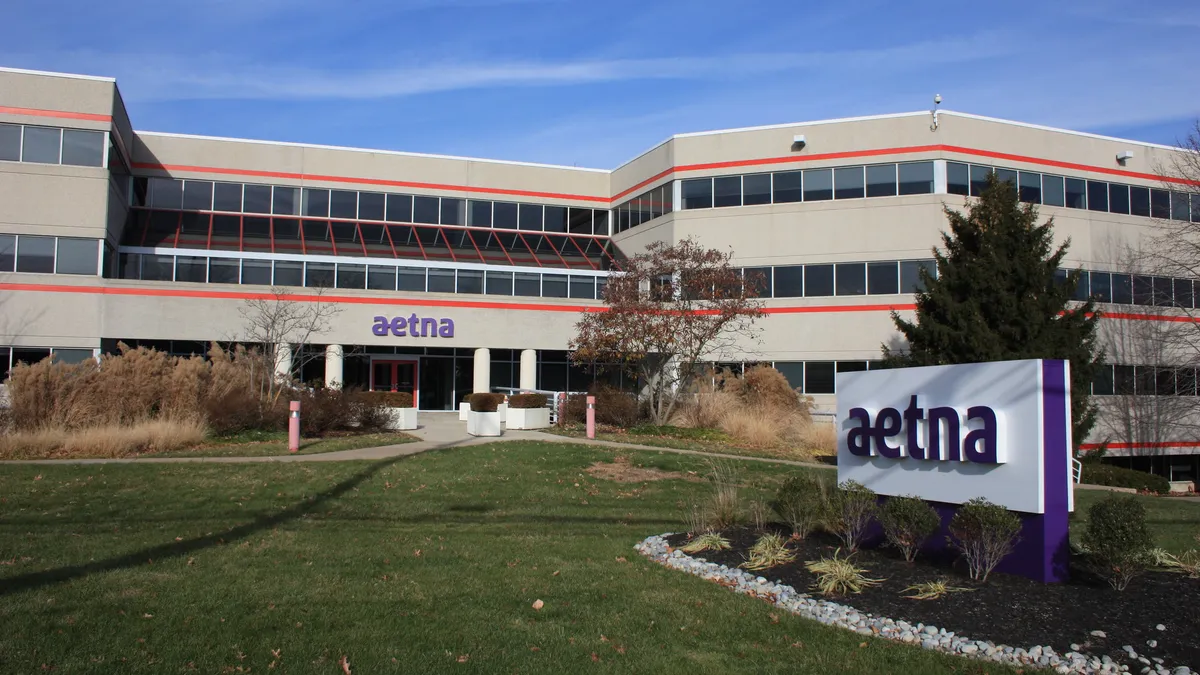
- CVS Health’s Aetna insurance division is combining all the different preapproval requirements for cancer care into just one unified request, as payers continue to reform one of the biggest pain points for U.S. patients and physicians.
- Aetna, which covers 26 million members, is bundling separate prior authorizations for cancer treatments, including chemotherapy, immunotherapy and radiation oncology services, with associated imaging needs, like MRI or CAT scans, the company announced Thursday.
- The bundle will be available to Medicaid members in eligible states on Sept. 2, with a full rollout across other insurance lines next year.
Dive Insight:
Insurers are cutting back on prior authorizations, which require doctors to get an insurer’s approval before providing care to their members, as they work to bolster waning consumer trust and mitigate criticisms of their industry.
The preapprovals are meant to prevent unnecessary or overly expensive medical care. But they’re a thorn in the side of providers, which contend that prior authorization contributes to burnout, slows down the provision of medical care and can lead to worse health outcomes
Aetna’s expansion of cancer care bundles builds on a pilot the insurer launched last summer, which combined various authorizations for lung, breast and prostate cancer. Almost one-fourth of eligible members have had their prior authorizations bundled under the program, according to Aetna.
The appeal of the bundles is that they combine multiple preapprovals over a patient’s care journey into one upfront request, cutting back on paperwork for physicians and preventing potential treatment delays. Previously, providers were on average submitting four separate prior authorizations for each Aetna member with cancer, the insurer said.
"A cancer diagnosis can be overwhelming for patients and families, and the care team should be focused on their patient, not paperwork," Katerina Guerraz, Aetna’s chief operating officer and Medicaid president, said in a statement. "By approving a broader set of treatments and related services upfront, we're removing barriers that can delay care.
Aetna is expanding the prior authorization bundles to Medicaid members in Oklahoma, Illinois, Maryland, New Jersey, Virginia, Florida, Kentucky and West Virginia that use a particular portal to submit prior authorizations this fall. Aetna plans to roll out the bundles to its Medicare and commercial members in the first half of 2027.
An Aetna spokesperson did not respond to questions on why those particular Medicaid states were selected or what other conditions Aetna could scale the bundles to next. The insurer already provides preauthorization bundles for musculoskeletal conditions that include X-rays, knee surgeries, certain medications and other care.
Amid growing calls for prior authorization reform, the HHS secured a pledge from insurers last summer to voluntarily streamline cumbersome prior authorizations. The insurers participating in the effort said this spring they’ve cut 11% of their preapprovals since.
Earlier this month, insurance giant UnitedHealthcare said it’s nixing prior authorization for roughly 1,700 medical codes starting this fall, part of the company’s bid to eliminate 30% of its preapproval requirements by the end of this year.
Despite the announcements, hospitals and doctors are generally wary about insurer promises to restrict utilization management controls, uncertain that they’ll reduce administrative burden or improve timely care access for patients.
That concern is compounded by evidence that the lion’s share of prior authorization denials are overturned upon appeal, suggesting that care should have been approved in the first place. Insurers denied at least 1 in 8 standard prior authorization requests in government programs last year, according to a recent analysis by KFF.