Dive Brief:
- The CMS is ending a Biden-era program that brought down premiums for Medicare Part D prescription drug plans.
- The agency announced Tuesday it planned to wrap up the Part D Premium Stabilization Demonstration after this year. The program, which went into effect last year, was meant to stabilize monthly premiums for enrollees in the wake of significant changes to coverage enacted in the Inflation Reduction Act.
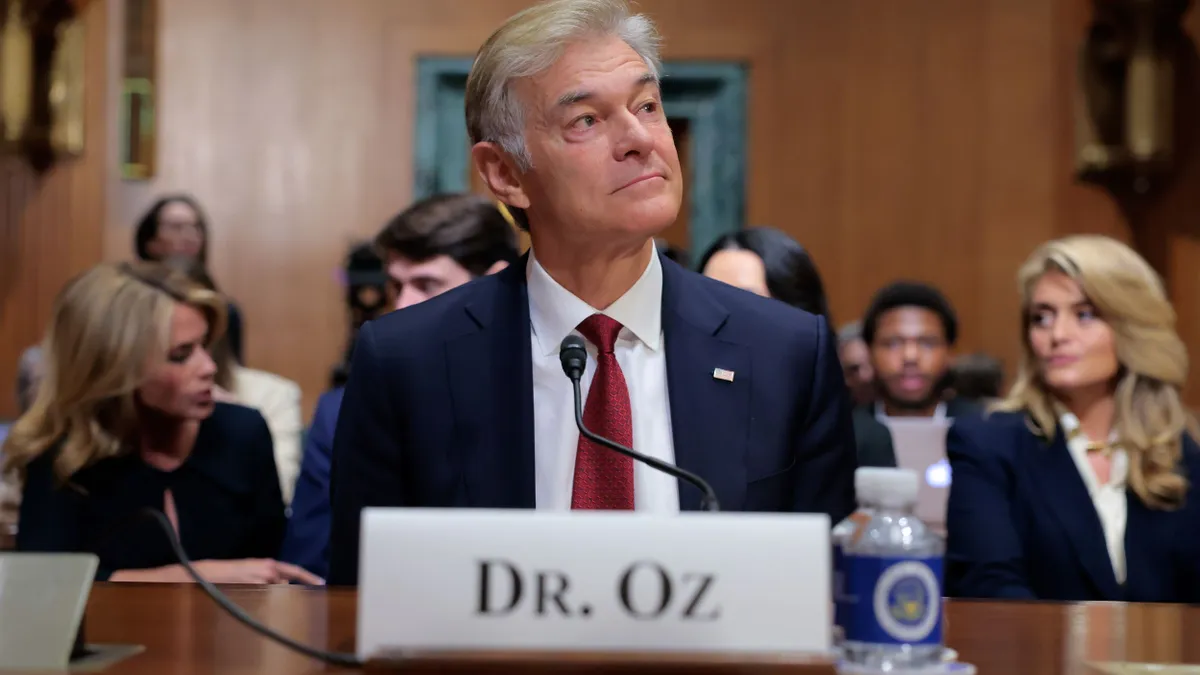
- The Trump administration claimed the program wasn’t necessary anymore. Administrator Dr. Mehmet Oz said premiums would go up by less than $10 for most beneficiaries, and some could see lower payments. “The Biden admin gave BILLIONS of taxpayer money DIRECTLY to Big Insurance Companies. This is unacceptable,” he wrote in a post on X.
Dive Insight:
The IRA, passed in 2022, included a number of changes to prescription prices and coverage, such as caps on out-of-pocket drug spending for Medicare Part D enrollees.
The law also shifted more costs onto Part D insurers, likely leading to higher expenses and premiums. An analysis by the Government Accountability Office found beneficiaries’ monthly premiums would double on average if they stayed in the same plan from 2024 to 2025.
In a bid to keep premiums and enrollment in Medicare steady, the CMS launched the Part D Premium Stabilization Demonstration. In 2025, the program included a $15 uniform cut to the base beneficiary premium, a year-over-year increase limit of $35 and narrowed risk corridors.
The Trump administration previously cut back some aspects of the program. Now, the CMS is ending the program entirely.
The agency said its analysis suggests insurers have had “sufficient experience under the redesigned Part D benefit” to allow them to develop their plan bids going forward.
The end of the demonstration means some enrollees could face higher premium increases next year compared to recent years, though plan-specific amounts aren’t yet clear, Juliette Cubanski, vice president and director of the program on Medicare policy at health policy researcher KFF, wrote on Wednesday.
The CMS also released the average national monthly bid submitted by insurers for 2027 prescription drug plans on Tuesday — $296.05, a 24% increase from last year.
That bid information is used to calculate the base beneficiary premium, or what beneficiaries have to pay, plus the difference between their plan’s bid and the nationwide average bid. Next year’s base premium will be $41.33, up 6% year over year, the maximum amount allowed by law.
The Part D premium change comes as healthcare spending continues to rise — and high costs have become a major political issue for Americans. Drug spending, especially for expensive conditions like cancer and pricey GLP-1s, are a significant driver of growing spending, CMS actuaries say.