Dive Brief:
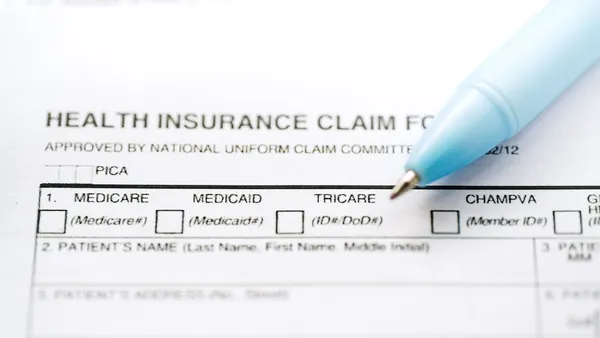
- The U.S. uninsurance rate is increasing as upcoming Medicaid work requirements are expected to further cut coverage, according to a new report from the Commonwealth Fund.
- Around 11% of people in the U.S. are uninsured this year, an increase from 8.9% in 2024, the report revealed.
- The data also showed that healthcare affordability is getting worse — the number of adults who skipped care due to costs increased among those with and without insurance.
Dive Insight:
The Commonwealth Fund, which surveyed over 9,300 adults aged 19-64, also found that almost half of working-age adults have inadequate insurance this year, meaning that they either were uninsured, had a gap in coverage or had unaffordable health coverage.
- I don’t think you need ‘health’ here. You leave it out in ‘gap in coverage,’ too. [AV: not sure whether this edit has been incorporated or discarded, but I agree with it!]
In addition to the 11% of uninsured adults, 12% experienced a gap in insurance coverage this year and 23% are underinsured, according to the report.
These trends coincide with the expiration of the Affordable Care Act premium subsidies and the end of pandemic-era Medicaid coverage protections. Fewer adults are now enrolled in both exchange plans and Medicaid coverage, the report says.
More cuts to Medicaid are coming, which are expected to increase the uninsured rate. Starting next year, Medicaid enrollees will be required to log 80 hours of work, schooling or volunteering to maintain coverage. Paired with more frequent eligibility checks, the first national work requirement program in Medicaid is expected to cause up to 10 million people to lose coverage.
Affordability challenges for all Americans will only get worse with those coverage losses, according to Sara R. Collins, the lead study author and senior scholar at the Commonwealth Fund.
“Stripping insurance from millions of people will deepen an affordability crisis that already leaves too many going without care or paying off medical debt,” Collins said in a press release.
The rise in the uninsured rate could lead more patients to skip care. According to the report, 72% of those without coverage skipped or delayed care due to cost in 2026.
Those cost barriers remain for people with insurance. The proportion of insured or uninsured people delaying or avoiding care due to cost rose from 46% in 2022 to 50% in 2026.
Nearly three-quarters (73%) of survey respondents say it's incumbent upon the federal government to mitigate insurance coverage losses and affordability challenges. Collins said policy change needs to start with Congress.
“Congress can prevent more people from losing coverage by restoring enhanced marketplace premium tax credits and reversing Medicaid cuts," she said. "Without that action, millions of families will face the cost of getting sick with no insurance at all.”