Dive Brief:
- 1 in 5 adults with private insurance report that they or a family member were denied coverage for medical care recommended by a doctor in the past year, according to new research.
- The study, released Thursday by the Commonwealth Fund, found insurance denials before care was provided delayed patients’ treatments and worsened their health problems. Denials after care frequently left patients with unexpected medical bills or threw them into long-term debt.
- The findings are likely to add more fuel to public anger over health insurers’ business practices. Commonwealth Fund researchers urged policymakers to consider strengthening consumer protections, including expanding patients’ right to appeal denials and requiring insurers to publicize denial rates.
Dive Insight:
U.S. insurers are under a harsh spotlight for practices that critics say prevent Americans from getting the medical care they need. Insurers argue that their denial rates for correctly submitted claims are low. Most denials aren’t due to profiteering or malfeasance, but instead due to services being medically unnecessary, not covered by a patient’s plan or billed incorrectly by providers, they say.
However, those arguments don’t hold much water with many Americans. Perceptions about rising rates of denials have resulted in widespread frustration, especially as the cost of health insurance spikes, with patients arguing they’re still not able to access the care they need even if they shell out high monthly premiums for coverage.
The health insurance industry is on defense, with major insurers touting steps they’ve taken to pare back restrictive care reviews. But progress is difficult to track. Insurers don’t share denial rates publicly, and independent research suggests that denial rates are higher than insurers suggest.
Meanwhile, providers report that claims denials are increasing, corresponding with growing insurer uptake of algorithmic tools and artificial intelligence to review claims en masse.
The Commonwealth Fund survey zeroed in on two types of denials — prior authorization denials, which take place before a patient receives care; and claims denials, which taken place after care has already been received. Researchers analyzed responses from nearly 4,600 adults ages 19 to 64 with private insurance, whether through an employer or in the Affordable Care Act marketplaces.
The study found that 13% of respondents experienced a prior authorization denial, while 8% experienced a claims denial. One percent experienced both.
A large share of people experienced detrimental consequences to their health and finances following a denial, the Commonwealth Fund found.
Forty-one percent of people said that prior authorization denials led to delayed care, and 28% reported their medical condition went downhill as a result. Meanwhile, nearly 70% of people said that claims denials cost their households more money, and 43% said the denial caused them to go into medical debt.
Studies showing high denial rates are concerning in light of how many denials are overturned upon appeal, suggesting that care should have been approved in the first place. However, people normally don’t appeal, unsure of their rights or pessimistic about their changes of success.
Only about half of the privately insured adults surveyed by the Commonwealth Fund who had care denied decided to appeal. Of those, more than half ultimately got some form of coverage, either for the care their doctor originally recommended (30%) or an alternative (25%).
One-third of the people who challenged a claims denial had their bill lowered or eliminated altogether.
A core problem is that the rules governing denials and patients’ appeal rights vary widely across different health insurers and insurance markets, researchers said.
“The complexity of the U.S. health care system is leaving many patients and their families caught between their providers and their insurance companies,” Sara Collins, a senior scholar at the Commonwealth Fund and a coauthor of the study, said.
Collins and the other study authors suggested fixes to help people better navigate their coverage and stand up for themselves in event of a denial. That includes allowing patients to appeal in more situations; making denials eligible for review by an independent third party; standardizing prior authorization procedures across health plans; and requiring insurers to explain coverage decisions and a patient’s appeal rights in plain language.
Policymakers could also improve transparency by expanding public reporting requirements on claims denials and appeals, and restore federal funding for consumer assistance programs, the study suggests.
“When oversight overrides clinical judgment without good reason, quality of care and patient safety suffer, and that demands a policy response,” Dr. Joseph Betancourt, the president of the Commonwealth Fund, said.
Betancourt’s appeal is likely to fall on open ears in Washington, as lawmakers debate reforms to improve healthcare access and affordability, key issues for voters in advance of November’s midterm elections.
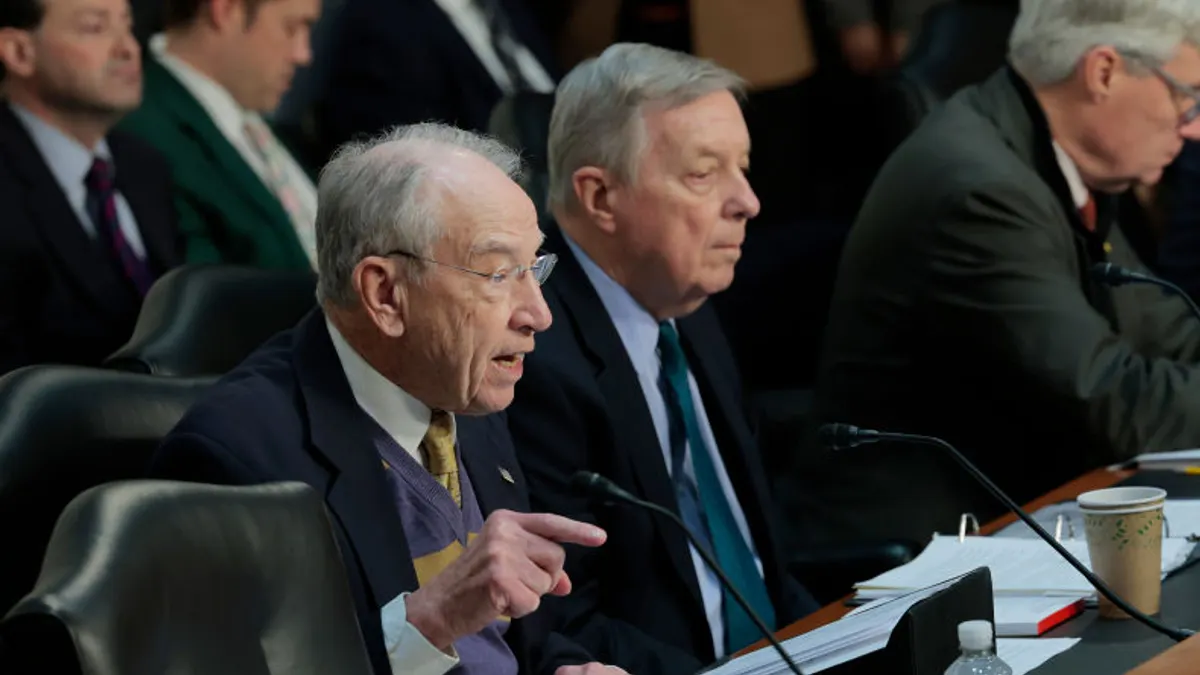
Congress has held numerous hearings on covergage denials in recent years, including one earlier this year where lawmakers on both sides of the aisle dragged insurance executives to the Hill and grilled them about their claims review processes.