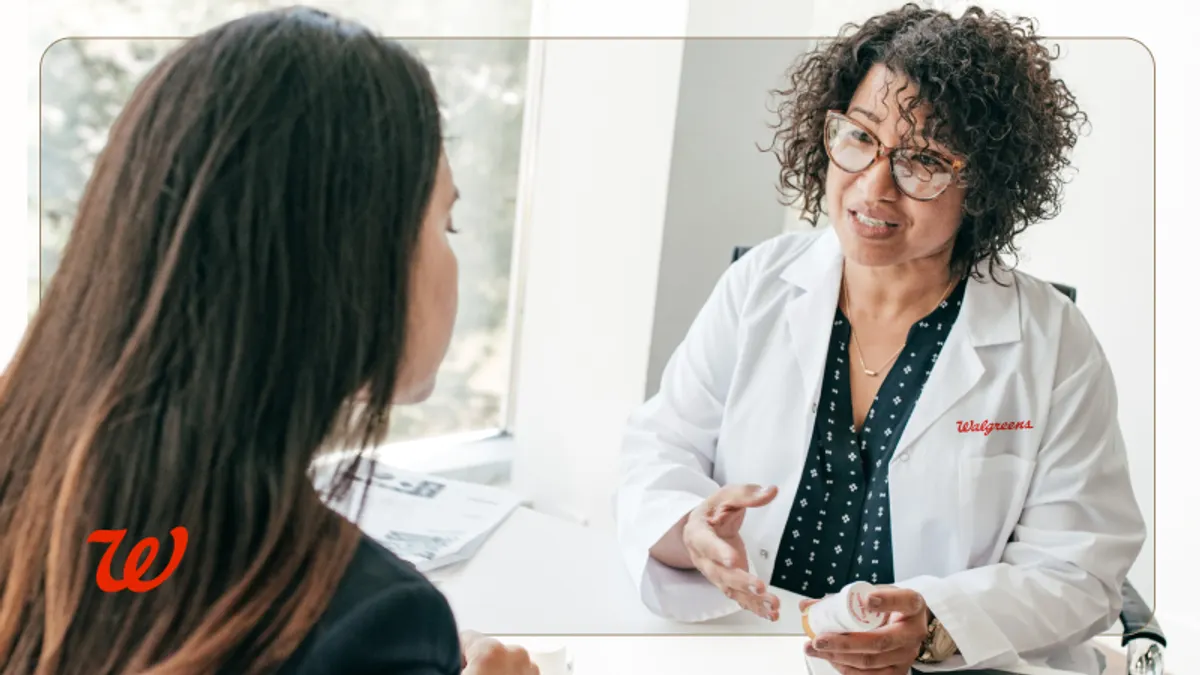

Advances in medicine have shifted oncology care beyond the traditional one-size-fits-all model of chemotherapy and radiation managed in the clinic. Patients are increasingly navigating more complex treatment regimens, often at home, while making care decisions outside of doctor visits.
This could mean a leukemia patient taking an oral therapy at home on top of managing a complicated dosing schedule around appointments. Or a lung cancer patient balancing treatment alongside diabetes and high blood pressure medications that make side effects harder to control.
As treatments become more personalized and patient-led, helping patients stay on therapy and achieve the best possible outcomes requires holistic, integrated support across care.
“Patients aren’t just their cancer condition,” said Laly Havern, director of clinical pharmacy strategy, oncology at Walgreens Specialty Pharmacy. “They may be struggling with other conditions or have financial barriers, and we’re focused on the whole patient to meet their unique needs.”
Walgreens Specialty Pharmacy achieves 92% medication adherence1 compared to an 80% industry benchmark, helping more patients stay on therapy despite the financial, clinical, and day-to-day challenges surrounding cancer care.
Getting there takes more than filling a prescription. It takes showing up every day—in the conversations, the check-ins, the moments between appointments—and turning those interactions into smarter, more personalized care.
At Walgreens Specialty Pharmacy, the Specialty360 model combines oncology-trained pharmacists, nurses, dietitians, and benefits specialists to support patients throughout treatment, tailoring care to the specific therapy, other health conditions, and personal goals. Every interaction informs the next by building a personalized picture of what each patient needs to stay on therapy and thrive. With a multichannel network that includes central and community-based specialty pharmacies (260+ locations), alongside 8,000 retail sites, patients have access to connected, expert support as they need it.
Before Treatment Begins
From the start, Walgreens oncology care teams work one-on-one with patients to understand their treatment history, comorbidities, financial concerns, and other factors that can create barriers to getting started on treatment.
“Our care programs are developed on both the medication and disease level,” said Darren McLane, senior director, clinical services at Walgreens Specialty Pharmacy. “Every drug comes with its own financial support model, administration requirements, and side effect profile. Our teams are built to anticipate those needs early so patients aren’t navigating those complexities alone.”
Walgreens Specialty Pharmacy billing teams, reimbursement specialists, and pharmacists begin coordinating shortly after the prescription is received, helping oncology clinics complete prior authorizations, navigate reimbursement requirements, and address other administrative hurdles that can delay treatment.
However, even after treatment is approved, cost can be a major barrier.
“It doesn’t do the patient any good to get a same-day drug with a $500 copay if taking an extra day could reduce that cost to zero,” said Havern.
To help reduce out-of-pocket costs for high-cost cancer therapies, Walgreens Specialty Pharmacy combines financial specialists with digital support platforms such as TailorMed to help identify copay assistance programs, grants, foundation support, and other financial resources.
In 2024, that support translated into real relief: 56% of Walgreens Specialty Pharmacy patients paid $0 out of pocket for both their cancer therapy and other conditions.2
Guiding Patients Through Complex Care
For many patients with cancer, treatment comes with a steep learning curve: complicated dosing schedules, infusion appointments, and side effects.
As more of that care shifts to the home, the need for education and ongoing support has never been greater, said Sarah Schmidt, an oncology pharmacist at Walgreens Specialty Pharmacy based at a community site in Wauwatosa, Wisconsin.
“With all of our oncology patients, we have very regular touch points,” said Schmidt. “From their first onboarding with a medication, we do a thorough review of it and help them understand what to expect.”
Many oncology therapies involve cycled dosing schedules that must be coordinated alongside infusion appointments. “We’re constantly helping patients understand where they are in their cycle,” said Schmidt. “We’ll make calendars that we send home with patients so they can check off their days as they take them.”
Her teams also provide medication-specific educational materials tailored to the risks associated with certain medications, including guidance on recognizing blood clots and managing nausea, and other side effects.
Regular touch points also help patients proactively manage side effects and get support before symptoms become harder to manage. Walgreens Specialty Pharmacy screens 100% of oncology patients for treatment-related symptoms during every consultation, including side effects like nausea and vomiting, and works closely with providers to ensure those symptoms are promptly addressed. Of those screened, 47% reported not having an antinausea medication prescribed to them, despite clinical guidelines recommending one.3 Caregivers are often included in these early consultations, with introductory calls sometimes happening over speakerphone so spouses, adult children, or other family members can better understand treatment expectations and side effect management.
“We truly are an extension of their team,” said Schmidt.
Supporting the Whole-Patient Experience
Cancer care today extends far beyond the therapy itself.
For Walgreens Specialty Pharmacy teams, whole-patient support starts with truly listening to what matters most to each individual. “For some patients, the hope is a cure,” said Havern. “For others, it’s being able to be present at a meaningful moment—like attending their son’s wedding in five months.”
Some patients need to travel long distances to receive care at specialized cancer centers, creating additional challenges around transportation, temporary housing, and time away from family. Walgreens Specialty Pharmacy teams can help connect patients with support resources, including housing programs near treatment centers.
Many patients with cancer also experience mental health challenges, including anxiety and depression. Walgreens teams conduct ongoing depression screenings and coordinate with providers if additional emotional support may be needed.
For people managing visible side effects from chemotherapy and radiation, such as skin changes or hair loss, the Feel More Like You® service connects them with beauty and wellness consultants at Walgreens retail locations, who can recommend products vetted as safe during cancer treatment.
Nutrition has also become a growing focus area as many oncology therapies can affect appetite and eating habits.
“A lot of our therapies, especially in oncology, may change your taste or even just change what you can be eating,” said McLane.
To help address those challenges, Walgreens Specialty Pharmacy recently launched a dietitian program that connects patients with nutrition support tailored to oncology-related side effects and treatment needs.
For younger patients, treatment can also raise difficult questions around fertility and future family planning. Walgreens Specialty Pharmacy tracks whether new-to-therapy patients have had these conversations and can coordinate same-day fertility consultations when needed. It’s a gap that matters: roughly 20% of patients had not discussed fertility options before their care team stepped in.4
“Our goal here is not to delay therapy,” Havern said, “but to ensure patients feel informed, supported, and empowered to make choices that align with their goals—including preserving the possibility of building the family they envision in the future.”
The Everyday Work Behind Extraordinary Outcomes
As oncology care becomes increasingly personalized and home-based, the support surrounding treatment is becoming just as important as the treatment itself. Behind every industry-leading outcome at Walgreens Specialty Pharmacy is a team showing up in the everyday moments that matter most to patients.
To learn more about how Walgreens Specialty Pharmacy supports patients through every step of their cancer journey, visit us online.
Sources
1 Walgreens internal data.
2 January 1, 2024 - June 30, 2024. Walgreens Specialty Pharmacy internal reporting, K. Khan, July 15, 2024.
3 Walgreens internal data.
4 Walgreens internal data.