UnitedHeath, the largest health insurer in the U.S., plans to return profits made in the Affordable Care Act exchanges this year back to its customers.
The news, buried in written testimony CEO Stephen Hemsley plans to make in front of Congress tomorrow, comes as legislators in Washington consider policies to make healthcare more affordable — some of which could eat into the profits enjoyed by private health insurance companies.
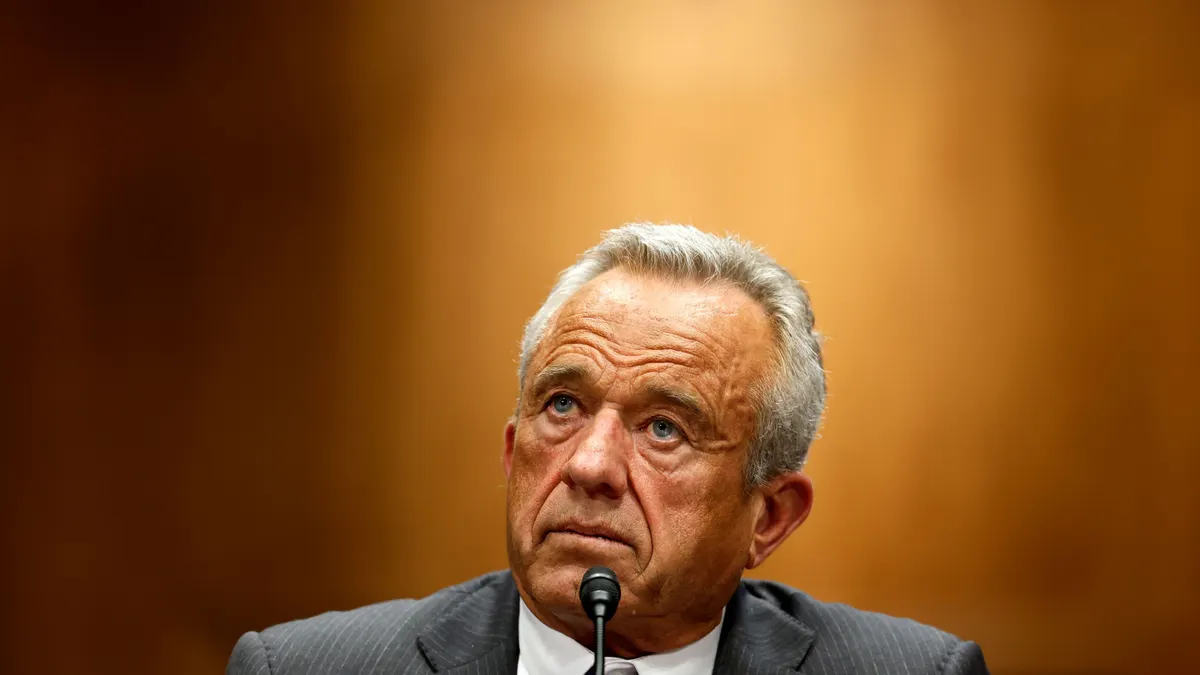
“Though UnitedHealthcare is a relatively small participant in the individual ACA market, we will voluntarily eliminate and rebate our profits this year for these coverages, as Congress continues to work toward more long-term solutions,” Hemsley wrote in prepared testimony he will make at a House Energy and Commerce subcommittee hearing on Thursday.
It’s difficult to forecast how the pledge will affect UnitedHealth’s earnings. The company does not break out results for its ACA business specifically. But in 2026, the company expects to report “low single digit” margins in its ACA exchange division, CFO Wayne DeVeydt said in a November investor conference, suggesting the earnings impact from the ACA rebates — if there is one — will be minimal.
The ACA also makes up a relatively small slice of UnitedHealthcare’s membership. The insurer expects to cover roughly 1 million Americans in ACA plans this year. In comparison, the largest marketplace insurer, Centene, had about 6 million ACA enrollees in 2025.
A spokesperson for the $400 billion healthcare conglomerate did not share details, including how much money UnitedHealthcare expects to send to its members and whether all ACA enrollees or just subsidized members will receive it.
“While we are still working on the details, we intend to return this money to ACA members,” the UnitedHealth spokesperson said over email. “We look forward to continuing to work with CMS and Congress as they consider policy options to strengthen the stability, affordability, and sustainability of these plans for consumers.”
The news follows a slew of promises from insurers last year to reform unpopular business practices after the December 2024 killing of UnitedHealthcare CEO Brian Thompson, which appears to have been motivated by anger over insurers. It also comes as insurance conglomerates attempt to avert policymakers’ ire in advance of two highly anticipated hearings on the Hill.
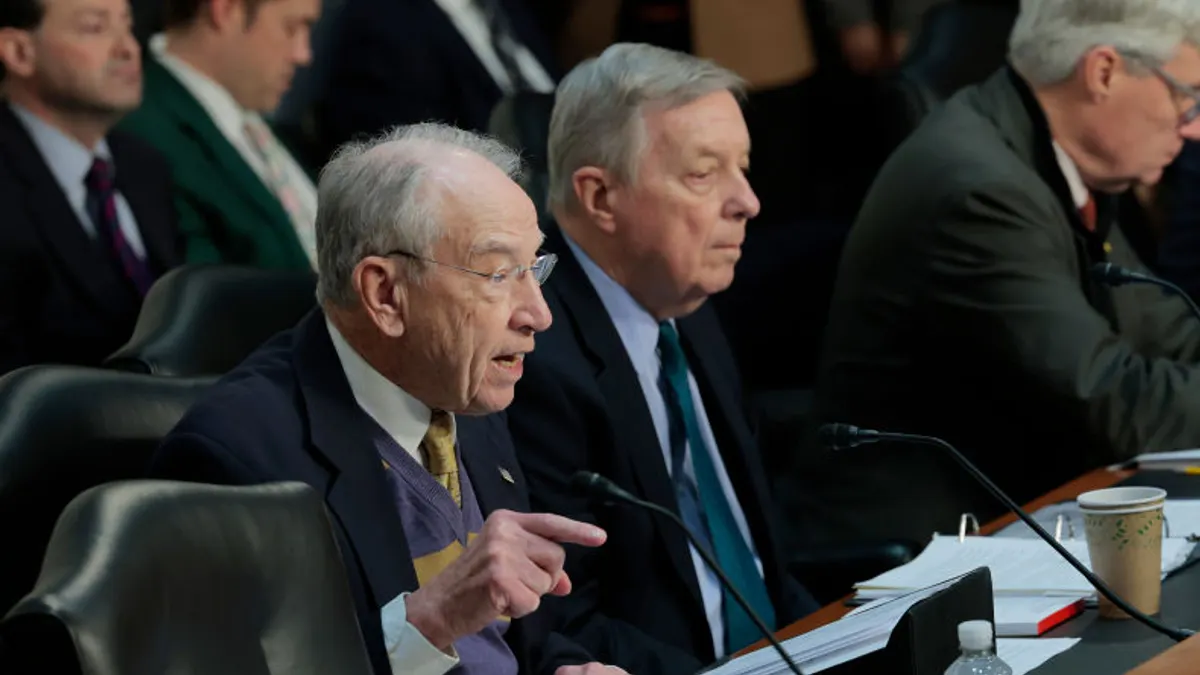
Chief executives for UnitedHealth, Cigna, Elevance and CVS are set to testify in front of the Energy and Commerce Committee’s Health Subcommittee and the Ways and Means Committee.
Market watchers expect the CEOs to be grilled by lawmakers on both sides of the aisle, from Democrats long angry with what they see as excessive profits on the part of health insurers and Republicans worried about voter pushback to the loss of federal assistance for healthcare.
Bringing down the cost of healthcare is a perennial problem for the U.S. as costs for medical services and drugs continue to rise. However, the issue is especially charged now after more generous subsidies for ACA plans expired at the end of 2025, setting some 20 million subsidized Americans up for steep premium hikes this year. Roughly 4 million people are expected to go uninsured as a result.
Along with Congress, insurers are also facing pressure from the White House. President Donald Trump has urged payers to drop their prices and said he plans to meet with major CEOs to negotiate reform. And last week, the president released his “Great Healthcare Plan,” a blueprint that Trump says will save Americans money by funneling taxpayer dollars into health savings accounts, cementing “Most Favored Nation” deals with drugmakers and other priorities.