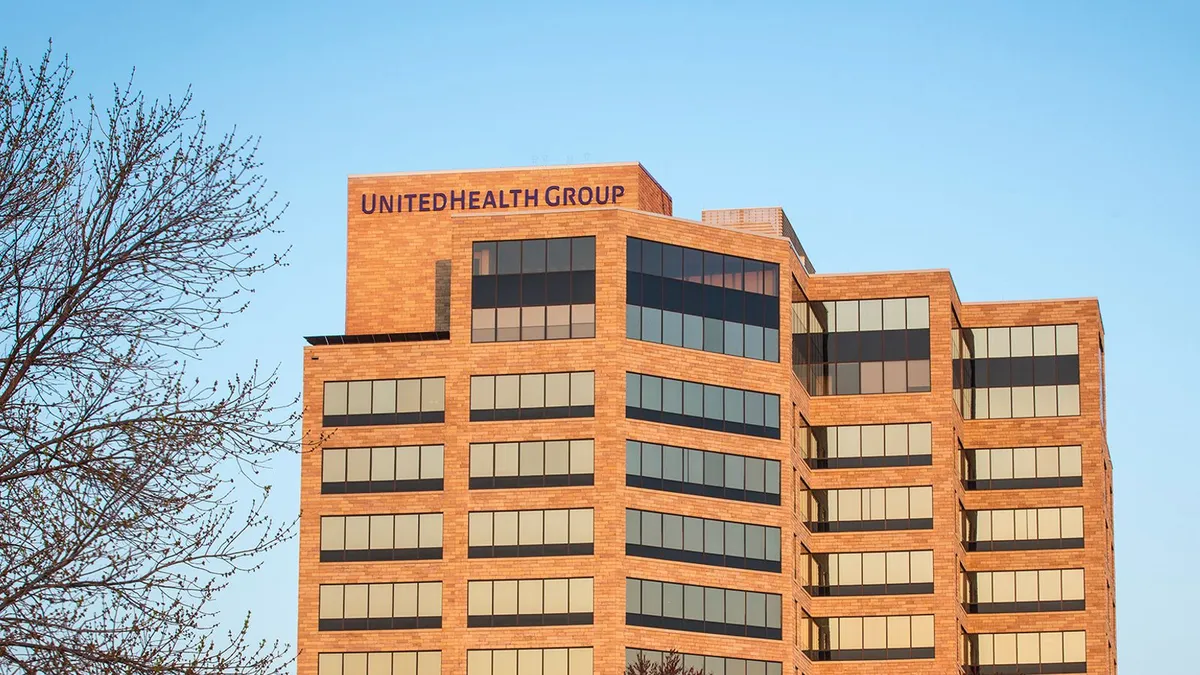
UnitedHealth has pledged to make a range of improvements in response to the first outside reviews of its business practices as the healthcare behemoth works to improve waning consumer trust.
The independent analyses, completed by FTI Consulting and the Analysis Group in November and released on Friday, didn’t find a smoking gun that UnitedHealth is leveraging its control of the industry in order to inflate profits, as some critics allege.
However, the reviews did point to ongoing problems in three heavily scrutinized areas: UnitedHealth’s Medicare Advantage risk assessment and coding, UnitedHealthcare’s care review and approval processes, and how pharmacy benefit manager Optum Rx passes drug discounts along to its clients.
UnitedHealth CEO Stephen Hemsley initiated the external audit shortly after stepping into the chief executive role this spring, as health insurers attempt to rebuild its relationship with the American public amid rising backlash over frequent care delays and denials.
“We know that our actions and decisions have significant impacts on patients, care providers and the broader health system, and we are determined to hold ourselves to the highest standard,” Hemsley wrote in letter released along with the results of the independent reviews.
UnitedHealth cast the results as a much-needed step towards greater transparency, and outlined 23 specific “action plans” it will complete by the end of March to implement recommended reforms.
MA risk adjustment
The analyses zeroed in on areas where the company has found itself under fire from patients, lawmakers and regulators over the past few years. Generally, FTI Consulting and the Analysis Group found UnitedHealth’s policies were robust and compliant with industry standards, but also recommended numerous actions the company could take to streamline processes and communicate its operations better to the public.
When it comes to risk assessment in the privatized Medicare program, FTI said UnitedHealthcare and Optum document their operations well, perform necessary oversight and are able to revise policies in response to any changes from the CMS.
However, UnitedHealth could better clarify how its risk assessment policies work, according to the Washington, D.C.-based consultancy.
“Certain materials appeared to be in either draft form or did not contain evidence of being reviewed within the past year,” while it’s not always clear what policies apply to which UnitedHealth divisions, FTI said in its report.
Meanwhile, though Optum’s internal coding practices are consistent with the ICD-10, a standardized system used to code medical conditions, and its related rules, they could be better organized, FTI said. UnitedHealthcare could also better document its oversight of risk adjustment operations, according to the consultancy.
In response, UnitedHealth said it would review its risk assessment policies at least once a year, and enhance its governance structures over policy oversight, compliance monitoring and risk assessment.
The company also plans to share results of a review of its HouseCalls program in the first quarter. Critics slam HouseCalls, in which clinicians perform an in-home assessment of a Medicare member’s health needs, as a key pathway enabling UnitedHealthcare to upcode.
UnitedHealth is currently facing criminal and civil investigations by the Department of Justice into its Medicare billing practices. Research suggests the company is inflating the risk scores of its MA beneficiaries to garner higher reimbursement from the federal government, though UnitedHealth denies the allegations.
Utilization management; drug discounts
UnitedHealthcare has also faced significant criticism for onerous utilization management policies. Insurers say the practices, such as prior authorizations or post-care reviews, are important guardrails to prevent unnecessary or costly medical care. However, doctors and patients argue they clutter the medical delivery system with red tape and can worsen health outcomes.
FTI also analyzed UnitedHealthcare’s utilization management practices by reviewing 62 regulatory audits of the company over the past two years. Though UnitedHealthcare’s Medicaid and commercial plans are fully compliant with the highest external standards for care management, there are steps the payer could take to improve, FTI said.
For example, how UnitedHealthcare responds to audits isn’t standardized, and the payer didn’t take documented corrective action in 9 of the 62 audits reviewed, FTI said.
Similarly, the payer’s quality management seems focused on maintaining external accreditation instead of actual quality improvement for utilization management, which could “give the incorrect appearance, especially to outside stakeholders, of a lack of coordinated quality improvement activities related to utilization management,” the consultancy wrote in its report.
In response, UnitedHealth said it would create a tracking and monitoring process for audit findings, including formal due dates, escalation protocols and reconciliation of external quality review reports to internal tracking.
Meanwhile, the Analysis Group looked into how Optum Rx, UnitedHealth’s PBM and one of the “Big Three” drug middlemen in the U.S., collect discounts on drugs from manufacturers and pass them through to clients.
PBMs are increasingly reforming their rebating practices amid scrutiny from lawmakers concerned the companies are prioritizing access to high-cost drugs to drive up rebates and retaining more of the savings as profit.
The Analysis Group’s review found “no deficiencies or need for corrective measures,” but did recommend ways Optum Rx could improve its practices, including reviewing audits initiated by clients and refining escalation processes for any disputes.
Optum Rx said it would improve escalation protocols, while enhancing reporting clarity over discount exclusions and automating “high-volume, low-complexity” processes.
The reviews come amid Hemsley’s larger crusade to revamp UnitedHealth’s image after taking the reins from former CEO Andrew Witty in May. It’s seemingly a Sisyphysian task, given the regulatory and legislative spotlights fixed on UnitedHealth and the company’s control over multiple areas of the complex and confusing healthcare sector.
UnitedHealthcare, for one, is the largest private insurer in the U.S. and has therefore received the lion’s share of the rising animus against health insurers. The insurer’s CEO, Brian Thompson, was gunned down in Manhattan a little more than one year ago, a killing that appears to have been motivated by anger against health insurers. The event kicked off a reckoning for payers and led major carriers to commit to a series of voluntary reforms this year.
Along with committing to an independent review in July, Hemsley has also formed a new board committee to “monitor and oversee financial, regulatory and reputational risks” as the healthcare juggernaut tries to improve its standing.
Despite the measures, UnitedHealth’s stock is down more than 35% year to date, pressured by worsening public sentiment and regulatory overhang from the DOJ investigations, but also the ramifications of a massive cyberattack last year and elevated costs in insurance division derailing profitability forecasts.