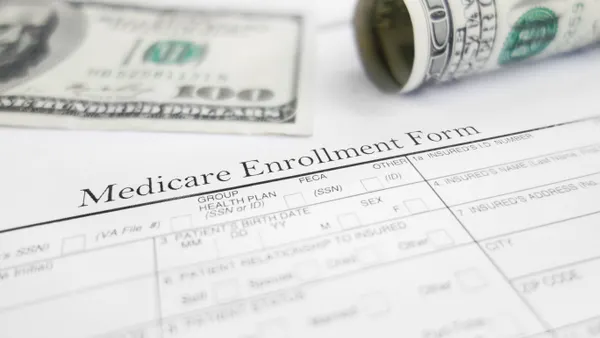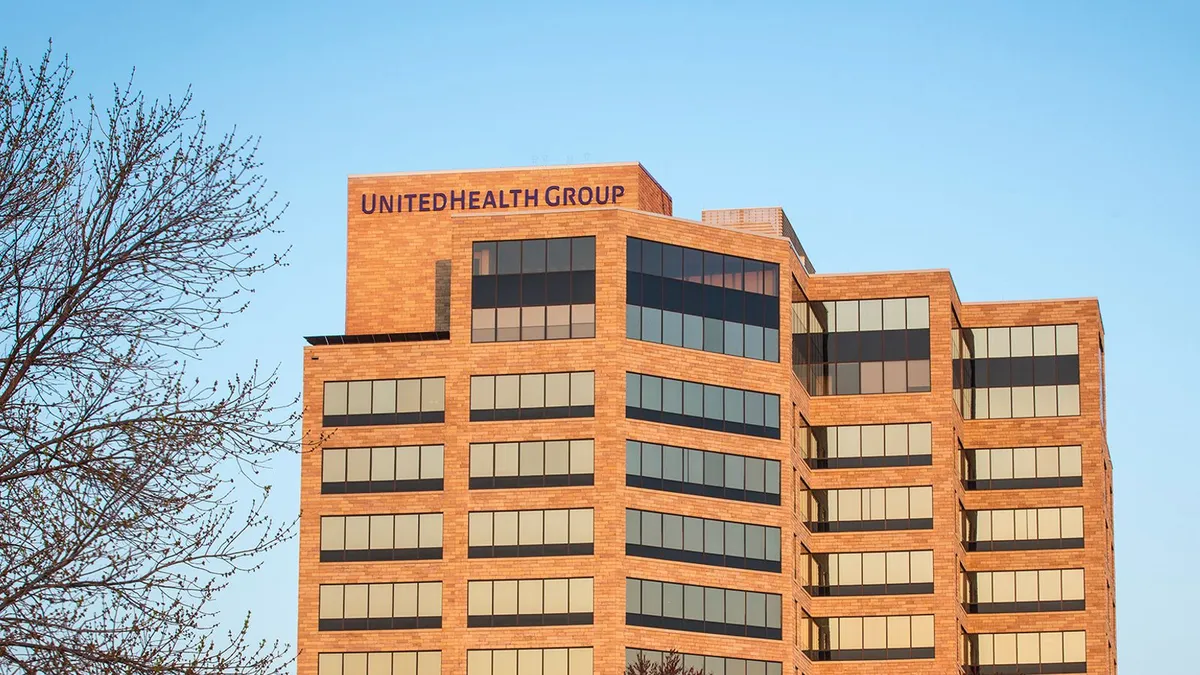
UnitedHealth is aggressively gaming Medicare Advantage to inflate its reimbursement from the federal government, according to a Senate committee investigation.
That includes by sending nurses to enrollees' homes to conduct health risk assessments, employing coders to review medical records and incentivizing external providers to assess for certain conditions — all activities that allow UnitedHealth to capture more diagnoses and maximize risk scores, the report released Monday found.
The findings, based on a review of 50,000 records that UnitedHealth shared with the Senate Judiciary Committee, builds on past research and media reports of the company upcoding in the privatized Medicare program.
In Medicare Advantage, the federal government pays private insurers a set amount for managing the care of seniors and disabled enrollees, with the goal of motivating payers to better control medical costs in order to keep any savings.
To prevent insurers from cherrypicking healthy Medicare enrollees, the government pays extra for sicker members. Regulators account for this difference in payment through a process called risk adjustment, which factors in member diagnoses among other metrics to determine how much more funding an insurer receives.
But as a result, insurers are also incentivized to inflate the sickness of their members, whether by finding additional diagnoses members might not even be receiving treatment for or inflating the severity of conditions members actually have.
Most major MA insurers have been accused of upcoding. But none more so than UnitedHealth, the $400 billion healthcare giant that owns the largest MA insurer in the country, UnitedHealthcare, which covers more than 8 million MA enrollees.
UnitedHealth has “turned risk adjustment into a major profit centered strategy, which was not the original intent,” the new report from Sen. Chuck Grassley, R-Iowa, says.
Grassley launched the probe in February. Since then, UnitedHealth has turned tens of thousands of pages of training materials, internal policies, software documentation and audit tools over to the Senate Judiciary Committee, the senator said.
A review of the corpus shows that UnitedHealth strategically captured a higher number of diagnoses and diagnosis codes than any other MA insurers — also resulting in higher CMS reimbursement than any of its peers, according to Grassley, who leads the Judiciary Committee.
“My investigation has shown UnitedHealth Group appears to be gaming the system and abusing the risk adjustment process to turn a steep profit,” Grassley said in a statement.
A UnitedHealth spokesperson said the company disagrees with the report’s characterization of its MA coding practices.
UnitedHealth programs comply with CMS requirements and have been shown to adhere to regulatory standards in government audits, they said.
“We remain focused on continuing to deliver lower costs, better access and higher quality care for the people we serve, including those in Medicare Advantage,” the spokesperson added.
Grassley’s report, however, argues that UnitedHealth oversees a workforce specifically targeted at capturing more MA diagnoses. That includes through direct employment — nurses it deploys to patients’ homes to review their health statuses, coders that conduct secondary chart reviews to identify unlisted conditions — and indirect influence. UnitedHealth pays external providers to assess patients for certain diseases, and many physicians code through diagnosis workflows controlled by the company, according to the report.
This workforce is backed by sweeping data and technology assets and expertise that allows UnitedHealth to identify untapped opportunities to further inflate risk scores, Grassley said.
That includes staying up to date on diagnoses that can be made based on probability rather than actual testing, or diagnoses that can be applied based on the existence of a related diagnosis.
For example, UnitedHealth guides providers to diagnose patients who take prescribed opioids as physically dependent on the drugs, even if they haven’t experienced withdrawal symptoms and are taking the opioids as recommended, according to the report. That allows the company to capture certain codes for opioid dependence that should only apply to moderate or severe opioid use disorder.
Similarly, UnitedHealth tells providers to diagnose dementia without a full dementia evaluation, atrial fibrillation when patients are on certain drugs without checking whether they were actually prescribed for atrial fibrillation, and chronic obstructive pulmonary disease without a standard lung function test, according to the report.
UnitedHealth is currently facing civil and criminal investigations by the Department of Justice, including over its Medicare billing practices. The DOJ’s probe, which the company disclosed in July, intensified the spotlight on the Minnesota-based healthcare giant — and on MA, which, despite its popularity among America’s seniors, has faced bipartisan scrutiny for its cost and care restrictions.
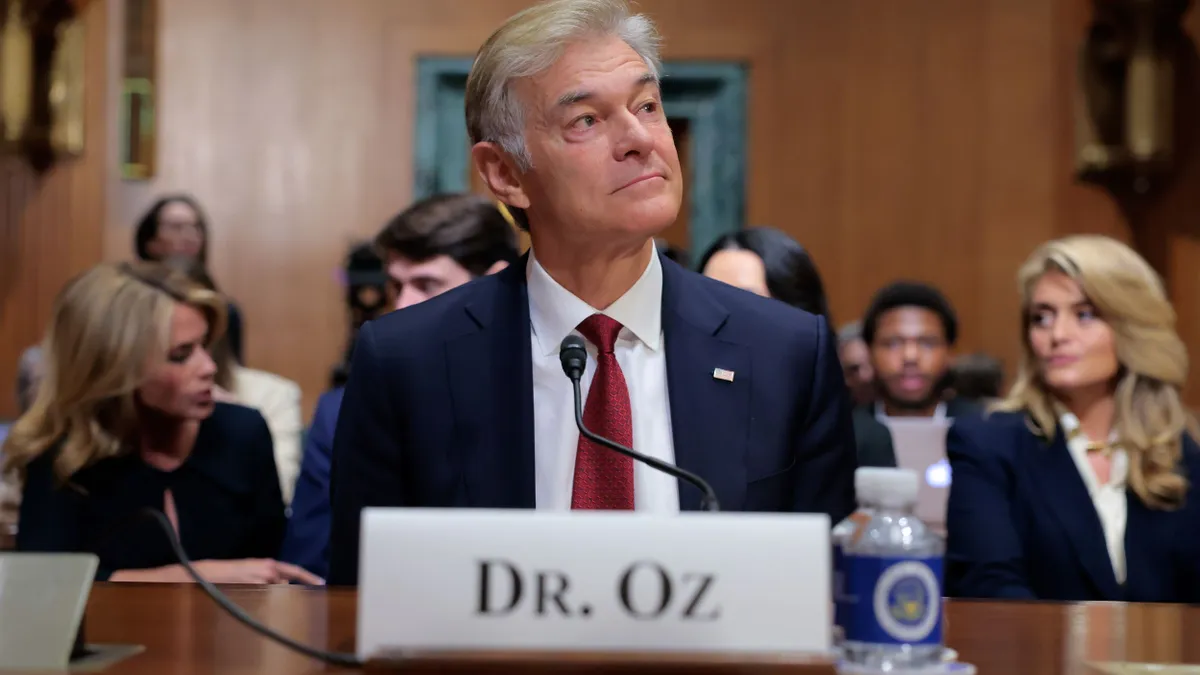
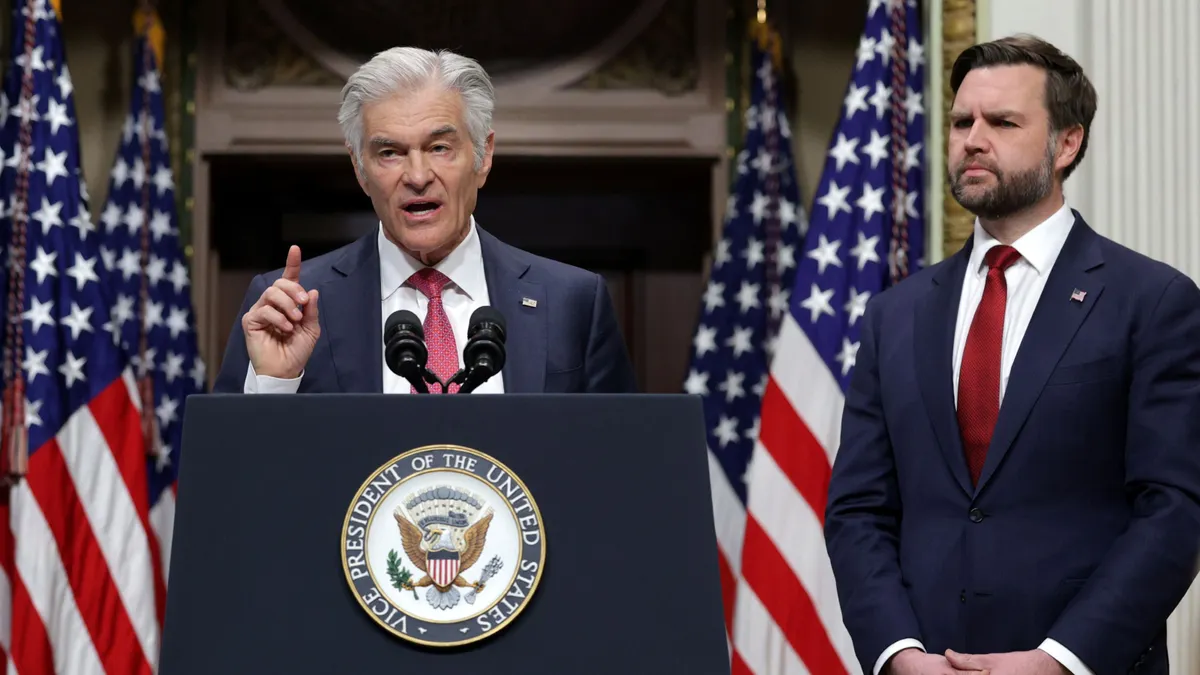
CMS Administrator Dr. Mehmet Oz has said he wants to crack down on inflated risk adjustment in MA. If the administrator does so, he would build on efforts from Oz’s predecessors in the Biden administration, which stopped paying extra for more than 2,000 diagnosis codes shown to be at risk of upcoding.
The Biden administration’s risk adjustment changes contributed to disappointing results for MA payers in the past year, including UnitedHealth. The company saw its stock plummet in April after posting dismal first-quarter results, and its value hasn’t recovered since.
In an effort to regain investor confidence and improve its relationship with the public, UnitedHealth has updated its executive team, reshaped its board and launched a full-throttle review of its business practices. Still, widespread discontent with health insurers doesn’t appear to be abating, with President Donald Trump saying he plans to meet with major payers to discuss affordability.
Meanwhile, five of the biggest health insurance company CEOs — including UnitedHealth chief executive Stephen Hemsley — are scheduled to be grilled by the House Ways and Means and Energy and Commerce committees on Jan. 22.