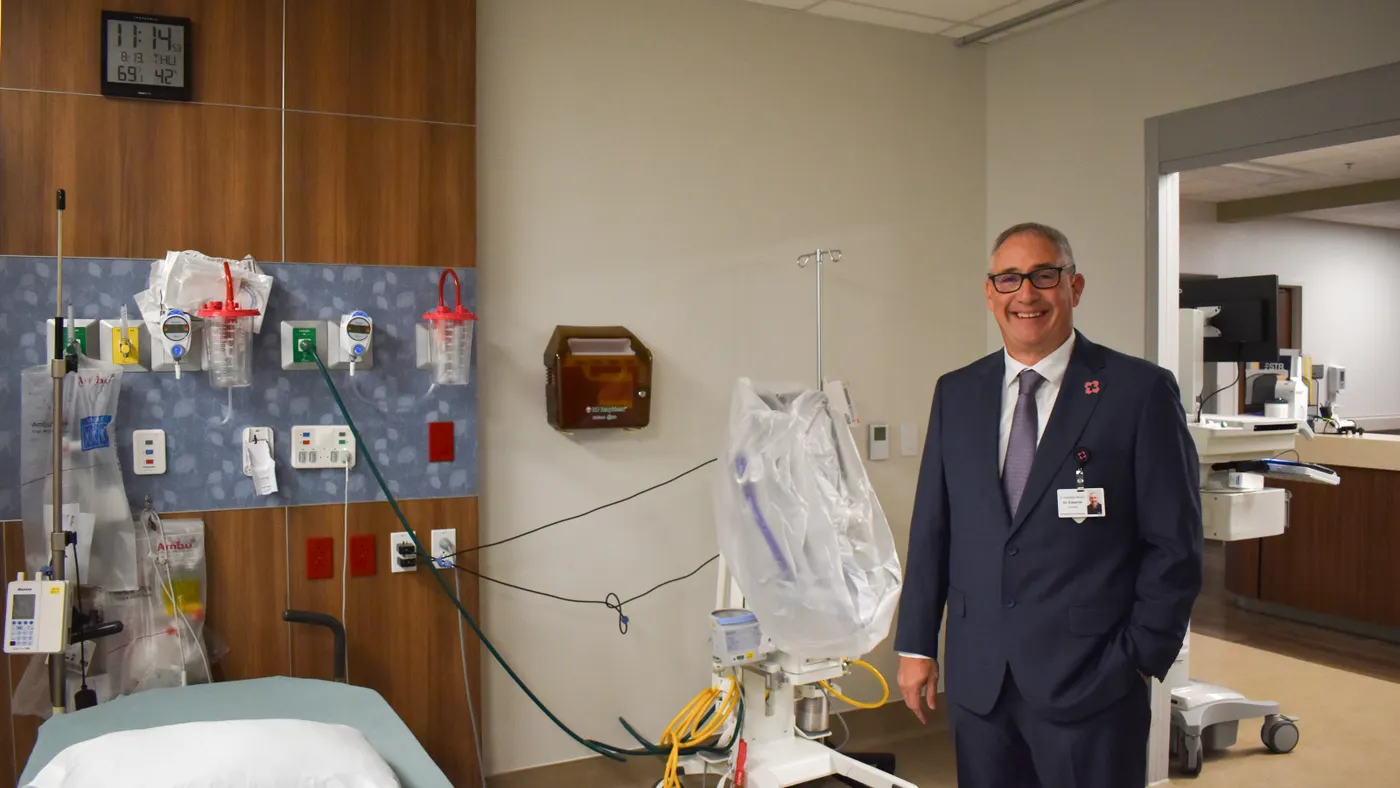
WHITE HALL, W.Va. — It was a busy Thursday morning at the strip mall in White Hall, West Virginia. Once the sprawling grounds of Middletown Mall, the state’s first shopping mall before it shuttered in 2017, customers shuffled under a searing August sun between stores like Michaels, Five Below, Ace Hardware and Tractor Supply.
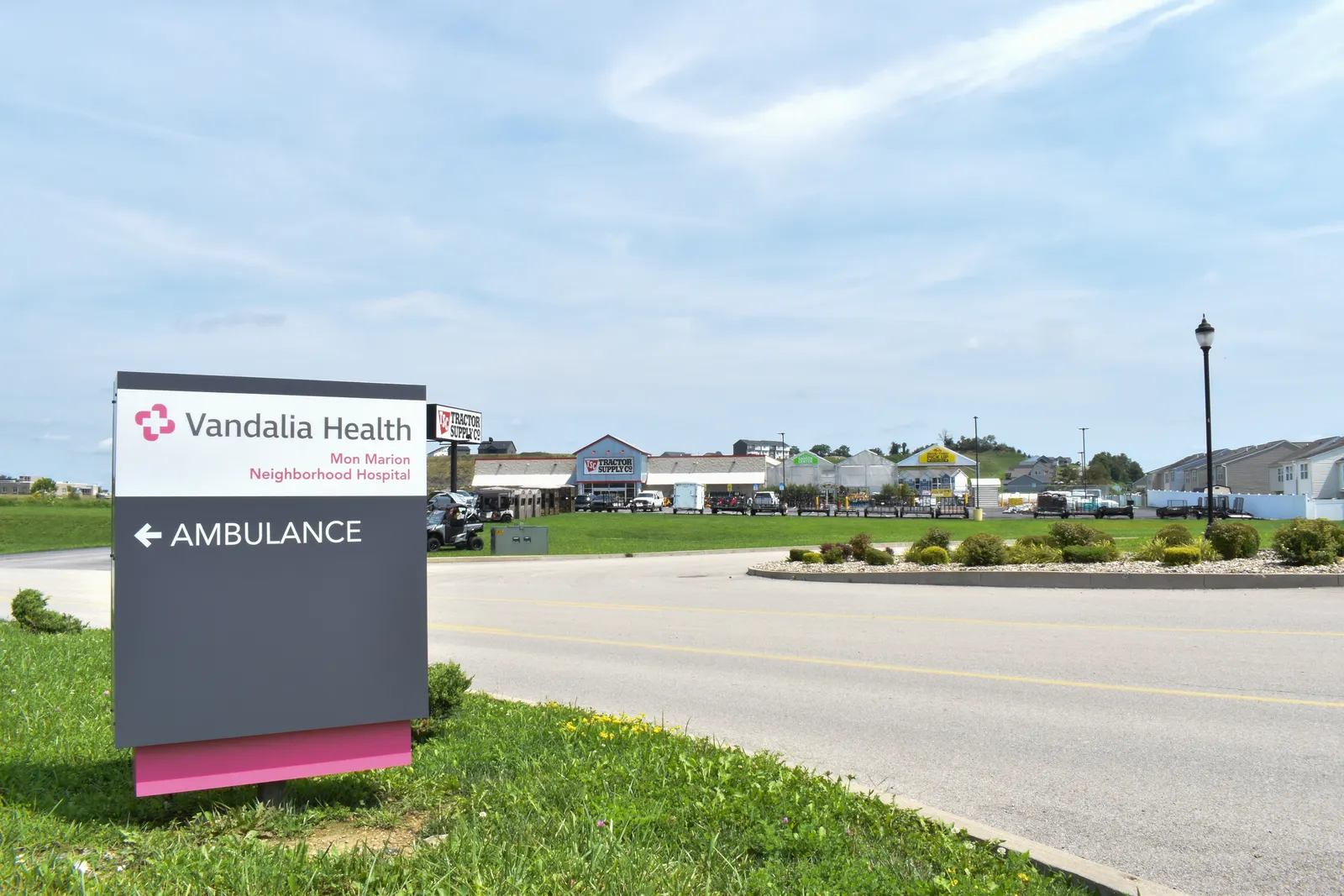
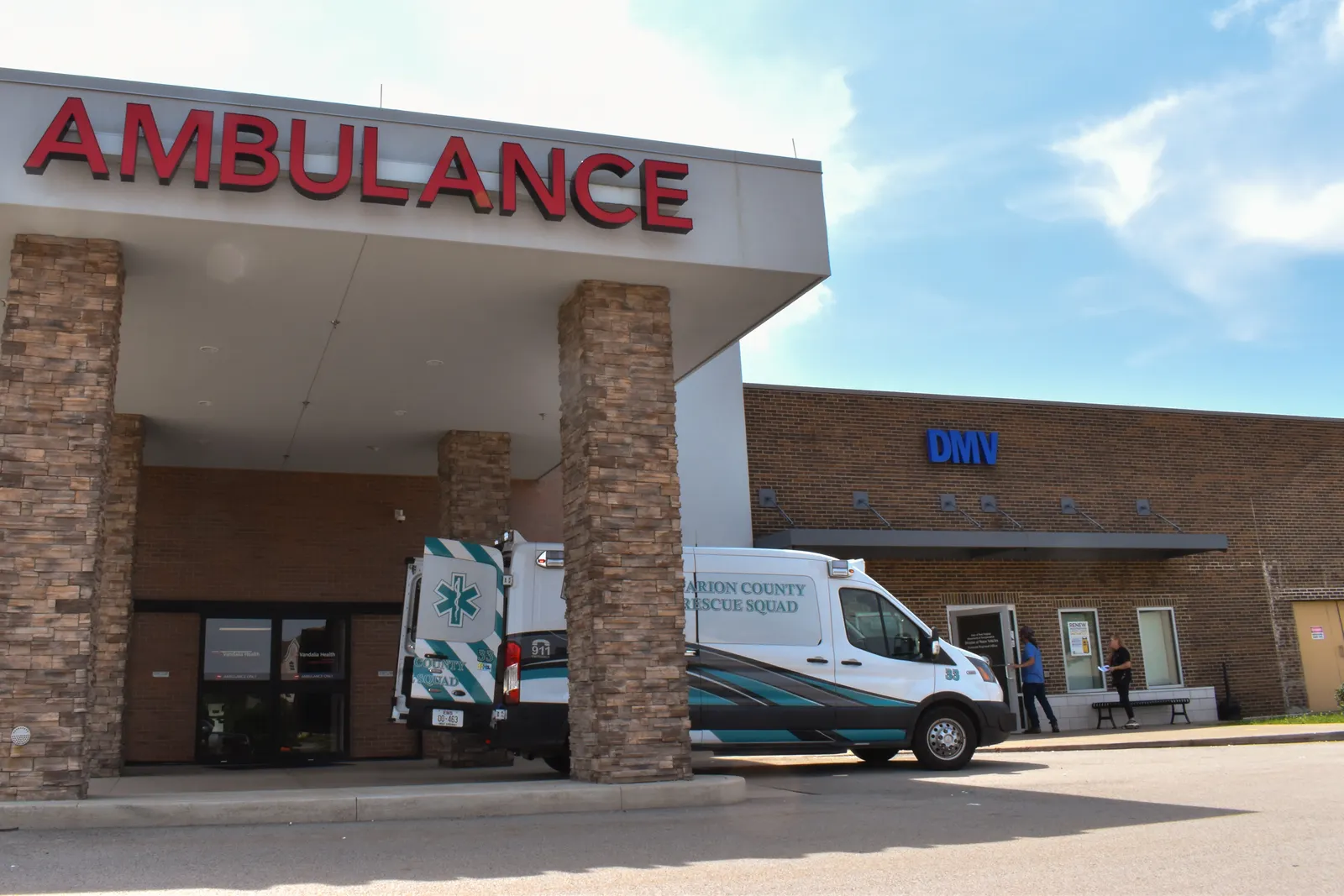
You’d be forgiven for overlooking the catty-cornered building sandwiched between the Department of Motor Vehicles and across the two-lane road from the Italian pizzeria.
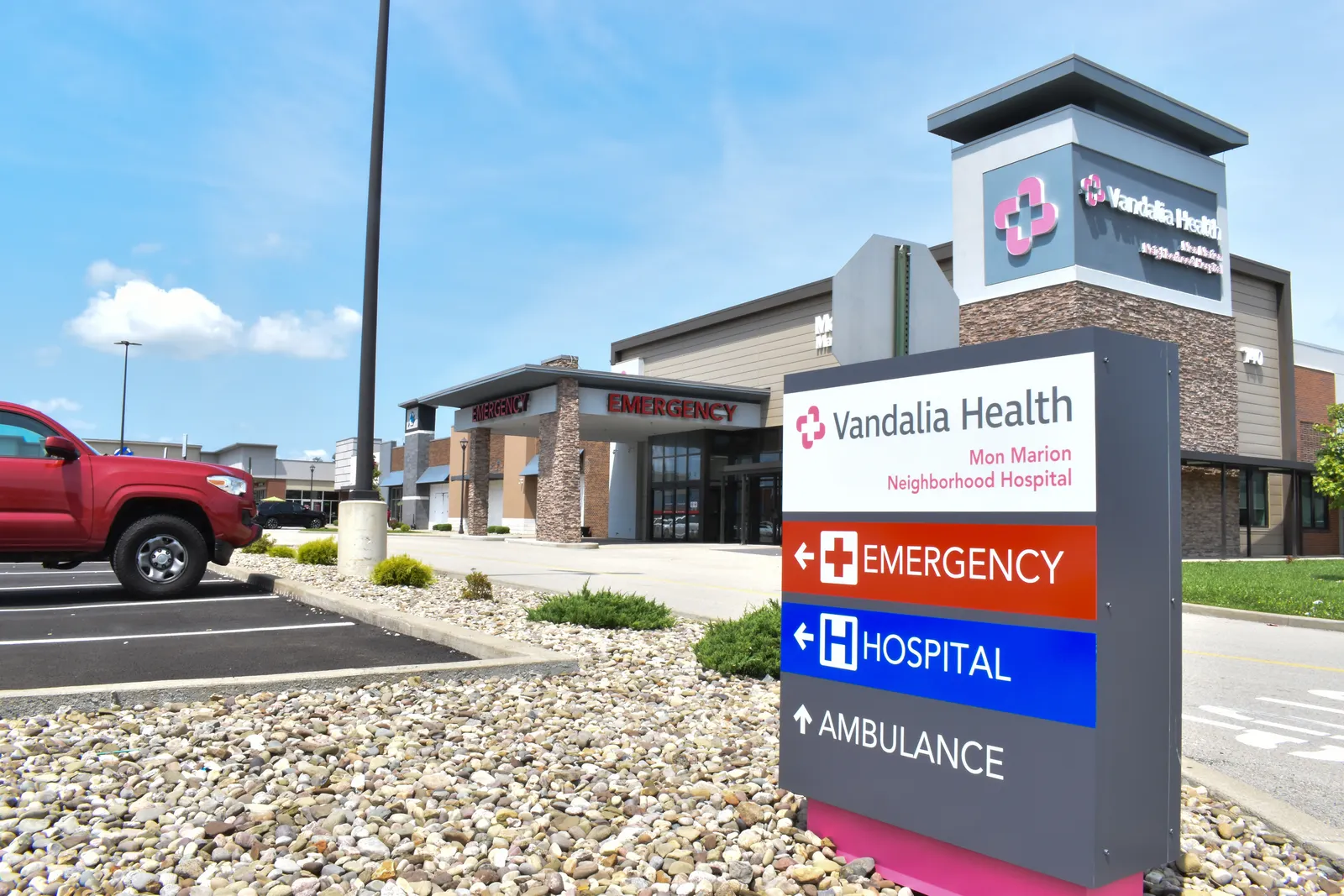
The bright red “Emergency” sign over the front entrance might get your attention though. Or the Marion County ambulances with their engines idling around back.
The building, containing just two hallways, is Mon Marion Neighborhood Hospital, part of a burgeoning trend of small acute care hospitals dubbed “micro-hospitals” or “neighborhood hospitals” that can hold anywhere from eight to 25 inpatient beds.
The micro-hospitals are popping up nationwide — from Pennsylvania to Arizona, Colorado to Texas — as lower-cost alternatives to traditional hospitals, including in semi-urban and rural areas where care access is strained.
“It's been well received by the community,” said David Goldberg, the former CEO of Mon Health System, owner of Mon Marion. “Very busy, very widely accepted.”
Micro-hospitals differ from freestanding emergency rooms or urgent care, two types of care sites that are offered as solutions to the rural care crisis because they have inpatient care capabilities. Though diminutive, the facilities are certified as hospitals according to federal standards set by the CMS.
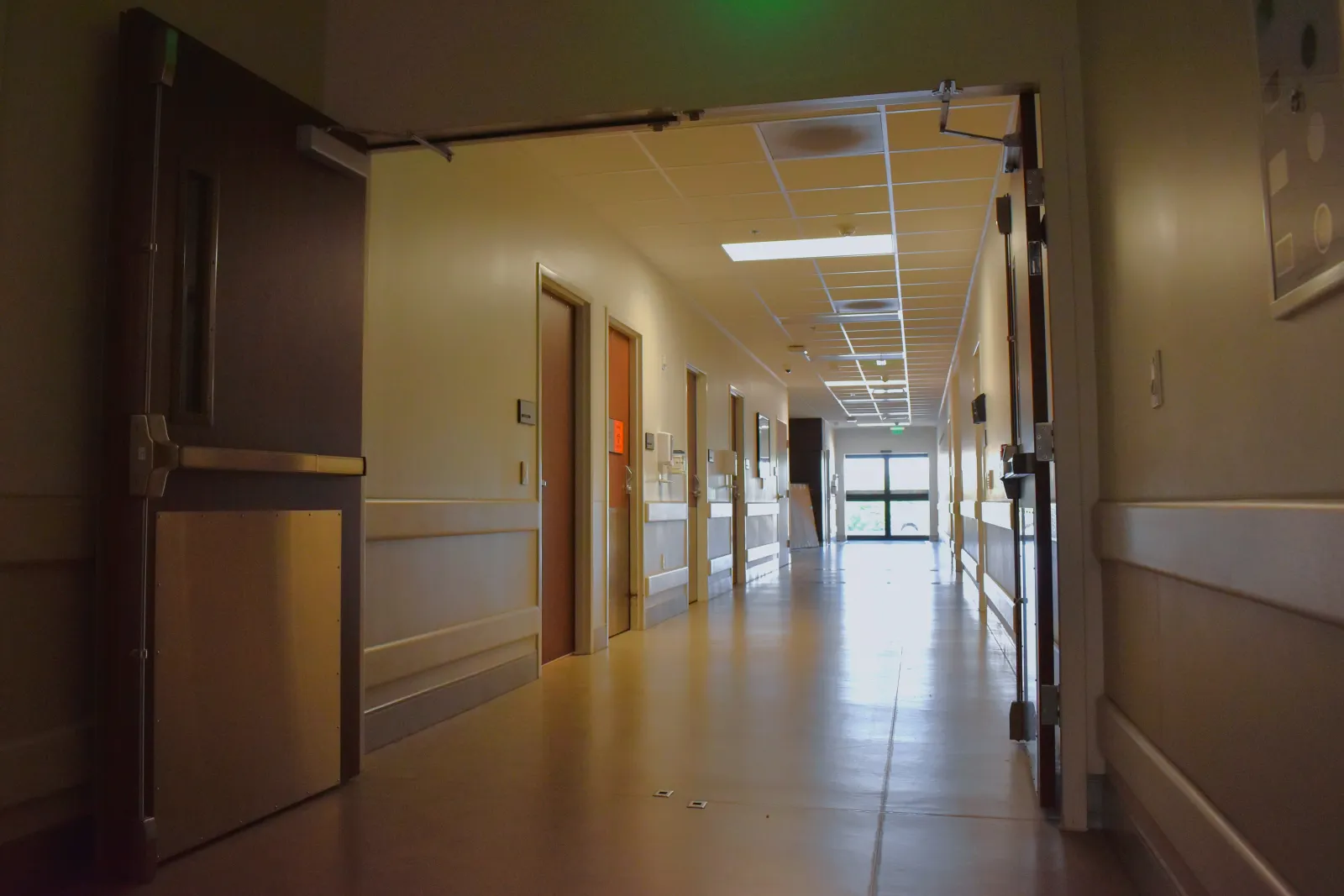
Once you get in, you don't know that you're not in a 200-bed hospital.

David Goldberg
Former CEO of Mon Health System
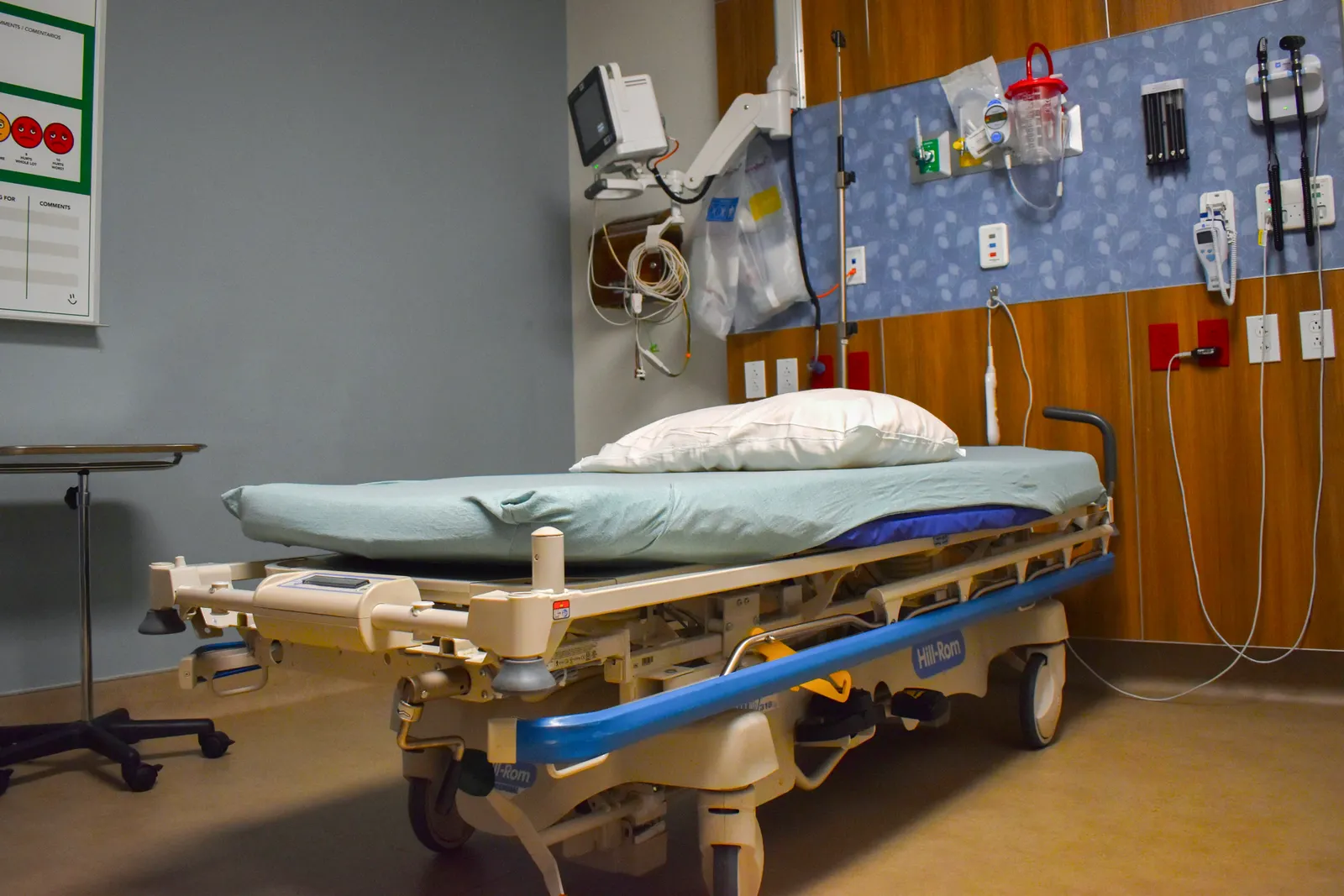
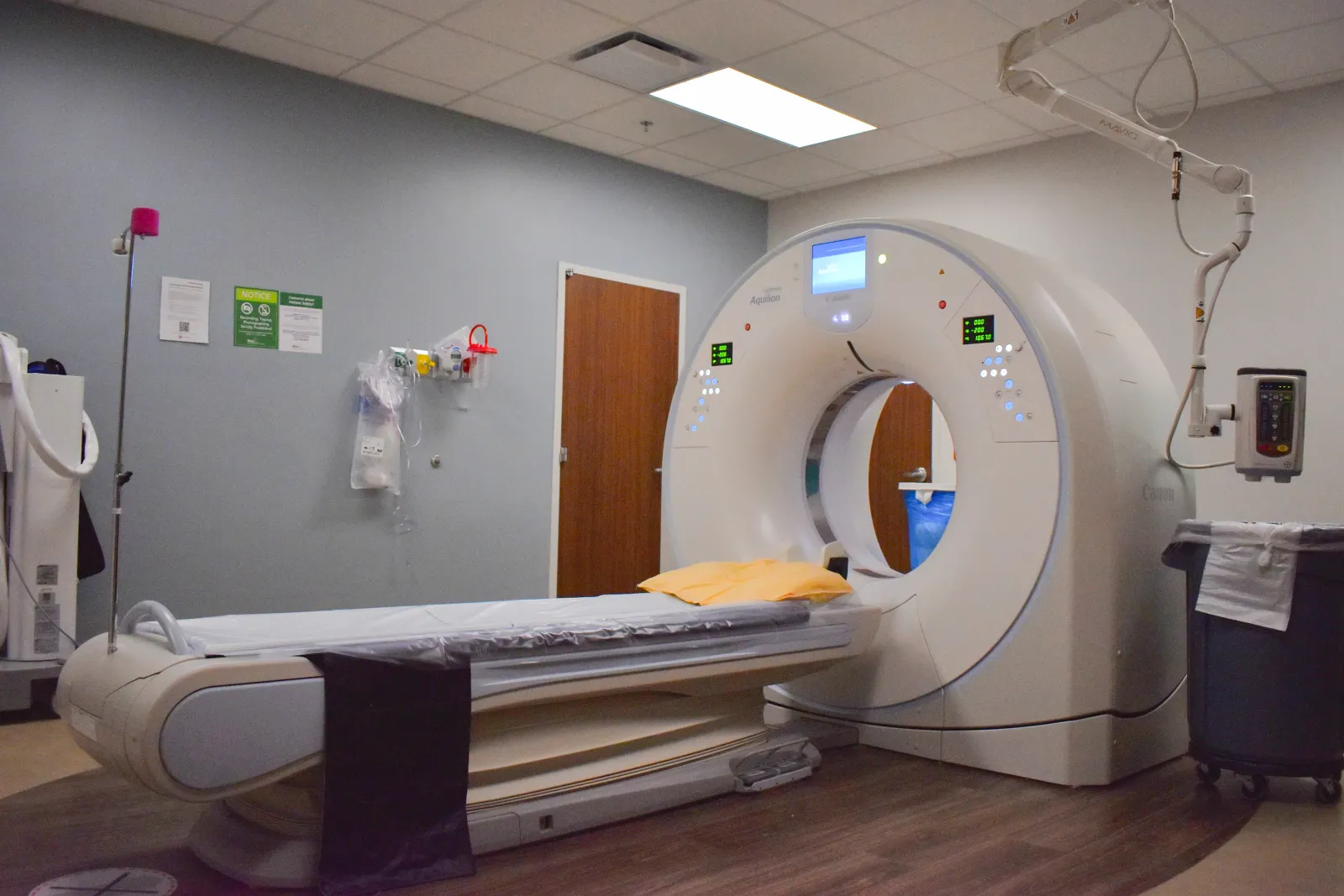
At Mon Marion, patients can walk across the hall from the emergency department to the inpatient ward if they’re suffering from acute pneumonia, an emphysema flare-up or a worsening skin infection like cellulitis. They can be monitored overnight, get intravenous antibiotics or take breathing steroids.
While White Hall is only 20 miles away from Morgantown, the second-largest city in the state and a major healthcare region, the micro-hospital can be a critical stabilizing point for people traveling from more isolated rural areas. Each second matters when transferring heart attack or stroke patients, as tissues rapidly die from a lack of oxygen, according to Dr. Christopher Edwards, chief administrative officer for Mon Marion. Snaking mountain roads can turn minutes of driving into hours in a state where stroke patients have a death rate 19% higher than the national average.
“When you come into the distant parts of the county, it takes people 40 minutes just to get here, let alone another 40 minutes up the road, north or south,” said Edwards.
“We’re able to give that [care] closer to home, so that people who don’t have access, who don’t have reliable transportation, who don’t have family to help them out, we can do everything in our power to keep their care as close to home as humanly possible,” he said.
Scaled down, but not scaled back
Before Goldberg moved to West Virginia in 2018 to become CEO of Mon Health System, he had experience building micro-hospitals in Texas and Pennsylvania alongside Emerus Health, an operator of micro-hospitals.
He helped strike a partnership to build the hospitals in San Antonio as CEO of Baptist Medical Center, then again in Pittsburgh when he worked as an executive at Allegheny Health Network.
The micro-hospitals were cheaper and faster to build, and both patients and doctors seemed to love them, Goldberg said.
“I always kept that in my mind as an option in other markets that I would work in,” he said.
Then, during the early years of his tenure at Mon Health, Fairmont Regional Medical Center — a hospital inside Mon’s service area but owned at the time by for-profit Alecto Healthcare Services — announced it was shutting down after years of financial struggles. The closure threatened to create a healthcare access vacuum in the Appalachian plateau region.
“It was a small, struggling little hospital, and it was very clear that Fairmont needed and deserved to have hospital access,” Goldberg said.
Goldberg figured a micro-hospital might fit the bill. Because the micro-hospital would be close enough to larger hospitals in Morgantown and elsewhere, “our belief was we didn’t need a full, larger-sized hospital,” Goldberg said. “But the emergency room, the inpatient beds [would] be able to help with lower acuity care, so people didn’t have to travel far.”
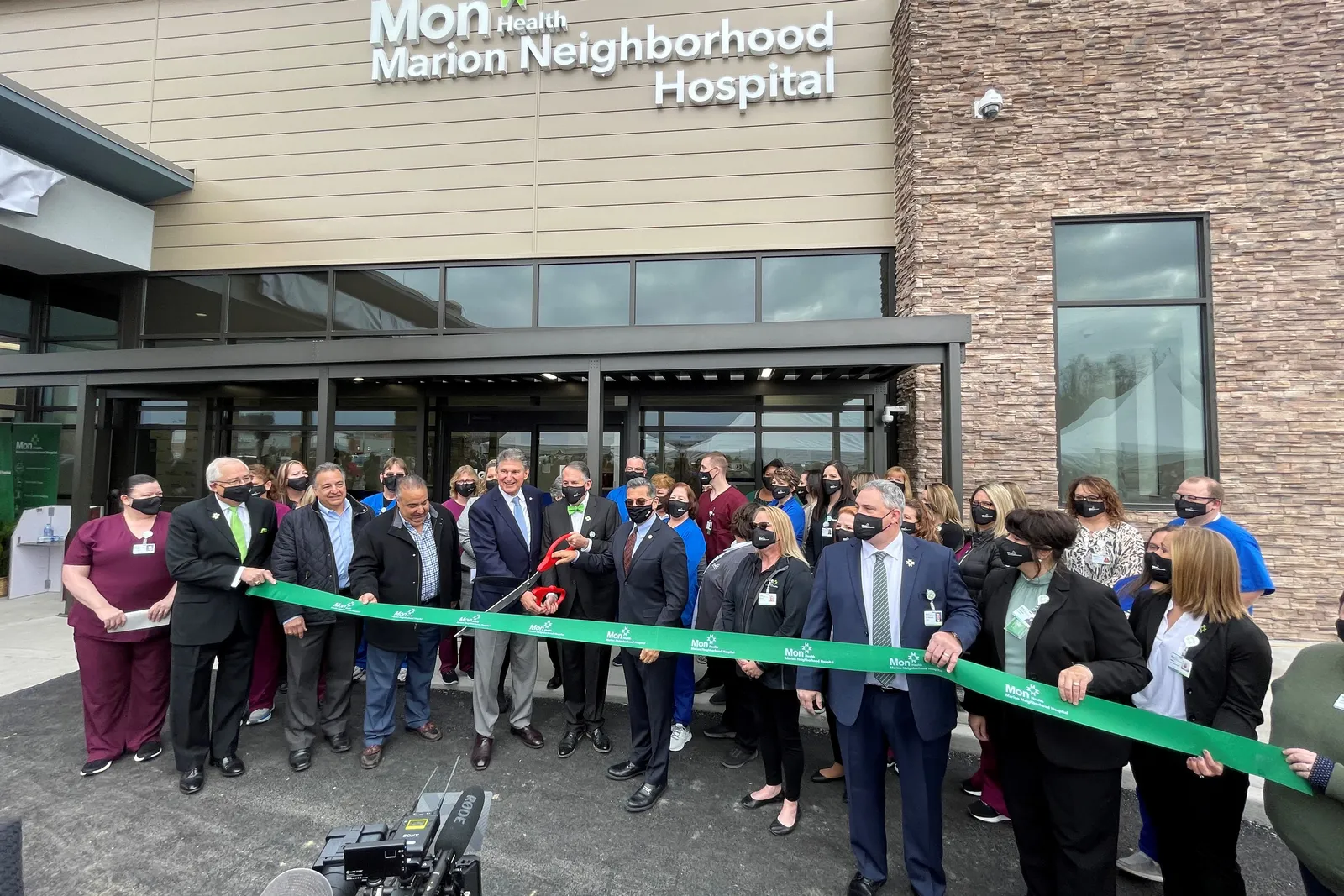
Mon Health, now called Vandalia Health after a merger with CAMC Health System in 2022, got approval to build and operate the facility in 2020 in partnership with Emerus. The hospital opened a year later.
Although originally slated to be built in nearby Pleasant Valley, Goldberg was convinced of the benefits of another location — Middletown Commons, a renovated commercial strip in White Hall.
The new location seemed to have it all. It had faster and easier road access off of Interstate 79. It would also bring costs even lower because the micro-hospital could utilize parts of an existing building and would place the facility near another health clinic, coincidentally operated by Dr. John Manchin, brother of Joe Manchin, the former senator and governor of West Virginia.
The new location was built on budget, which Mon Health listed as around $18 million in capital costs in its application to regulators, for 10 inpatient, 10 emergency room beds and onsite imaging equipment including X-rays, CT scans and laboratory services.
Hospitals typically cost around $1 million to $1.5 million per bed, meaning that larger hospitals with around 180 beds can cost anywhere from $200 million to $280 million, according to Goldberg.
Micro-hospitals can be 10 times cheaper, and proponents of the facilities say patients get similar treatment at a fraction of the cost.
“If you go and walk the hallway of Mon Health Medical Center’s medical floor, and you walk through the floor at Mon Marion, there’s no difference,” said Goldberg. “Once you get in, you don't know that you're not in a 200-bed hospital.”
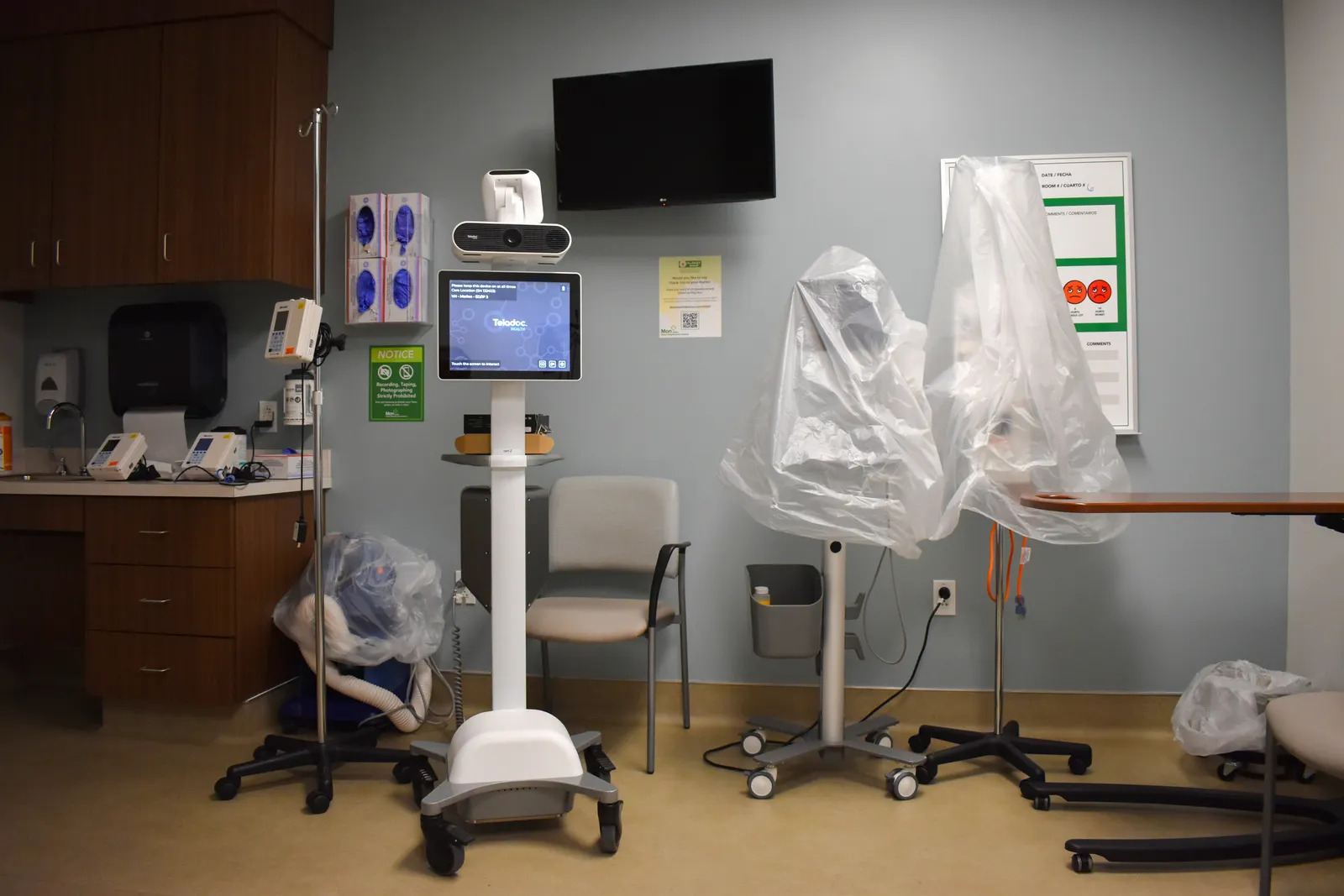
Still, there are tradeoffs for the low cost. Mon Marion can’t do everything a larger hospital is able to do. There’s no operating room or specialists in the hospital. If specialists are needed, Mon Marion can put patients in front of one of its telehealth stations on wheels run by Teladoc and have a virtual appointment with a neurologist or stroke specialist at a nearby hospital. (Similarly, Mon Marion asks that you don’t deliver your baby here — though they of course will help if needed. The micro-hospital has welcomed a few babies already.)
Mon Marion’s proximity to larger hospitals is what makes the model work, Edwards said. The micro-hospital can stabilize patients and then transfer them to other hospitals, or provide total care to lower acuity patients.
Without those nearby hospitals, the low-cost, low-footprint model likely wouldn’t work.
“They’re very good at a very niche area of medicine,” Goldberg said.
Small hospitals, big momentum
A small cottage industry in healthcare has grown to support the interest in these hospitals, a push led by Emerus, a company that bills itself as the largest operator of neighborhood hospitals in the country.
The company, founded in 2006 by a group of ER physicians, operates or owns 52 micro-hospitals and has 24 more in development, according to Dave Hall, chief growth officer at Emerus.
Interest in the micro-hospitals is growing “without question,” especially for an industry undergoing dramatic changes, according to Hall. Cost pressures, labor shortages, reimbursement challenges and policy upheaval is creating significant tension for traditional health systems and disrupting once-reliable revenue streams.
“I think coming out of COVID … The game has changed quite dramatically,” Hall said.
Outside of more rural areas like West Virginia, Emerus is expanding in metropolitan areas including Dallas, where the company says its goal is to create more competition for healthcare services. Large, legacy health systems have partnered with Emerus to test the micro-hospital model, including Ascension, Baylor Scott & White, ChristianaCare, Wellspan and Baptist Health.
Like at Mon Marion, Emerus partners with health systems to operate and build micro-hospitals, though its partnership structure varies. Hall says its operating model allows the hospitals to access Emerus’ technology suite, including its crucial telemedicine capabilities. In some partnerships, Emerus can also provide staffing. (Mon Marion is staffed by Vandalia.)
Micro-hospitals can also fill vacuums in care left by larger hospitals shutting their doors. Although Hall said Emerus doesn’t look to fill gaps left by larger hospitals, in several instances its micro-hospitals have stemmed holes in care, including Fairmont’s closure in West Virginia and the shuttering of Jennersville Hospital in Chester County, Pennsylvania.
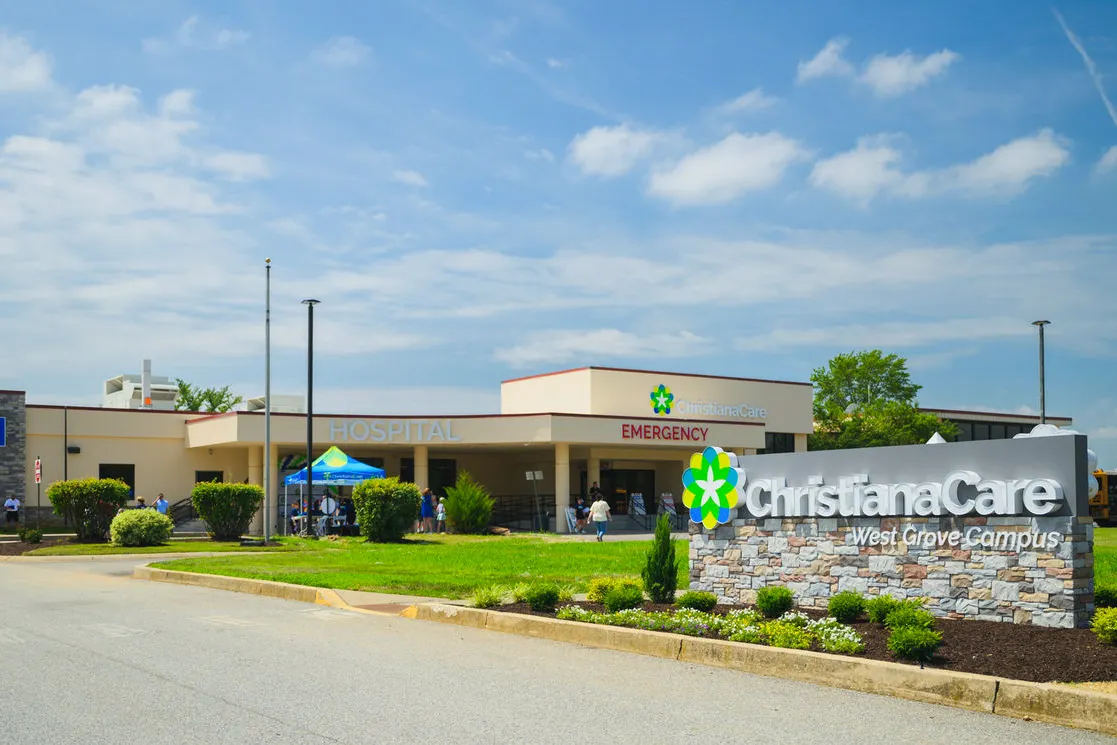
Jennersville Hospital closed in 2021 as its owner Tower Health experienced financial setbacks, but the facility opened last year as a micro-hospital, three years after it closed. ChristianaCare had signed a deal to buy the shuttered hospital and partnered with Emerus to build the new facility.
“This was a major community that had absolutely no local access to hospital care. And here, we open this hospital and overnight we’re seeing 60, 70 patients a day,” Hall said.
“The response is incredible.”
Back in West Virginia, Mon Marion is now a staple in the community, its flexibility allowing it to adapt more to the community’s needs. The hospital has started offering outpatient services, like labs and some infusions, even though it didn’t set out to provide those. Patients kept showing up and asking for them, so Mon Marion added those services to the menu.
In September, Vandalia Health opened another micro-hospital. It has a slightly larger footprint (38,000 square feet) and price tag ($26 million), and is dubbed Mon Harrison Neighborhood Hospital.
Mon Harrison is located in Bridgeport, the same town where Edwards was born and raised, and he’s also assumed the chief administrative officer role. It’s a full-circle experience for the doctor, who moved back home after his residency in Ohio to be closer to his family.
There’s an existing hospital in Bridgeport, but Edwards says the micro-hospital should give patients more choice for their care.
“We feel as an organization, and I feel personally, that when you have choice and access, those are two key drivers to bring high-quality care,” he said.
Senior Visuals Editor Shaun Lucas contributed to this story.