Dive Brief:
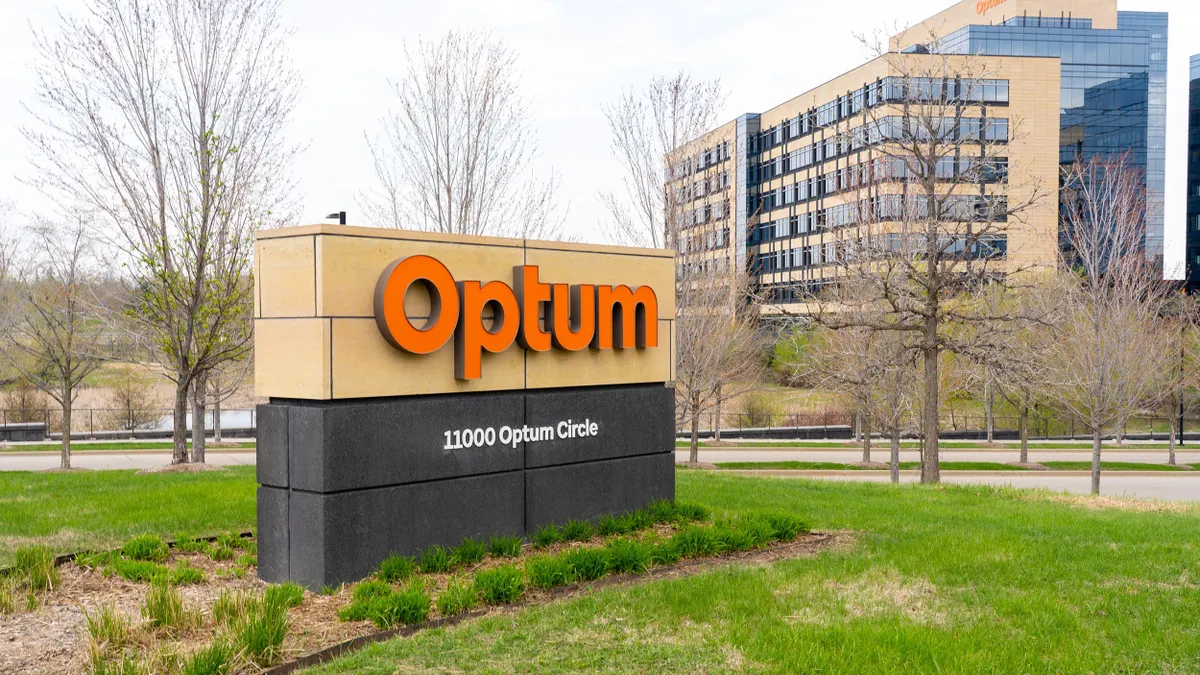
- Prices rose 11% at ambulatory surgery centers after they were bought by Optum, probably because the newly acquired providers were able to negotiate higher prices with insurers, according to a new study highlighting how vertical consolidation drives up healthcare spending.
- That increase translates to $10.1 million more in annual spending for just seven common procedures in the two dozen ASC markets analyzed. Extrapolating that estimate to all ASC services suggests the full financial impact could exceed $67 million each year, the study published Monday in Health Affairs found.
- That’s a concern, given those costs are being charged to insurers competing with Optum’s sister company UnitedHealthcare, according to the research. In addition, the costs are generally passed along to consumers through higher premiums and out-of-pocket spending.
Dive Insight:
There’s a harsh spotlight on market concentration in healthcare, as lawmakers — including traditionally pro-business Republicans — become more critical of massive conglomerates in the space amid skyrocketing healthcare prices.
UnitedHealth, Optum’s parent company, has been catching a lot of the flak.
UnitedHealth operates both Optum, the largest employer of physicians in the U.S. with nearly 90,000 owned or affiliated physicians, and UnitedHealthcare, the largest private insurer in the nation.
UnitedHealth isn’t the only vertically integrated healthcare company — CVS, Elevance and Humana all own provider assets, for example — but it’s certainly the biggest, posting almost $450 billion in revenue last year. As such, UnitedHealth has faced significant scrutiny from lawmakers and antitrust regulators about the overlap between its businesses and how they may be leveraging their market power to inflate UnitedHealth’s profits.
For the new study, researchers with Cornell University wanted to find out whether Optum’s ASC acquisitions affected the prices it charged to competing insurers. Optum has aggressively expanded its network of surgery centers, including through its 2017 acquisition of Surgical Care Affiliates, one the largest ASC operators in the U.S. at the time.
Researchers analyzed commercial claims for 24 ASCs from 2015 to 2018, before and after they were acquired by Optum, and compared those to a control group.
They found a price growth of $239.24 after Optum bought the ASCs — an 11% increase over the pre-acquisition average. The price difference began to emerge two quarters after Optum bought the ASCs, and stayed stable after, according to the study.
Procedures performed by doctors employed by Optum and independent practitioners both experienced a large increase in facility fees after the ASC was acquired. But the brunt of the higher prices was driven by inflated professional fees, researchers found.
In addition, price increases were concentrated in markets where Optum had a stronger market share, including of other ASCs or physician practices.
Those findings suggest that the price increases stemmed from the newly acquired ASCs’ stronger negotiating power, given they became part of Optum’s large integrated network of physicians and facilities, researchers said.
The study builds on other research suggesting UnitedHealth’s vertical integration may be increasing spending. One study published in November found UnitedHealthcare pays Optum doctors more than other unaffiliated physicians.
However, the problem is not unique to UnitedHealth, or to insurer ownership alone.
The studies dovetail with broader concerns about vertical integration, which has accelerated as more doctors are pushed out of private practice and into the arms of health insurers, hospitals and private equity companies.
Research suggests vertical integration has anticompetitive ripple effects including price inflation and patient steering.
The Cornell research found some evidence that Optum doctor’s offices refer more patients to affiliated ASCs if they’re acquired in markets where Optum had a heavy presence. That allows Optum to capture more revenue that might otherwise have gone to a competitor. It also reduces spending for insurers, including UnitedHealthcare, by shifting more care from expensive hospital outpatient departments to cheaper ASCs.
Yet overall, Optum’s acquisitions of ASCs had little impact on physician referral patterns, the study found. Instead, Optum appears to acquire physician practices that already refer more patients to ASCs than outpatient departments.
UnitedHealth did not respond to a request for comment for this story.
Still, “our findings suggest that policy makers and antitrust agencies should look beyond traditional horizontal concentration metrics because vertical integration can raise prices for competing insurers and, ultimately, consumers,” researchers wrote in the study.
Historically, it’s been difficult for antitrust agencies to stop vertical deals. But in 2023, the Biden administration changed the guidelines for reviewing corporate mergers, giving the Federal Trade Commission and the Department of Justice sharper teeth in going after vertical deals, including insurer acquisitions of medical practices. The Trump administration has kept the guidelines in place.
Moreover, Congress appears open to breaking up vertically integrated monoliths, as the public clamors for lawmakers to improve healthcare affordability. Still, such actions would face significant hurdles.