The Trump administration has negotiated deals with major Medicaid systems vendors that it says will save states hundreds of millions of dollars as they hustle to implement massive changes to the safety-net insurance program from the GOP’s “Big Beautiful Bill.”
On Thursday, CMS officials shared a list of 10 companies that have agreed to provide IT services and products at low or no cost to states to help them stand up work requirements, a controversial policy tying Medicaid eligibility to work or other approved activities.
Participating companies include some of the biggest Medicaid contractors in the U.S., including Deloitte and Gainwell, both of which contract with upwards of two dozen states to build, operate or oversee their Medicaid systems.
Other participants include major Medicaid eligibility contractor Maximus, tech consultancy Accenture, General Dynamics’ unit GDIT and UnitedHealth’s health services division Optum.
Specifics of the deals vary by company, but include fixed fees for system upgrades, lower rates for professional services, discounted licenses fees and add-on services like fraud monitoring for free.
The Trump administration said the deals, along with support provided by the CMS, should help states implement work requirements by the 2027 deadline.
However, states say they’re struggling with the tight turnaround to rejig their entire Medicaid data and eligibility systems, expand outreach and education and track compliance — all with minimal funding from the federal government.
The new deals should save states and the federal government $600 million through 2028, with the majority of those savings flowing to states, according to Dan Brillman, the director of the Center for Medicaid and CHIP Services.
“Some of the costs would have definitely been higher. We came in and said ... ‘Hey, can you do it for free? Or can you do pieces of it for free?” Brillman said.
It’s the latest in a string of voluntary commitments the Trump administration has secured from healthcare companies looking to rehabilitate their public image and get on the government’s good side. Medicaid contractors have been in the public eye amid reports that the systems they’ve created are prone to errors and breakdowns, even before the added pressure that work requirements will create.
Medicaid contractors play ball
The “Big Beautiful Bill” passed last summer included the first national work requirement in Medicaid ever, linking eligibility for the safety-net insurance to 80 hours of work, volunteering or education each month. The work requirement will apply to people aged 19 to 64 to who are eligible for Medicaid under an expansion under the Affordable Care Act. Currently, that includes 40 states and Washington, D.C.
Work mandates are a long-held dream of conservatives, who argue they’re a pathway to increasing employment and removing freeloaders from federal programs. But the policies have been less than successful in the real world.
For one, federal data suggests the majority of adult Medicaid beneficiaries already work. But most importantly, it’s difficult to ensure compliance without booting eligible people off the program too.
In the handful of states that have trialed work requirements, many Medicaid beneficiaries lost coverage not because they weren’t complying but due to issues attesting their compliance itself, according to research.
As a result, protecting eligible Medicaid beneficiaries from being caught in the dragnet of new work requirements is a major focus of states as they stare down the 2027 deadline for implementation. But that’s much easier said than done.
Building new work mandate verification systems is a massive IT undertaking. Many state Medicaid systems today are a patchwork of vendors and capabilities not designed to pull and track data from disparate sources — a capability at the core of tracking compliance with work requirements and ensuring people aren’t improperly disenrolled, according to experts.
There’s also the cost. The law allocates $200 million in funding for states this year to help with implementation. But states say the costs of building up new work requirements programs will well exceed the grants they receive, especially given existing stress on their budgets.
States are also waiting on the CMS to clarify key details of the law, though they’ve had to move forward on implementation regardless.
But now, the Trump administration is saying the new savings it’s secured from major Medicaid vendors, along with technological assistance it’s providing to states, will help.
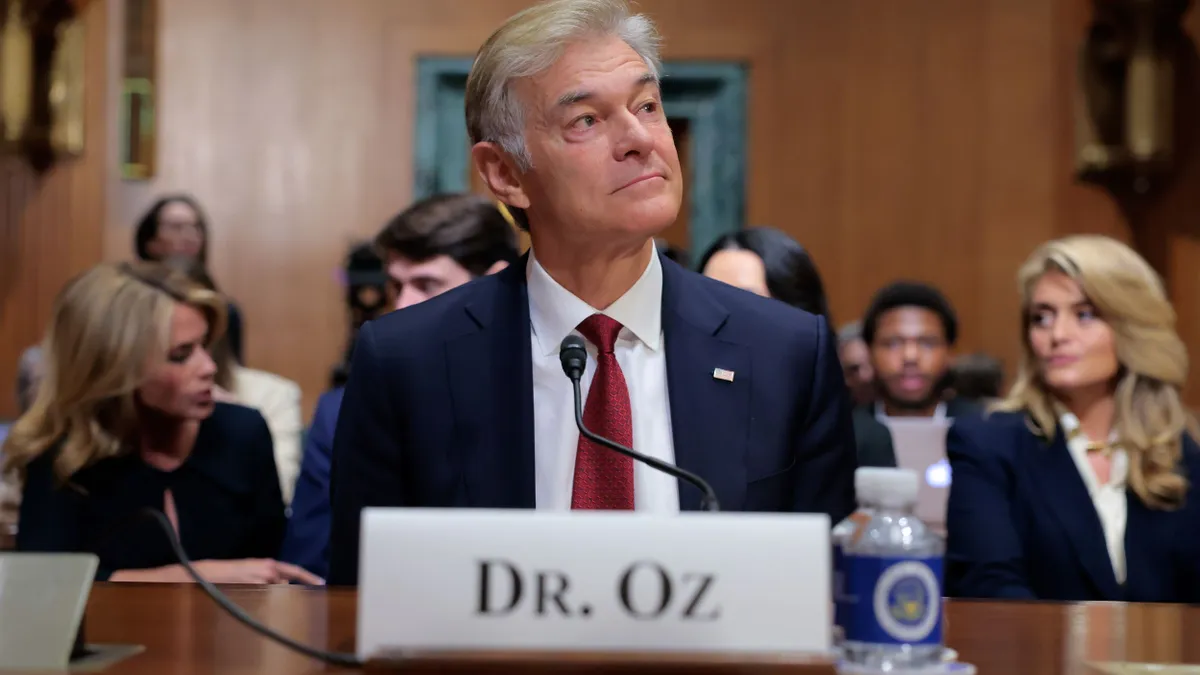
Government officials worked with Medicaid contractors and state officials on connecting Medicaid IT systems with other state and community databases, CMS Administrator Dr. Mehmet Oz said in a press briefing Thursday morning. This could allow states to automatically connect unemployed Medicaid beneficiaries to job training or volunteering opportunities so they don’t lose coverage, the administrator said.
In addition, states will be able to streamline verification so that work requirements won’t create more paperwork for beneficiaries. For example, several Medicaid contractors are offering to help states integrate their Medicaid and Supplemental Nutrition Assistance Program, or SNAP, systems.
As a result, if a beneficiary is already compliant with SNAP work requirements, states will know they’re compliant with Medicaid mandates too — without needing to get the beneficiary involved.
That has the potential to remove a huge amount of overhead for states, given the majority of Medicaid beneficiaries are also on SNAP, Brillman said.
“We can automate tons of those processes for states and do that at no cost,” the Medicaid director added.
The Trump administration is also working to streamline vendors’ ability to get on what’s called the “GSA Schedule,” a contract that allows companies to sell products to state and local governments at pre-negotiated rates. States often only choose companies on the GSA schedule when they’re looking to procure new Medicaid technologies, so the step should make it easier for less established players in the Medicaid space to begin contracting with states.
The commitments will help states implement work requirements, but also move Medicaid systems into the 21st century, Oz said.
State Medicaid systems are infamously rigid, complex, difficult to update and susceptible to errors, spurring concern that the chassis is too weak to add work requirements verification on top of it.
Last fall, Senate Democrats sent letters to major Medicaid contractors after receiving reports of crashes and glitches impacting member enrollment and eligibility processes. In Florida, for example, system glitches led to new mothers being accidentally disenrolled from Medicaid, while in Arkansas, people with disabilities had their home care services cut after the state’s eligibility system failed to consider their medical conditions in determining eligibility.
Still, despite the difficulties, some states are forging ahead and aiming to implement work requirements before 2026 comes to a close. Nebraska’s work requirements are set to kick in on May 1, which would make it the first state in the nation to comply with the provisions of the “Big Beautiful Bill.” (Georgia already has a work requirement for its expansion population in place.)