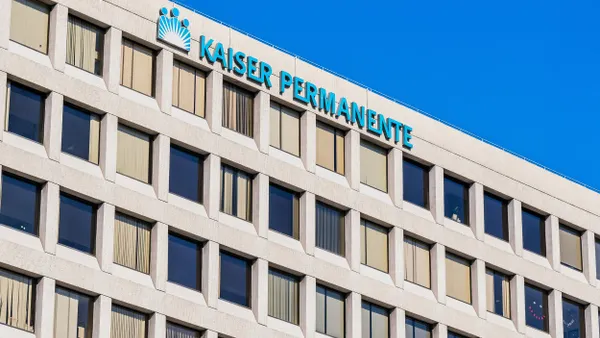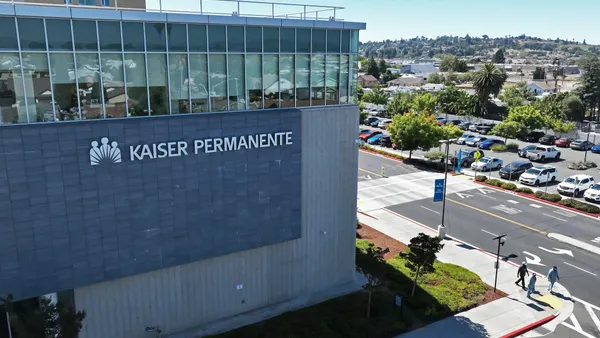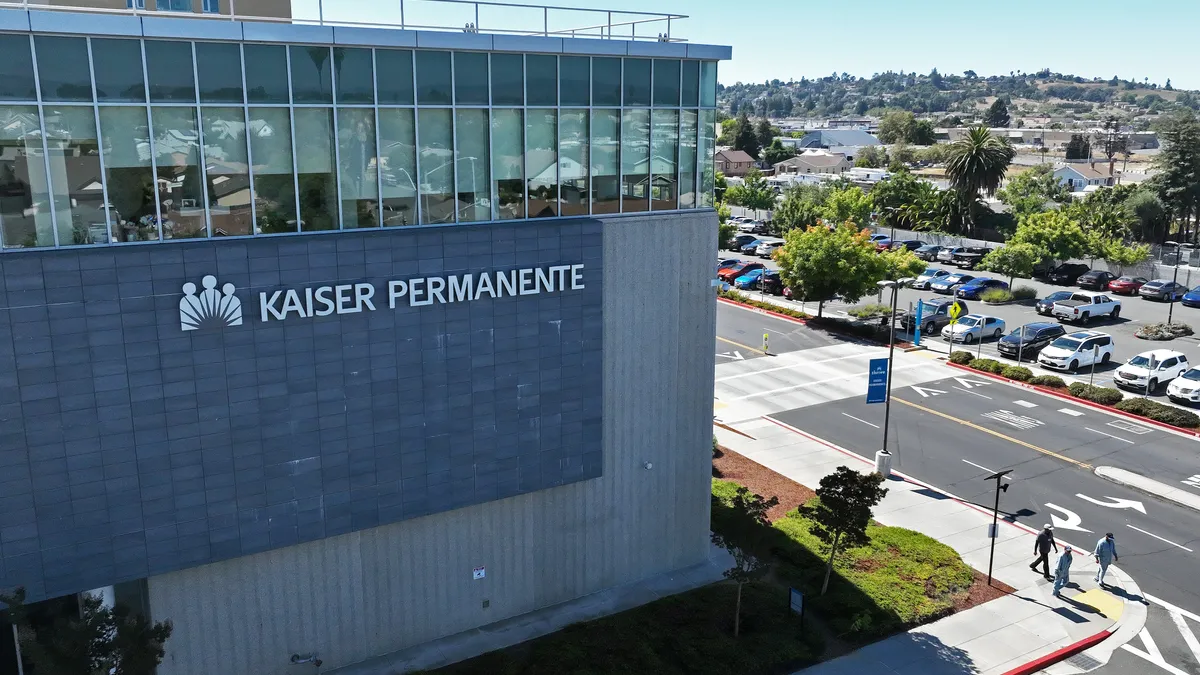
A major strike at Kaiser Permanente entered its third week on Monday, with thousands more workers joining the picket lines to protest what they argue are unsafe staffing levels at the California-based nonprofit giant.
More than 3,000 pharmacy technicians, pharmacy assistants and clinical laboratory professionals in Southern California are joining the work stoppage, according to the United Nurses Associations of California/Union of Health Care Professionals, which represents nurses and other workers already on strike.
Kaiser’s hospitals and medical offices affected by the walkouts will remain open, and urgent and critical lab testing will continue at those sites, the system said.
However, some outpatient labs will temporarily close or have different operating hours, which could lengthen wait times for results or services. Some pharmacies have also closed, according to Kaiser.
The escalation comes two weeks after 31,000 nurses, pharmacists, physician assistants and other professionals in California and Hawaii began the strike in late January. The workers are calling for increased staffing and pay, which they argue hasn’t kept pace with rising costs of housing, food and healthcare.
Negotiations over union workers’ new contract have stalled since late 2025, after Kaiser walked away from the national bargaining table, according to the UNAC/UHCP.
“Despite what they may say publicly, Kaiser has not reached out to us to bargain. We haven’t been to the table this week; we haven’t been to the table since December last year,” Stacy Eldridge, a registered dietitian and a member of the UNAC/UHCP bargaining team, said in a Friday statement. “I would much rather be inside helping our patients, and I’m worried about how long they are waiting for care now. If Kaiser has any concern for our patients and community and wants to get this done, they can.”
Kaiser has pushed workers to negotiate at local bargaining tables, noting the coalition approach — where local unions band together to negotiate national contracts — has delayed a deal.
UNAC/UHCP and the UFCW unions are part of the Alliance of Health Care Unions, a group of 23 unions that represent more than 60,000 Kaiser employees.
Kaiser has reached out to local unions and requested their availability to meet, but the health system has heard back from “very few” with proposed dates, Greg Holmes, executive vice president and chief human resources officer at Kaiser, said in a Friday statement.
The health system argues their offer on the table is generous, with wage hikes totaling 30% on average, including step increases, over the length of the contract. The UNAC/UHCP’s demand for a 63% wage increase for nurses is unsustainable, and would make care less affordable for patients, Kaiser said.
“At this point, Alliance employees have lost 4 months of the wage increases represented in our offer — and UNAC/UHCP employees participating in this union’s open-ended strike can add the loss of their existing wages for each week they continue striking,” Holmes said. “We hope our UFCW local union-represented employees in Southern California will consider these financial impacts and our patients.”