Dive Brief:
- Health plan affiliates of Kaiser Permanente have agreed to pay the U.S. $556 million to settle allegations they pressured doctors to inflate the sickness of Medicare Advantage enrollees to garner higher reimbursement from the government. It’s the largest settlement of its kind related to MA upcoding, according to one law firm.
- The Department of Justice claims that Kaiser engaged in a “widespread coordinated scheme” from 2009 to 2018 among doctors in California and Colorado to add “thousands upon thousands” of invalid diagnoses to patient medical records, sometimes months after their visits. Kaiser incentivized physicians to inflate their patients’ sickness by linking employee and facility financial bonuses to the diagnostic codes, according to the DOJ.
- Kaiser admitted no wrongdoing and said it chose to settle to avoid prolonged litigation. In a statement on Wednesday, the conglomerate said other major health plans had faced “similar government scrutiny” over their MA practices, reflecting the “industrywide” challenges in complying with federal requirements.
Dive Insight:
In MA plans, the federal government reimburses private payers a fixed monthly amount for managing the care of seniors enrolled in their plans. Medicare reimburses payers more for sicker enrollees through risk adjustment, where the CMS calculates various metrics — including diagnostic codes — to determine how much money insurers receive.
To draw in more cash, MA plans are incentivized to inflate the sickness of their enrollees, a process called upcoding. As enrollment in MA plans has increased — over half of all Medicare-eligible beneficiaries are involved in MA plans — so too have allegations of upcoding. Last year, the government was expected to pay 20% more on MA enrollees than if they had been enrolled in traditional Medicare, a $84 billion difference, partly due to upcoding, according to congressional advisory group MedPAC.
The DOJ alleges that Kaiser’s health plan affiliates — Kaiser Foundation Health Plan, Kaiser Foundation Health Plan of Colorado, The Permanente Medical Group, Southern California Permanente Medical Group and Colorado Permanente Medical Group — pressured doctors to upcode and “mine” patients’ medical histories to identify potential diagnostic codes they could add to medical records to garner higher reimbursement. In many cases, the diagnostic codes were unrelated to the patient visits they were attached to, according to the DOJ.
Kaiser allegedly pressured physicians to add the inflated diagnostic codes. The health plan affiliates targeted underperforming physicians and said that failure to add more codes could hurt Kaiser and its clinicians financially. The Kaiser plans “ignored numerous red flags and internal warnings,” including from its own physicians, according to the complaint.
The settlement stemmed from a whistleblower complaint brought under the False Claims Act by former Kaiser employees Ronda Osinek and Dr. James Taylor. Osinek, a former data quality trainer and audit manager at the Permanente Medical Group, said she told Kaiser executives that over half of physicians had told her they felt pressured to upcode. Taylor worked for the Permanente Medical Group most recently as the medical director for revenue cycle and claims.
Under the False Claims Act, where individuals sue on behalf of the government, whistleblowers share in the portion of settlements. Osinek and Taylor will receive $95 million from the settlement.
Whistleblower Partners, the law firm representing Taylor, called the settlement “the largest recovery to date involving alleged Medicare Advantage risk-adjustment misconduct.”
Although supportive of the privatized Medicare program, the Trump administration has pledged to reform it. Last year, the CMS said it would expand its audits of MA plans to crack down on overpayments, though the plan has faced setbacks in court. CMS Administrator Dr. Mehmet Oz pledged to scrutinize the program last year during hearings to confirm him as Medicare’s head.
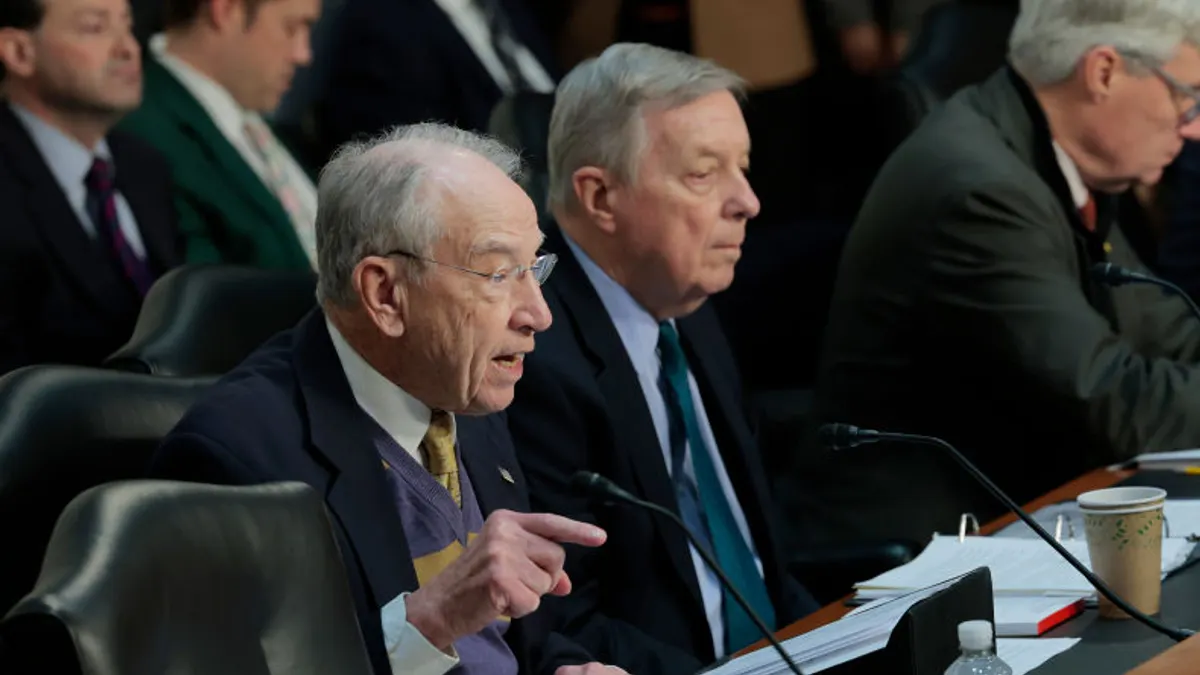
Other large insurers have recently been accused of upcoding. This week, a report from Sen. Chuck Grassley, R-Iowa, accused UnitedHealth of “gaming” MA risk adjustment.