Individual Coverage Health Reimbursement Arrangements may represent a growth opportunity for insurers at a time when enrollment in traditional commercial health plans is stagnating, but increasing premiums pose an uphill battle, experts say.
ICHRAs allow employers to reimburse workers for purchasing their own health insurance through Affordable Care Act marketplaces with tax-free money, rather than offering a traditional group health plan.
Previously, only small employers could provide such arrangements using Qualified Small Employer HRAs.
Since their launch in 2020, ICHRA adoption has grown continuously across employer sizes, sectors and metrics, according to the HRA Council, an industry group that advocates for improving and expanding health reimbursement arrangements. After a slow start, the trend has accelerated in recent years: total ICHRA and QSEHRA adoption increased by 19% from 2024 to 2025, with a 34% increase among large employers.
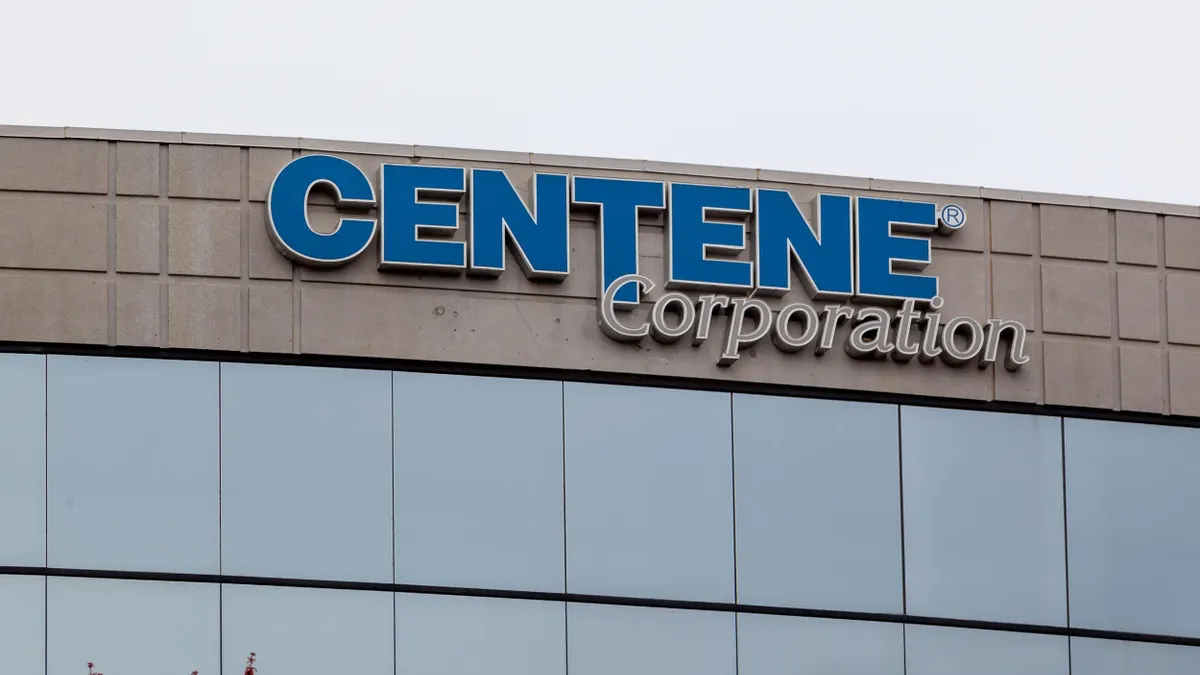
In an attempt to secure additional revenue amid a slowdown in the fully insured group market, some payers, including Centene and Oscar Health, are marketing ICHRAs to employers, especially those in the small-group market.
Enrollment in fully insured plans in the large group market fell from approximately 46 million in 2013 to around 38 million in 2023, according to the Peterson-KFF Health System Tracker.
Similarly, enrollment in fully insured plans in the small group market dropped from around 17 million in 2013 to roughly 10 million in 2023, according to the tracker. At the same time, many large employers have switched to self-funded plans to contain costs.
However, ICHRA growth faces obstacles due to instability in the ACA individual market, experts told Healthcare Dive.
The turbulence, caused by a lapse in more generous tax credits and restrictive enrollment policies proposed by the Trump administration, have payers reexamining their ICHRA participation.
“This is a major disruptor for the risk pool,” Anne Winter, senior managing director at FTI Consulting, said in an email. “Many states have seen huge rate increases, which lessens the value of the savings ICHRA brings.”
Why employers like ICHRAs
Employers’ interest in ICHRAs largely reflects ongoing pressure to manage healthcare costs, while still offering competitive benefits to employees. Employer healthcare costs are estimated to be 62% higher in 2026 than in 2017, according to the Business Group on Health.
“There’s an affordability crisis that they’re constantly wrestling with. They’re looking for predictable costs and flexibility for their beneficiaries,” said Tej Shah, managing partner and leader at HealthScape Advisors.
Unlike traditional group plans, ICHRAs allow employers to contribute a fixed amount to employees’ health coverage. That shift from defined benefit to defined contribution provides employers with greater cost predictability.
In addition, premiums for individual plans may be lower than those for group insurance in some markets, particularly for small group employers. ICHRAs can also help employers with high-risk employees avoid health status ratings in the group market, thereby lowering costs.
“It’s an attractive opportunity to find growth in the commercial market, which is generally stagnant or shrinking in a lot of geographies,” Shah said.
A new strategic direction
Despite their growth potential, ICHRAs require more than marketing, as members may switch from group coverage to individual plans offered by the same insurer. That can increase insurers’ risk, as employers with 50 or more employees can access larger, community-rated risk pools without paying a premium based on their expected costs.
“Payers need to have a really clear view of how ICHRAs are going to fit alongside their group and exchange strategies,” Shah said. “It’s not just a tactical add-on.”
ICHRAs represent a fundamental shift in the relationships among payers, employers and employees, as individual consumers become the primary customers.
“You’re moving from an employer-based environment where the employer is the customer and communications run through them to going much more direct-to-consumer,” Shah said. “And that consumer profile looks different.”
That transition requires new digital tools, enrollment support and consumer-facing navigation services, areas where insurers could differentiate themselves.
However, insurers should view ICHRAs as an extension of existing employer relationships rather than a separate market-entry strategy, Guidehouse Partner Amit Mehta said, noting that payers should leverage their brand awareness and equity to market ICHRA plans to current clients.
ICHRAs may also help insurers diversify their business as policymakers crack down on Medicare Advantage plans amid shrinking MA profit margins.
Education, in particular, presents both significant opportunities and barriers, as many employees struggle to understand existing benefits, suggesting that payers who invest in education and decision support may build loyalty.
“Educating employees that they can use HSA funds, that they can use their ICHRA subsidies — that gets people sticky with the brand,” Mehta said.
ICHRAs may also be an opportunity to advance broader payer strategies, particularly among insurers with integrated provider or pharmacy assets. For example, UnitedHealth could encourage members of its UnitedHealthcare plans to use its Optum clinics by offering zero copays for those providers, Mehta said, noting that such an approach could support value-based care initiatives.
“You have to think outside the box,” Mehta said.
Those ideas, however, remain largely aspirational.
An uphill battle
In addition to concerns about the stability of the individual market, payers face other headwinds regarding ICHRAs.
A lack of broader network options, including preferred provider organization plans, and the variability of individual plans across markets can also make ICHRAs less appealing to employers and employees alike.
Employers may also sidestep ICHRAs to avoid overwhelming their employees with too many choices.
“There are so many more choices than if you’re choosing between a few different plans from your employer… gold, silver, bronze,” insurance lobby AHIP said.
There are also policy barriers to adoption. ICHRAs were created by regulation rather than congressional legislation, making them “vulnerable to regulatory shifts,” the HRA Council said in an October news release.
The House of Representatives attempted to codify such arrangements in last year’s “One Big Beautiful Bill Act,” but the Senate rejected the measure.
Other administrative complexities make it harder to manage plans purchased with ICHRAs. For example, it’s often difficult for payers to determine whether someone enrolled in an individual plan through an ICHRA since they enroll the same way.
“There are fields on enrollment files that can help with this, but it’s early enough that this process is being refined,” FTI Consulting’s Winter said.
As a result, ICHRAs are unlikely to replace traditional plans entirely.
Ultimately, however, insurers that succeed will treat ICHRAs not as a short-term growth play, but as part of a broader transformation in how coverage is financed, marketed and delivered.
“It’s many of the same lives payers have been seeking,” Shah said. “But you’re offering them a different product and the channel by which you recruit them into your plan and manage them.”