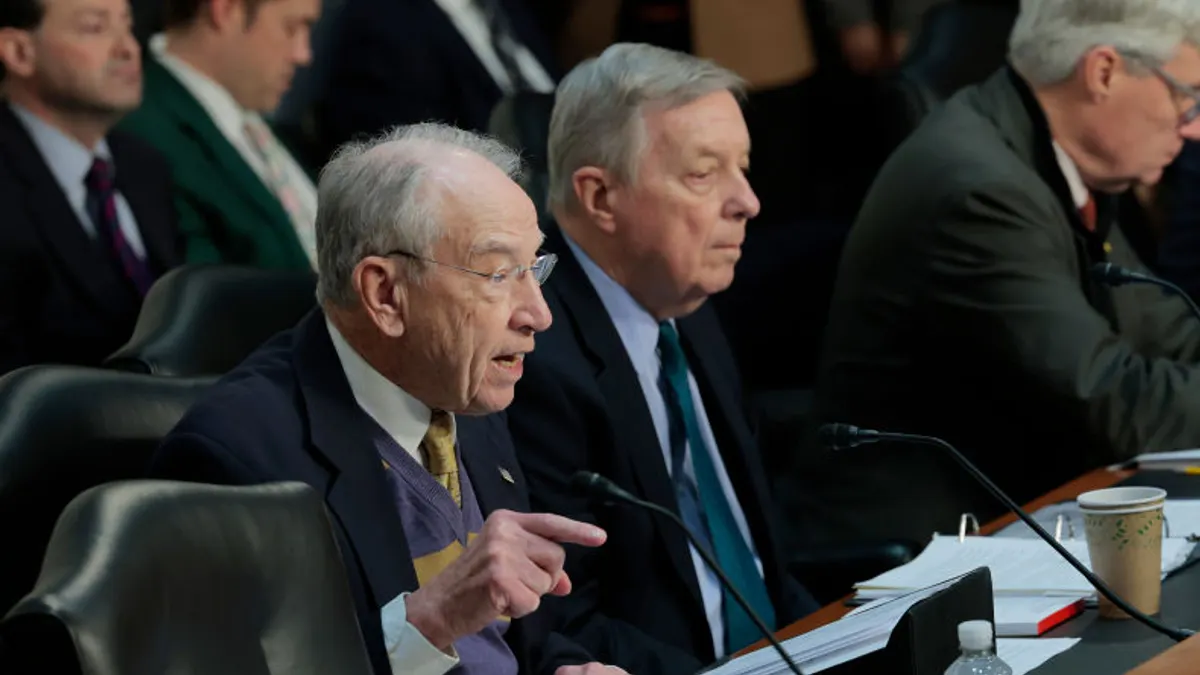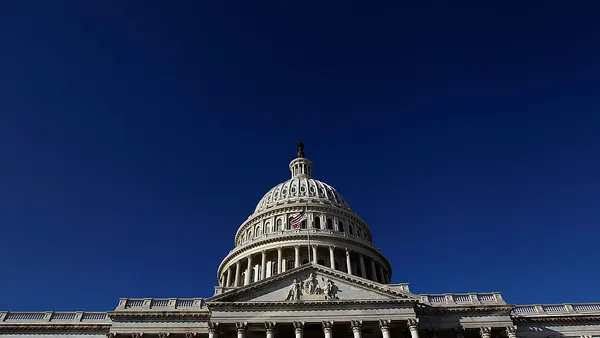
Lawmakers on both sides of the aisle decried the high cost of drugs that often pushes patients to forgo care during a hearing in front of a House Energy and Commerce subcommittee Wednesday.
But Democrats also argued policies from Republicans and the Trump administration — like major cuts to Medicaid and National Institutes of Health grants, as well as allowing more generous financial support for Affordable Care Act plans to lapse — are making the country’s healthcare affordability issues worse.
“The truth is Republicans are holding this hearing because they have no real plan to lower health costs or improve quality of care,” said Rep. Frank Pallone, D-N.J.
The Energy and Commerce hearing, which included testimony from trade groups representing pharmaceutical manufacturers, group purchasing organizations, distributors, pharmacy benefit managers, employers and pharmacies, is the second in a series on high healthcare costs and affordability challenges in the U.S.
High drug costs are another big affordability issue for patients. One-third of adults report they didn’t fill a prescription, skipped doses, cut pills in half or opted for over-the-counter medications due to cost in the past year, according to a poll by health policy researcher KFF.
Late last month, lawmakers lambasted major insurance CEOs during two hearings, arguing high rates of care denials and rampant vertical integration allow payers to profit at the expense of Americans.
But the latest hearing on the nation’s drug supply chain was less contentious. Many lawmakers in particular raised concerns about PBMs — middlemen that work with insurers, employers and other payers to manage prescription drug benefits — which have increasingly been targeted by Congress and regulators.
They also noted the supply chain for medications is complex, including a number of stakeholders involved in drug delivery.
“Do each of these entities in front of us today play a role in getting the drug to a patient? Yes,” Rep. Morgan Griffith, R-Va., chairman of the health subcommittee, said during the hearing. “Are there too many cooks in the kitchen at times? Probably so.”
Democrats push back on GOP health policies
Tackling healthcare affordability — including for prescription drugs — would be a lot easier absent some Republican policies, Democrats said during the hearing.
Lawmakers pointed toward the enhanced ACA premium tax credits, which expired at the end of the year and sent premiums soaring on the exchanges. Additionally, Trump signed a massive tax and policy bill last summer that included significant cuts to Medicaid, likely culling millions of people from the safety-net insurance program.
“Uninsured people end up going to the emergency rooms, which is probably the most expensive setting of care,” said Rep. Diana DeGette, D-Colo., ranking member of the health subcommittee. “And when they can’t pay, since the majority took away their health insurance, the costs increase for everybody and are passed down to people with private insurance.”
Meanwhile, one of the administration’s latest efforts to bring down the cost of drugs, TrumpRx, likely won’t help much, Democrats say.
The online portal allows consumers to buy around 40 drugs directly from manufacturers that reached pricing deals with the White House. However, many of the included medications are already heavily rebated or wouldn’t be more affordable than accessing them through insurance.
And TrumpRx often directs patients back to pharmaceutical companies’ existing direct-to-consumer sales or discount programs, said Rep. Marc Veasey, D-Texas.
Another challenge to pharmaceutical innovation are shifts at the HHS, including funding cuts for research and moves to overhaul vaccine policy, Democrats say.
For example, the NIH issued about 24% fewer grants last year, which is likely to lead to fewer treatments over time since nearly all newly approved drugs are supported by agency funding at some point in their development, testified Rachel Sachs, a professor of law at Washington University in St. Louis.
The administration’s new vaccine policy could also create barriers, Democrats say. Moderna said Tuesday that the Food and Drug Administration declined to review an application to approve the pharmaceutical firm’s messenger RNA-based influenza vaccine, a decision it called “inconsistent” with the agency’s previous guidance.
During the hearing, John Crowley, president and CEO of the Biotechnology Innovation Organization, said he couldn’t comment on any specific company or decision, but noted biotech firms are “concerned about shifting standards.”
Decisions like the Moderna rejection could disincentivize companies from investing in drug research, Pallone said.
“Why would you make an investment today with a drug or any vaccine or anything with this FDA?” he said. “You could spend billions of dollars developing a drug and then the FDA is going to not even consider [it].”
PBMs still in the spotlight
PBMs have faced heightened scrutiny in recent years from both lawmakers and regulators, who argue the middlemen use opaque business practices and fees to boost their own profits and increase drug costs. The companies say they negotiate with drugmakers to save significant money for their clients.
Congress has also recently enacted new PBM reforms. Early this month, President Donald Trump signed a government funding bill into law that included transparency requirements and a ban on PBMs’ linking their pay to drug manufacturers’ list prices in Medicare Part D.
But PBMs still garnered plenty of flack during the hearing Wednesday. Lawmakers relied on familiar accusations that the middlemen place high cost medications on their formularies to receive higher rebates, and that they steer patients toward affiliated pharmacies at the expense of independent operators.
“[The Pharmaceutical Care Management Association] often claims — with caveats of course — that your industry saves consumers and patients billions of dollars,” Rep. Buddy Carter, R-Ga., said. “I’m a pharmacist, so I know that that’s not true.”
Lawmakers also pointed toward increased consolidation and vertical integration among PBMs. The three largest PBMs — CVS’ Caremark, UnitedHealth’s Optum Rx and Cigna’s Express Scripts — control about 80% of all prescriptions in the U.S. The companies are also owned by large healthcare businesses that also operate health insurers.
But David Marin, president and CEO of the PBM lobby PCMA, said the market is highly competitive, with 73 PBMs of a variety of sizes in a number of geographic markets with different service offerings. Small players take business from the larger companies “all the time,” he said.
“If there’s three that own 80%, then there’s not a lot of competition,” said Rep. Nanette Diaz Barragán, D-Calif. “You’re saying there’s others, and there’s a lot of little others. It makes it hard to believe a statement you say, because you’ve got to dig in further.”