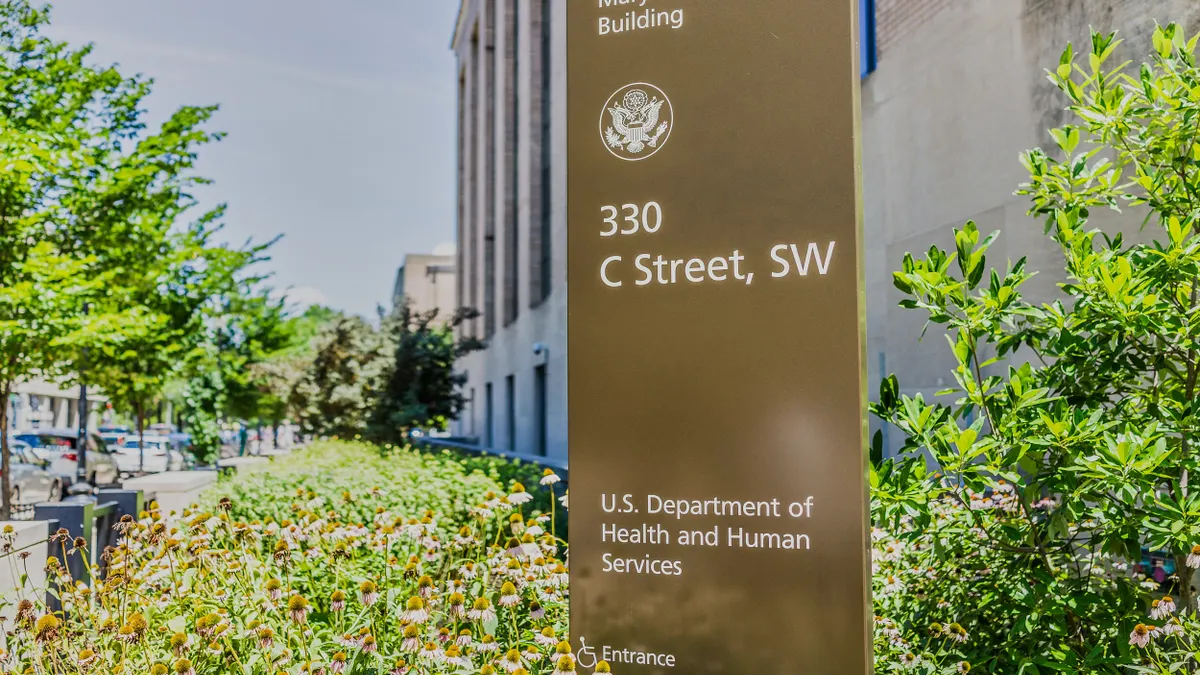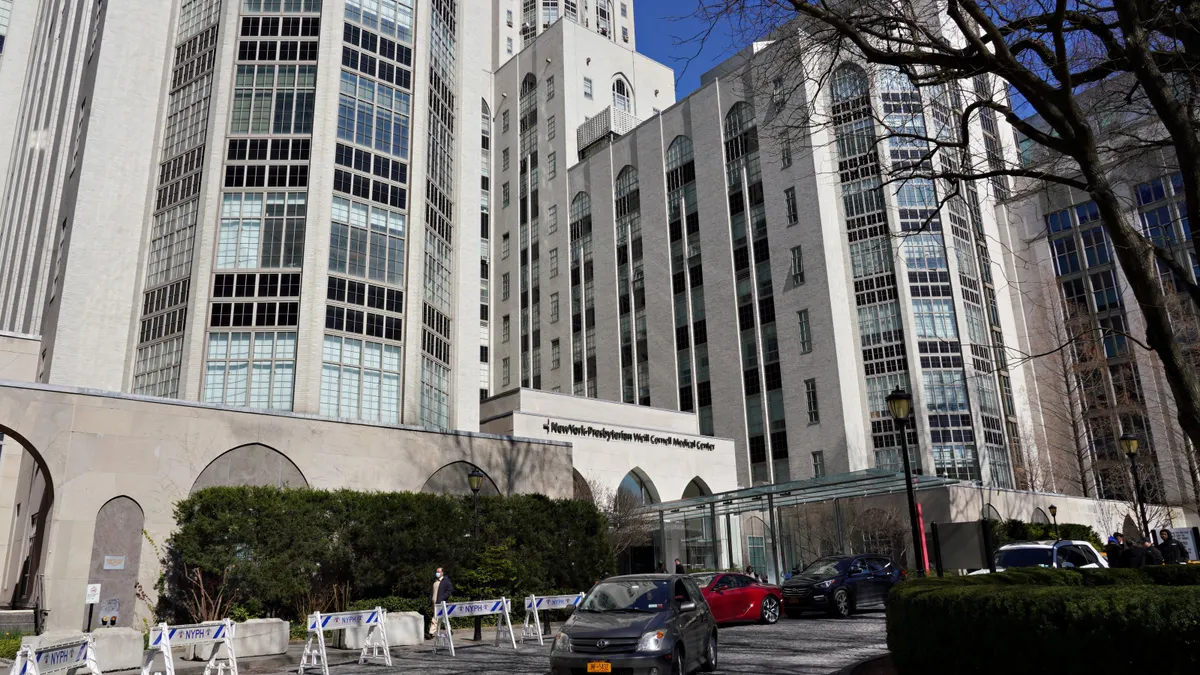
Healthcare Dive, MedTech Dive and BioPharma Dive collaborated on this five-part series examining changes at the HHS one year after sweeping layoffs. The series explores impacts across the department and provides inside looks at the CDRH, CMS, CDC and FDA.
The Centers for Medicare and Medicaid Services is operating with fewer staff in the wake of the Department of Health and Human Services’ restructuring while embarking on a number of major policy initiatives, potentially complicating the agency’s ability to carry out its goals, experts say.
The CMS lost around 300 employees in the Trump administration’s sweeping purge of the federal workforce last year, leaving remaining staff to carry out historic policy changes at the CMS including the first-ever national work requirement for Medicaid, an ambitious health technology initiative and more stringent fraud oversight.
Still, the agency got off relatively easy compared with HHS’ other divisions, sources say. The Food and Drug Administration, for example, lost about 3,500 roles.
“CMS, by and large, they left it intact,” said one former CMS employee, who was laid off last year and granted anonymity to speak freely without fear of retaliation. “They just sort of pruned the hedges — they didn’t cut the bush down.”
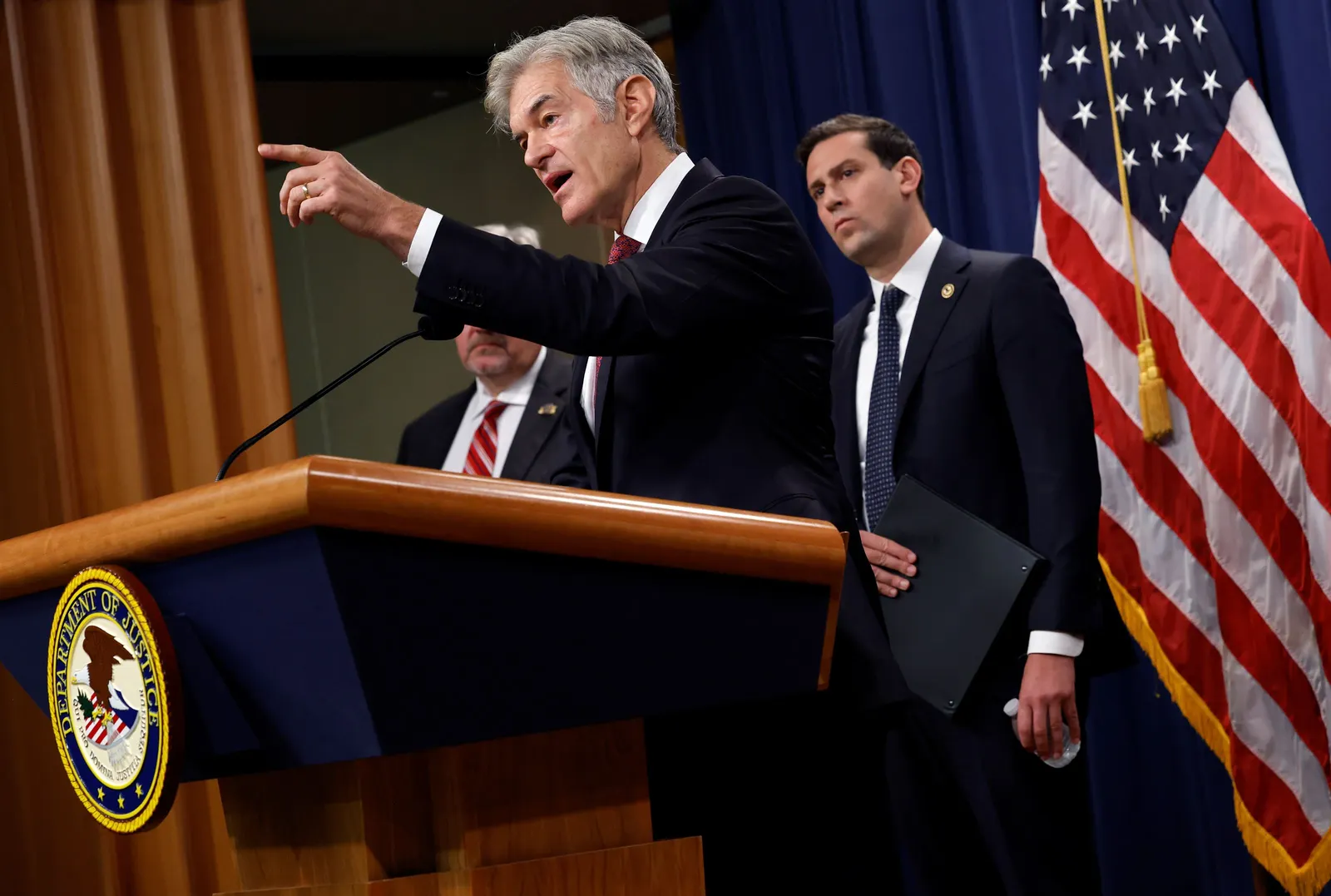
In addition, the agency has enjoyed steady leadership with top executives like CMS Administrator Dr. Mehmet Oz and Medicare Director Chris Klomp. Other agencies like the FDA and Centers for Disease Control and Prevention have seen a revolving door of political appointees.
However, the agency, which provides health insurance coverage to more than 160 million Americans, now has a smaller workforce to carry out its priorities. The CMS currently employs about 1,000 fewer workers than it did in 2024, according to the Office of Personnel Management, due to what the agency says is a combination of voluntary departures, retirements and layoffs.
That attrition could complicate CMS’ policy agenda. Achieving the agency’s goals takes workers, time and resources — and the CMS’ workforce felt “stretched” even when the agency employed more people, said Jonathan Blum, nonresident senior scholar at the USC Schaeffer Institute for Public Policy and Government Service and former principal deputy administrator of the CMS during the Biden administration.
“The reality is they have complicated requirements to implement,” he said. “And I think all the people that do that kind of core work — to hire, to contract, to build systems — those are precisely the teams within government, particularly in CMS, that have had a whole ton of departures.”

‘Morale is in the toilet’
Although the reduction in force didn’t hit the CMS as hard as other agencies, employees say the sweeping restructuring has worsened morale and made their jobs feel less stable. All current and former staff interviewed by Healthcare Dive were granted anonymity so they could speak about their experiences without fear of retribution.
Some workers are contemplating leaving the CMS for other jobs. One current employee said workers they know are more open to other job opportunities. Previously, government employment was seen as a way to have stable, consistent work, they said.
“With the new leadership, there’s been a shift in that mindset, where you never know if your job is secure anymore,” they said.
The layoffs of many probationary workers across the federal government last year removed colleagues they had spent significant amounts of time training, another employee said. Now, they can’t see how they can be promoted, because those workers were supposed to take over tasks to give them space for a new role.
“My ability to be promoted has been essentially eliminated,” they said. “I feel like I’ve been put into a position where I’m irreplaceable.”
The employee said a number of workers they know have left the agency to work at other businesses. They said they had considered leaving their work unit, the CMS and the federal government as a whole.
“Morale is in the toilet,” they said.
Employee morale has always been an important focus at the agency, a spokesperson for the CMS told Healthcare Dive, adding that leadership listens to staff concerns. The CMS has “several efforts underway” to promote health and wellness and foster culture, they added.
Job security was often a feature of working for a big agency, and high-performing candidates could have potentially more lucrative career options, said Kelly Whitener, associate professor of the practice at the Georgetown University McCourt School of Public Policy’s Center for Children and Families, who served as director of the division of state coverage programs at the CMS for about a year during the Obama administration.
“There’s always trade-offs, but I think a big pro in the government agency column has been stability,” she said. “And I think that has been shaken considerably.”
After laying off workers, the CMS has begun hiring again.
The CMS’ ability to hire staff is one luxury not afforded to other agencies, sources within the HHS said. CMS officials enjoy the ear of HHS Secretary Robert F. Kennedy Jr., which has allowed them to elevate the agency’s priorities within the larger health department.
“The CMS is still seen as very, very important,” said one HHS attorney.
The CMS spokesperson said its work as one of HHS' largest agencies makes it essential to maintain a workforce to support its operations. Its hiring decisions are driven by “mission needs” in accordance with federal law and reflect its efforts to align staffing with agency priorities, they added.
At the end of March, the federal government’s job portal, USAJobs.gov, listed open roles in Medicare, Medicaid, the agency’s innovation center and other divisions. A spokesperson said the agency was attempting to “align its workforce with administration priorities” by hiring in areas necessary to support core operations, including technical talent.
But it could be hard to hire quickly enough to keep up with natural turnover from retirements and staff departures, USC Schaeffer’s Blum said. Hiring at the federal government can take a long time and the government is still dealing with the aftermath of layoffs and the subsequent hiring freeze.
“I think the agency is going to be challenged to really build back the team,” Blum said.
Last month, CMS Administrator Oz went to an industry conference attended by tens of thousands of healthcare and technology professionals in Las Vegas.
During a keynote panel where he sat and joked with other CMS officials, he said his visit served as a “recruiting trip” for the agency, as it works to manage pernicious, rising healthcare costs.
“Please come work at CMS,” Oz said.
‘A lot of work to do, and probably fewer people to do it’
The roughly 300 workers laid off from the CMS included the entire staff of the agency’s Office of Minority Health, which identified patients who needed assistance, developed measures used for agency regulations, and created policies and grants for community groups improving health equity.
That work has halted entirely, a fact that one source called ironic given that CMS stood up a new Office of Rural Health Transformation to divvy out $50 billion in funds for rural health initiatives.
“That was work our office was doing,” one former staffer of the CMS OMH said, noting that the new rural health office has a more narrow purview than CMS OMH and less experience helping underserved rural populations.
A CMS spokesperson said the Office of Rural Health Transformation is focused on addressing the unique challenges facing rural communities, and is staffed by experienced professionals who work with experts across the department.
In addition, the CMS is working to implement another major undertaking: The first-ever national work requirement in Medicaid, part of the approximately $1 trillion in cuts to the safety-net program enacted in the “Big Beautiful Bill” passed last summer.
At a time where they potentially have fewer resources, fewer people to do the work, they just have easily double the amount of work. So it’s just an incredibly difficult environment.

Kelly Whitener
Associate professor of the practice at the Georgetown University McCourt School of Public Policy’s Center for Children and Families
The new policy will require millions of adults enrolled through Medicaid expansion to report at least 80 hours of work, education or volunteer time each month to stay covered under the program.
Helping states put the work requirements in place could prove a massive task for the CMS, on top of other changes it has to implement to Medicaid, like restrictions on provider taxes and state-directed payments.
“At a time where they potentially have fewer resources, fewer people to do the work, they just have easily double the amount of work,” Georgetown’s Whitener said. “So it’s just an incredibly difficult environment.”
Only two states — Arkansas and Georgia — have previously fully implemented Medicaid work requirements. The policies can be expensive and administratively complex for states to put in place: Administrative spending for Georgia’s initiative reached more than $54 million over four and a half years, outpacing costs for medical assistance, according to a report published in September by the Government Accountability Office.
“I think the staff at [the Center for Medicaid and CHIP Services] has been dealt a really tough hand,” she said. “They have a lot of work to do, and probably fewer people to do it.”
A CMS spokesperson said it has made targeted hires over the past year to execute on its goals and that it continues to hire new staff to assist the “robust strategic planning process” for its initiatives.
Still, enacting the Medicaid changes in the sweeping law could be a major challenge for the agency, potentially impacting beneficiaries’ care, said USC Schaeffer’s Blum.
“I suspect that it’s going to be a very challenging environment,” Blum said. “It’s going to be probably the agency’s most complicated work, most technical work that has the most implications for health and overall quality of care.”
Rebecca Pifer Parduhn contributed reporting.