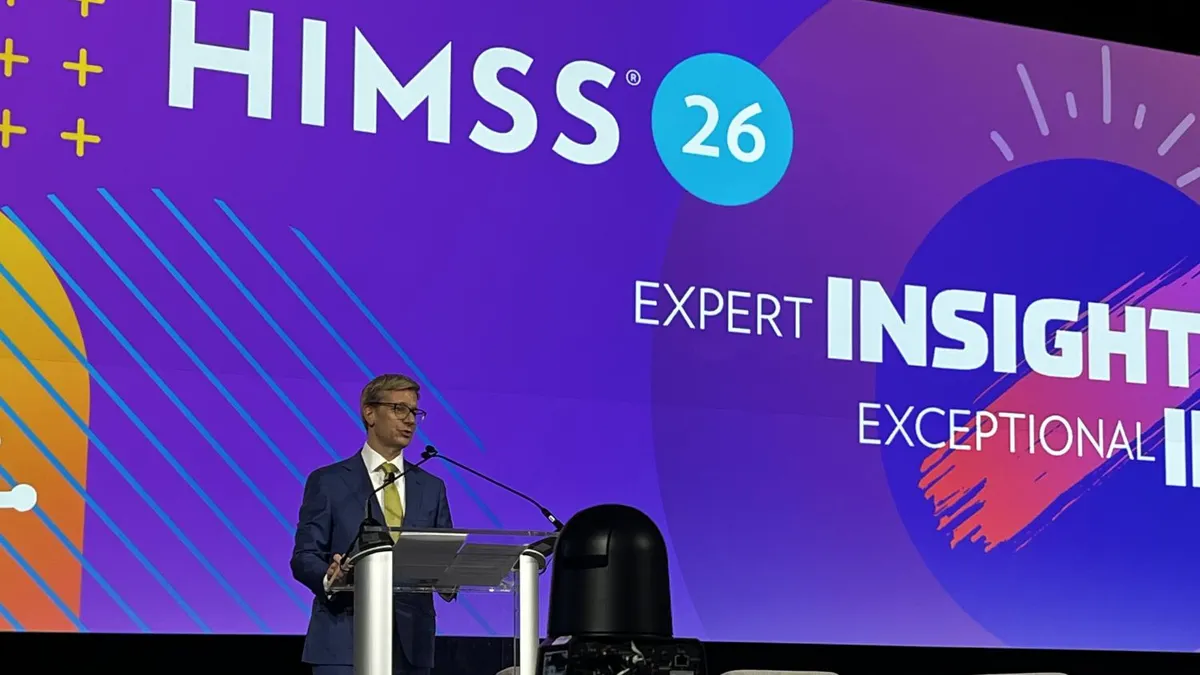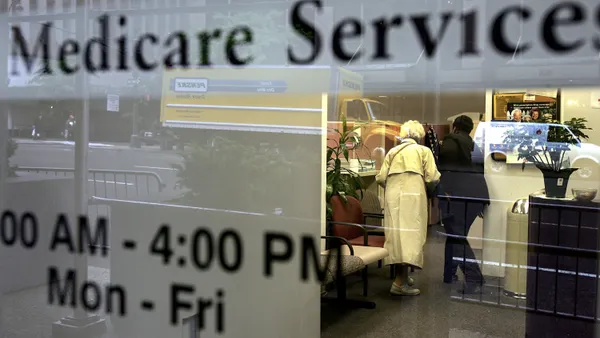
LAS VEGAS — The CMS wants to deploy artificial intelligence tools to Medicare beneficiaries to help navigate their care, CMS officials said at the HIMSS conference Thursday.
The agency is already using the technology to detect fraud. But the CMS also hopes to get the technology into patients’ hands, both to assist seniors and to hopefully bring down rising healthcare spending, which continues to outpace the rest of the economy.
“The fundamental problem right now is that other sectors of the U.S. economy have advanced and been deflationary with their use of technology,” CMS Administrator Dr. Mehmet Oz said during a panel discussion. “Healthcare has remained inflationary.”
The federal government wants to introduce AI agents, or AI systems that can act more autonomously, to Medicare beneficiaries to help them find doctors or choose Medicare Advantage plans, Oz said. That tool should be available “by the time we’re done in this administration,” he said.
The biggest challenge is that Medicare beneficiaries don’t trust AI, Oz noted.
Only 31% of Medicare enrollees aged 65 and older trust AI “a great deal” or “a fair amount” to access medical records and provide personalized health advice, according to a survey published last year by health policy researcher KFF.
“No one has gotten to them with the use case of why it’ll transform their life for the better,” Oz said. “It seems like a tool that we use to market to them, or help hospitals deal with issues, but not necessarily their issues.”
One goal of the CMS’ Health Tech Ecosystem — an initiative launched last year that aims to ease data exchange through partnerships with the private sector and increase availability of digital health tools — is to expand access to conversational AI to help patients navigate care and discuss their health, said Amy Gleason, acting administrator of the U.S. DOGE Service and senior advisor to the CMS, during the panel.
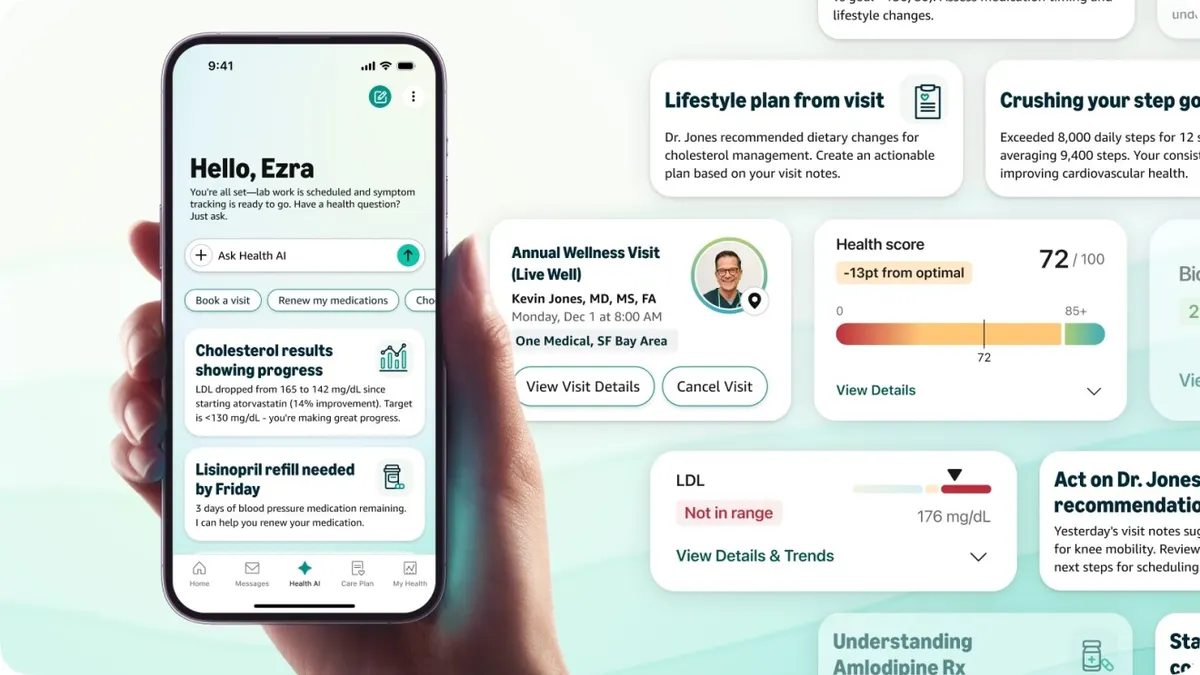
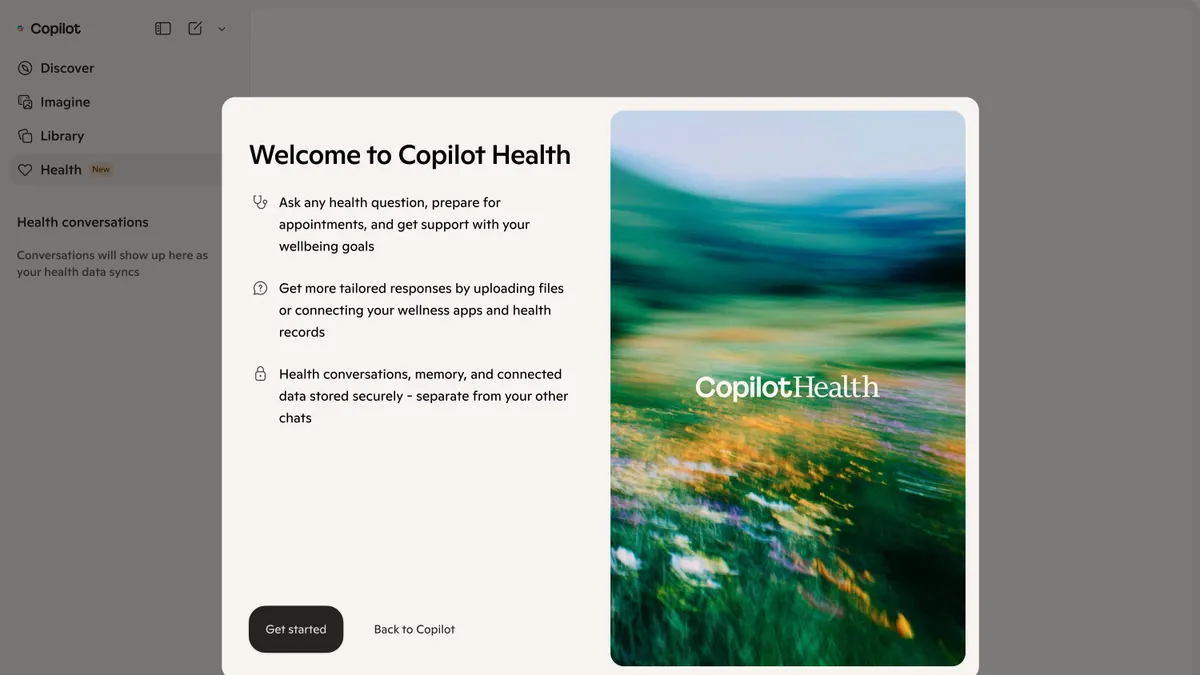
Some companies that have signed onto the Health Tech Ecosystem pledge have begun to release dedicated AI chatbots geared toward health queries, she noted. For example, OpenAI launched its tool in January, and Microsoft announced its Copilot Health assistant this week.
Still, misuse of AI chatbots could be a risk to patients, given the tools can provide false or misleading information, experts say. Research on OpenAI’s consumer health tool published last month found the chatbot often under-triaged cases, failing to send patients to the emergency room for serious health issues like impending respiratory failure.
Hallucinations are a concern, but doctors can also make mistakes, Gleason said.
“The same will happen with AI, and they’re the dumbest today that they’ll ever be,” she said. “So I think we need to embrace this and help people understand how much this can help them.”
The Trump administration has also been using AI in healthcare to help the CMS detect fraud, said Kimberly Brandt, COO and deputy administrator at the agency.
Fraud has become a significant priority for the Trump administration, which last month halted $259 million in Medicaid funds from Minnesota over what it called unsupported and potentially fraudulent claims. The agency is also imposing a six-month moratorium on Medicare enrollment for some suppliers of durable medical equipment, as part of its efforts to crack down on fraud.
The CMS has been using an algorithm trained on previous Medicare providers that the agency has taken enforcement actions against, and tested new providers enrolling in the program against those bad actors, Brandt said.
“We wanted to use AI to really help us be able to find out where the problems are,” she said.