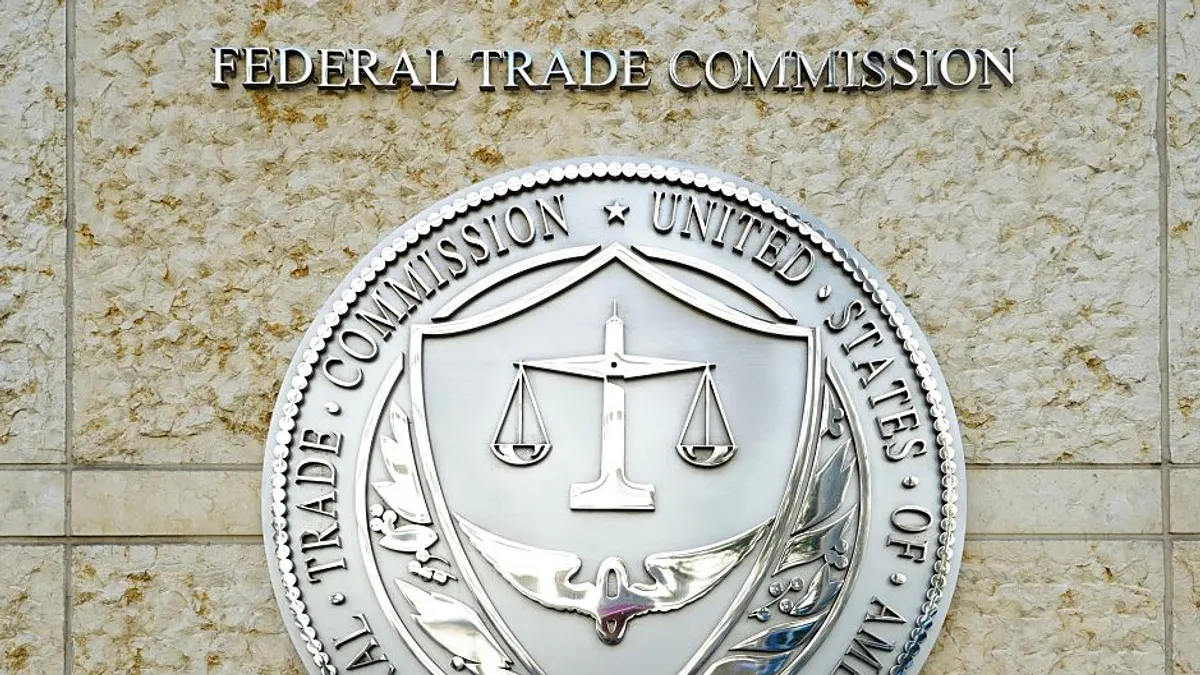
Cigna thinks negative attention on its pharmacy benefit manager Express Scripts is a challenge of the past, after reaching a settlement with the Federal Trade Commission in the agency’s lawsuit against the powerful drug middlemen.
The FTC heralded the settlement announced Wednesday as landmark reform to Express Scripts’ business practices. But many of the reforms were already underway, given the PBM’s ongoing transition to a new rebate-free model, and shouldn’t affect profits, executives assured investors during a Thursday call.
The comments coincided with the release of Cigna’s fourth quarter results, which came in above Wall Street’s expectations and generally looked good, given the intense cost pressure on insurers, analysts said.
Cigna’s fourth quarter “is a fairly clean, low-drama result,” Jefferies analyst David Windley wrote in a Thursday note.
A PBM ‘clearing event’
Cigna posted fourth quarter 2025 results Thursday morning that outperformed analysts’ consensus expectations, with adjusted revenue of $72.5 billion up more than 10% and adjusted operational income of $2.1 billion up 16%.
Cigna Healthcare, the company’s insurance division, saw its revenue drop 16% in the quarter due to the sale of its Medicare Advantage business to Health Care Service Corporation. Cigna Healthcare’s operational income rose 44% year over year, however, after the company jacked up premiums for its stop-loss products after seeing those costs spike in the fourth quarter of 2024.
But the lion’s share of attention on Thursday morning’s call was devoted to Express Scripts, and how the FTC settlement might impact the massive PBM’s profits.
Short answer? It won’t, executives said.
The agreement announced Wednesday ostensibly overhauls how Express Scripts gets paid in its most common offering to employers, by preventing the PBM from being compensated based on the size of savings it’s able to negotiate with drugmakers. Instead, Express Scripts will be paid a core administrative fee per-member per-prescription, delinked from the price of a drug.
That change, along with others in the settlement, combats some of the most-maligned business practices on the part of legacy PBMs, and should save consumers billions of dollars.
But it does so without affecting Express Scripts’ ability to churn out profits, Cigna executives said. That’s because Express Scripts was already aiming to move its employer clients over to a new, rebate-free benefits model that the company announced in October.
“We expect to achieve a comparable level of profitability between the legacy model and the new model, although the source of the profit will evolve,” COO Brian Evanko said during the Thursday call.
Cigna’s fully insured plans will be adopting the new model in 2027, and at least 50% of health services division Evernorth’s clients will adopt it by the end of 2028, according to Evanko.
Meanwhile, the settlement didn’t hit Cigna with any financial penalties, and the company isn’t liable if employers don’t want to adopt the new model. Though Cigna plans to market it with the goal of “aggressive” uptake, overall “we were well positioned to execute on the terms of this settlement,” CEO David Cordani told investors.
Similarly, PBM reform signed into law by President Donald Trump on Tuesday, including new disclosure requirements and delinking compensation from rebates in Medicare Part D, also shouldn’t hit Express Scripts’ bottom line or its ability to bring in new customers, Cordani said.
Cigna executives are hoping they can finally breathe after years of scrutiny from lawmakers and antitrust agencies, which zeroed in on PBM reform as a solution for skyrocketing drug costs. The potential of significant changes has tamped down the stock price of companies that own major PBMs, including Cigna, CVS and UnitedHealth, according to analysts.
“We’ve been saying for some time that the pharmacy services space would go through a clearing event, be it driven by market innovation, legislation or regulation. And when you step back many of those forces converged this week,” Cordani said.
But this week’s outcomes out of Washington appear favorable — at least for Cigna, which no longer has to worry about the FTC hanging over its head like the sword of Damocles.
Congress had debated more drastic reforms, like preventing PBMs from owning pharmacies, that would have annihilated the vertical integration strategy pursued by major healthcare companies over the past decade.
Cigna’s stock dipped slightly yesterday after the FTC announced the settlement, but recovered by the end of Wednesday’s trade and rose an additional 3% Thursday morning after the earnings release.
Cigna’s revenue growth in the fourth quarter was mostly thanks to Evernorth, which includes Express Scripts. Health services divisions have offset cratering insurance profits for many major payers over the past few years, as insurers contend with rising medical costs and healthcare utilization.
Evernorth brought in adjusted revenues of $63.1 billion in the quarter, up 17% year over year, as Express Scripts expanded sales to existing clients and added new business. Meanwhile, Evernorth’s specialty pharmacy division posted strong growth due to higher volumes of complex and pricey drugs.
Evernorth’s adjusted income rose only slightly despite the steep revenue growth, up 2% year over year to $2.2 billion.
Investments in Express Scripts’ new rebate-free model could tamp down on the division’s profits this year, executives said.
Evernorth expects adjusted operational income this year of at least $6.9 billion, down from $7.2 billion in 2025 as the division builds out technology and infrastructure to support the new model.
Meanwhile, Cigna Healthcare expects adjusted operational income of at least $4.5 billion, which would represent 5% growth over the $4.2 billion recorded this year. CFO Ann Dennison noted the company expects medical spending to remain elevated, but that’ll be offset by higher premiums for stop-loss products and the company’s Affordable Care Act plans.
Overall, 2026 financial targets that Cigna released on Thursday were a touch below what analysts expected.
The company expects to bring in adjusted revenues of $280 billion this year, compared to almost $275 billion in 2025. The revenue outlook bucks that of Cigna’s peers. Both UnitedHealth and Elevance expect lower revenue in 2026 than in 2025 as they cut their insurance memberships to try and recoup margins.
Cigna does expect earnings to potentially fall in 2026. The company forecasts adjusted income from operations of at least $7.95 billion, compared to $8 billion in 2025.
Cigna expects to end 2026 with 18.1 million medical members, unchanged compared to 2025.