
Dive Brief:
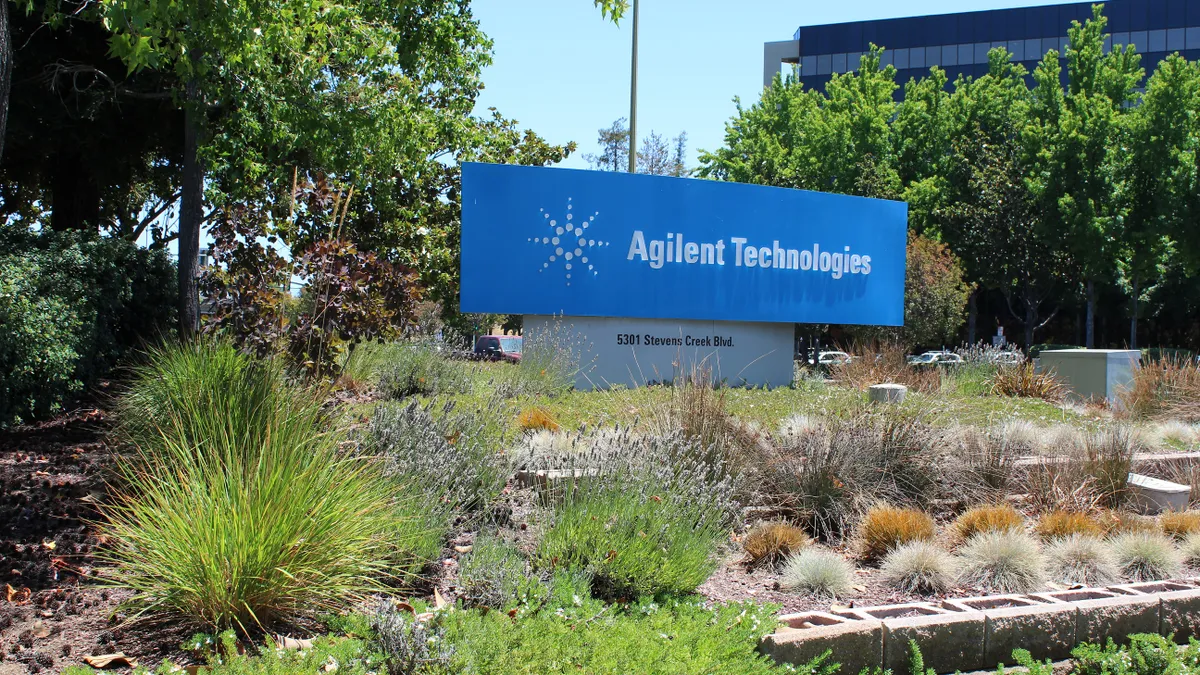
- Agilent Technologies said Monday it agreed to acquire Biocare Medical for $950 million in cash to expand its pathology portfolio.
- Biocare’s antibody, reagent and instrument business complements Agilent’s offerings in clinical and research pathology and includes immunohistochemistry and in situ hybridization, Agilent said.
- Since 2021, Biocare has generated annual double-digit revenue and profit growth. Revenue exceeded $90 million in 2025. The laboratory instruments and services provider is buying Biocare from an investor group led by Excellere Partners and GHO Capital Partners.
Dive Insight:
Biocare has more than 300 specialized antibodies and proven research and development capabilities, according to Agilent. The company’s “robust” growth in immunohistochemistry is expected to strengthen Agilent’s ability to develop and commercialize new in vitro diagnostic antibodies, Agilent said.
Immunohistochemistry is widely used in pathology labs as a cancer diagnostic method, providing information about biomarker expression in tissue samples, while in situ hybridization is used more selectively to evaluate genetic abnormalities to guide diagnosis and treatment decisions.
Biocare’s long-term growth, strategic fit and commercial synergy make the financial returns on the transaction “highly attractive,” Agilent said in a statement.
Combining capabilities in cancer diagnostics will expand Biocare’s operational scale, accelerate innovation and boost service to customers, ultimately benefiting patients, said Biocare CEO Luis de Luzuriaga.
“After years of significant progress, this is the right time to move forward with new ownership aligned with our commitment to product quality, clinical impact and value creation,” de Luzuriaga said.
Biocare will become part of the Agilent Life Sciences and Diagnostics Markets Group. Agilent said the acquisition is expected to be accretive to its top-line growth rate, margin profile and non-instrument revenue mix in the first year. The transaction is expected to become accretive to Agilent’s earnings per share about a year after it closes.
“Together, this complementary combination will enable us to better serve our valued pathology customers across clinical and research settings, accelerate innovation and support long-term value creation for our shareholders,” said Agilent CEO Padraig McDonnell.
The deal is expected to close by no later than Agilent's fourth fiscal quarter of 2026. Agilent’s fiscal year typically ends in late October.