Page 2
-

 Getty Images
Medicare spends more on hospices owned by private equity firms, study finds
Medicare is footing a bigger bill for hospices bought by private equity firms, spending nearly $1,000 more per stay. Researchers said PE firms may be boosting inappropriate admissions to maximize reimbursement.
-
 Getty Images
MultiCare, Samaritan complete merger
The nonprofit health systems officially combined on Sunday following approval from state regulators. Tacoma, Washington-based MultiCare will invest $700 million over the next decade in Samaritan’s facilities and technology.
-
 Getty Images
How should the FDA regulate generative AI in medtech? Here are 5 takes
Patients, providers and medtech firms submitted hundreds of comments to the Food and Drug Administration on how the agency should approach generative AI in medical devices.
-
 Getty Images
Medicare Part D premiums are spiking 50% on average next year, KFF finds
The health policy think tank urged seniors to shop carefully for prescription drug coverage during Medicare open enrollment, given skyrocketing premiums and wide variance in costs between plans.
-
 Getty Images
AI vendors, health systems join physicians in liability for clinical AI: AMA
The AMA's new issue brief assigns distinct responsibilities to physicians, developers and healthcare organizations, arguing that protecting patients requires accountability from all stakeholders.
-
 Getty Images
Judge strikes down CMS ‘medical frailty’ policy for Medicaid work requirements
It’s a victory for more than two dozen states that had sued to block the definition, along with providers, consumer advocates and other critics that had opposed it. The CMS could still appeal the decision.
-

Illustration: Xavier Lalanne-Tauzia for Industry Dive
CHS lowers 2026 earnings forecast on uninsured volumes, surgery snags
The hospital chain slid into red during the third quarter as more uninsured patients previously on Affordable Care Act plans sought out care and others deferred elective surgeries.
-
 Getty Images
US launches program to deliver free cybersecurity help to rural hospitals
Small and rural healthcare organizations are among the most vulnerable critical infrastructure organizations in the nation.
-
 Alexander Farnsworth via Getty Images
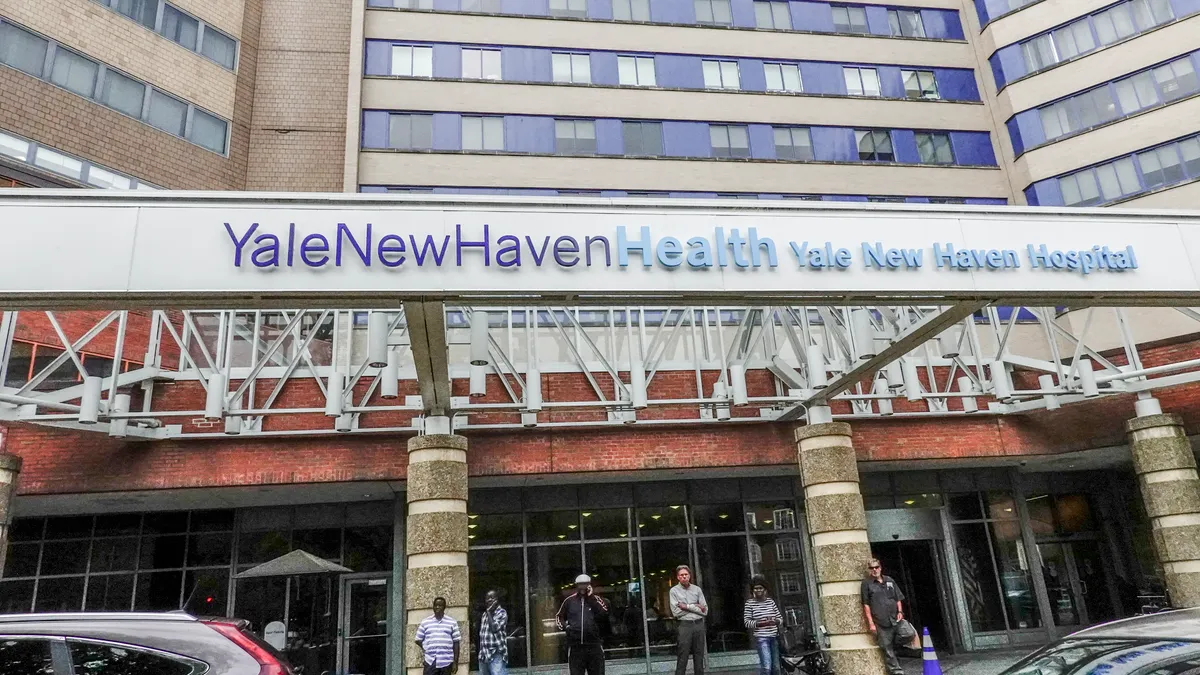
Yale New Haven Hospital can’t ditch lawsuit over age-biased physician test
The discrimination lawsuit, which alleged YNH physicians over 70 years old were subjected to competency tests, was cleared for trial on Friday.
-
 Anna Moneymaker via Getty Images
Labor Department finalizes sweeping PBM disclosure rule
Starting in 2027, the controversial drug middlemen will have to share a broad swath of fee and compensation data with self-funded employer clients. Employers cheered the rule, while PBMs slammed it as government overreach.
-
 Alamy
High-acuity strategy helped Tenet weather surgery, uninsured headwinds in Q3
The health system's push into high-acuity procedures like joint replacements and spinal fusions helped offset declining surgical volumes and payer mix pressures tied to the ACA exchanges.
-
Illustration: Xavier Lalanne-Tauzia for Industry Dive
Softer surgery volumes, hospital woes dampened UHS’ Q3 earnings
An increasing shift toward outpatient surgeries and slower-than-expected ramps to profitability at some of its hospitals dinged Universal Health Services’ earnings in the third quarter.
-
 IPGGutenbergUKLtd via Getty Images
Popular AI models get medication doses wrong, some dangerously: Doximity
Research released by the clinical AI company shows that its dose verification tool outperformed general use AI models, which it says are rife with errors. It’s Doximity’s latest play to stand out as major AI companies forge into healthcare.
-
 Getty Images
CVS sues to prevent $2B Medicare Advantage star ratings hit
It’s at least the fifth insurer to turn to the courts in a bid to hike its ratings for next year. The lawsuits make near-identical legal arguments. But CVS’ is more dramatic in its scope and alleged financial harm.
-
 DNY59 via Getty Images
Insurers, employers urge CMS to pause No Surprises arbiter recertifications
The Coalition Against Surprise Medical Billing and the ERISA Industry Committee are asking the CMS to stop approving arbiters until it implements more rigorous standards.
-
 Alamy
HCA’s bottom line suffers as ACA coverage losses mount
The hospital operator has lost about $950 million in pretax earnings this year as more patients leaving the exchanges jacks up uncompensated care costs and delays elective surgeries.
-
 MF3d via Getty Images
Zocdoc invites AI agents to book appointments on behalf of patients
It’s a “contrarian move” for the company as much of the industry remains wary of agentic AI, according to CEO Dr. Oliver Kharraz.
-
 Samantha Liss/Healthcare Dive
Centene progresses on profit recovery, drops 6,000 employees
After a buoyant third quarter, Centene now thinks its Medicare business will break even one year ahead of schedule. Staffing cuts saddled the insurer with severance spending, but should help margins in 2027.
-
 Getty Images
Bon Secours affiliate makes $5.7B bid for Surgery Partners
HealthSpan, the investment arm of Bon Secours, wants to take Surgery Partners private and absorb its 30-state outpatient footprint.
-
 Alex Wong via Getty Images
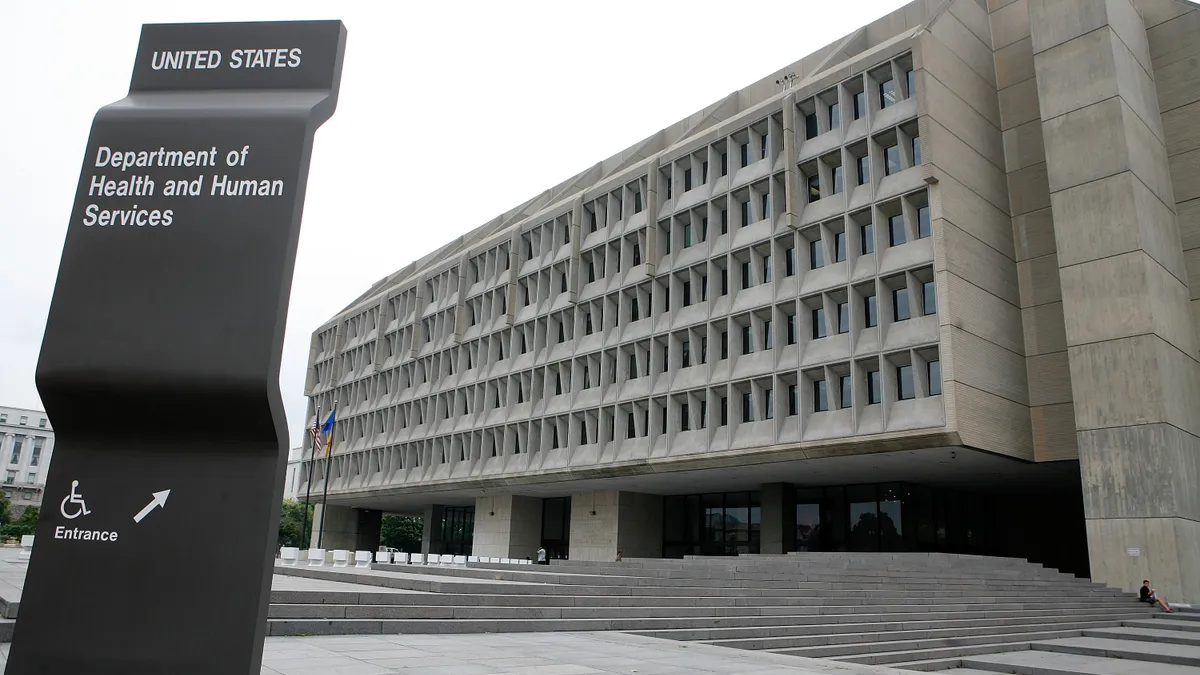
ONC cuts health IT certification criteria in HTI-5 final rule
The regulation cuts 14 criteria and revises seven to make ONC's health IT certification easier to achieve, but delays decisions on information blocking.
-
 AndreyPopov via Getty Images
Q&A
Prior authorization in the real world: Takeaways from Epic ahead of looming API deadline
As a Jan. 1 deadline looms for payers to adopt new prior authorization tech, Epic’s Vice President of Value-Based Care Ryan Bohochik breaks down the industry’s progress so far.
-
 Joe Raedle/Getty Images via Getty Images
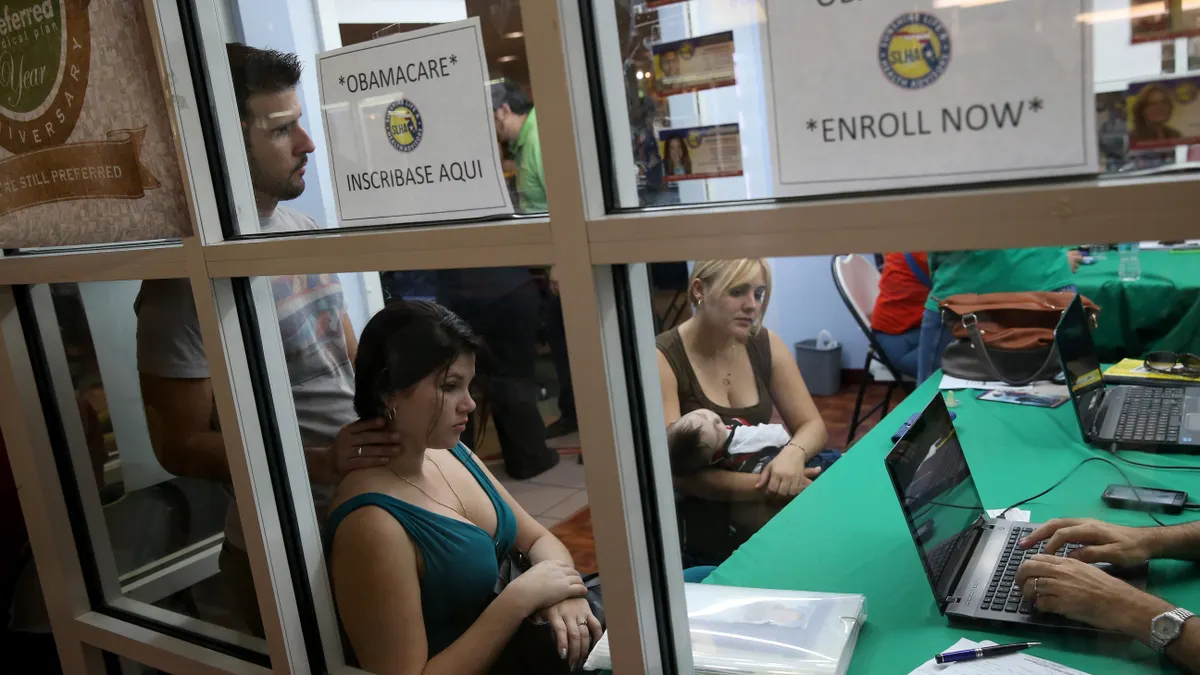
CMS proposes heightened standards for ACA financial assistance
Enrollees must jump through more hoops to verify their income and residency status before receiving subsidies for Affordable Care Act plans. Over 300,000 enrollees are expected to leave each year as a result.
-
 Alamy
Centene sues the CMS over 2027 Medicare Advantage star ratings
The St. Louis-based insurer is adding onto a growing pile of lawsuits from insurers trying to get their quality scores recalculated — and nab hundreds of millions of dollars in extra payments as a result.
-
 Getty Images
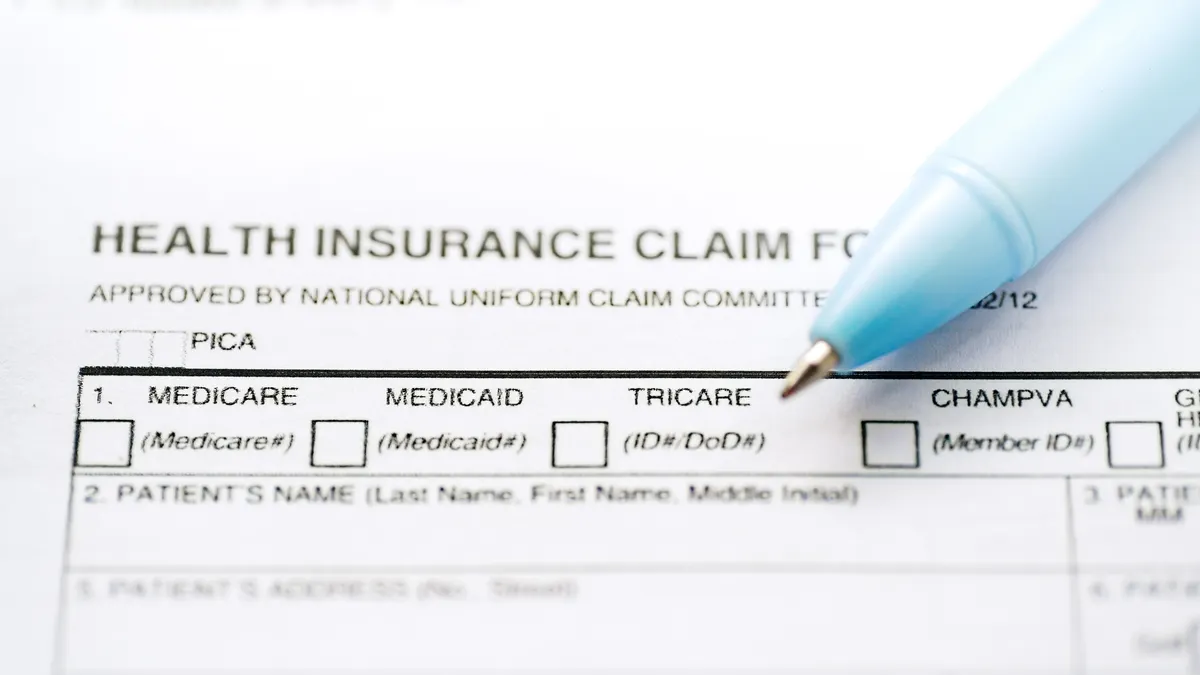
Uninsured rate rises to 11% ahead of Medicaid work requirements
Cuts to federal programs and the loss of enhanced subsidies on the exchanges could deepen an existing healthcare affordability crisis, according to a new report from the Commonwealth Fund.
-
 Getty Images
5 major companies pledge faster, electronic prior authorizations
Amazon, Google, Meta and other employers agreed to reform their prior authorization policies for their self-funded health plans, which provide coverage for millions of Americans.
 Home